
Mark Pressley was selling houses and cars. Mark Taylor was fighting fires in Carmel, Indiana. They had been studying distillation theory together for about a decade — not professionally, just as the kind of obsessive hobby that fills late nights and bonfire conversations. When Pressley retired and approached Taylor about actually doing it, the decision was made the way most good decisions are made between friends: over a drink, with more enthusiasm than planning. They found a lot in Fortville, Indiana, in early 2020, broke ground, survived COVID construction delays, and opened Moon Drops Distillery on West Broadway Street in 2022. That founding story — a real estate guy and a firefighter building a distillery from scratch in a small Indiana town east of Indianapolis — is not the bourbon industry's typical origin myth. There is no family lineage, no inherited recipe, no seventh-generation narrative. There is a friendship, a shared obsession with the science of distilling, and a commitment to using Indiana-grown grain in a state that is still building its identity as a whiskey producer. The name "Moon Drops" is a nod to the moonshiners they felt were "doing it right" — and the tagline "Inspired by the Magic of Shared Experiences" captures the bonfire-conversation origin in a way that feels earned rather than manufactured. The result is a tasting room, production facility, and 2,000-barrel rickhouse on a property that hosts live music on weekends and holds a proud sponsorship with the Indiana Pacers. Within their first year of sales, Moon Drops products reached nearly 300 Indiana retail locations, including Kroger and Meijer stores and over 100 restaurants and bars — a distribution velocity that most craft distilleries take years to achieve.

Moon Drops Distillery is located at 738 West Broadway Street in Fortville, Indiana, a small town about 25 miles northeast of Indianapolis. The 9,000-square-foot main facility houses the distilling operation, a 3,200-square-foot tasting room (renovated in 2022 with stone accents, moody lighting, and speakeasy-style barrel chairs), and a bottling line. A separate rickhouse stores roughly 2,000 barrels of aging bourbon.
Indiana’s craft distilling scene has been growing since the state legislature created a special permit in 2013 allowing spirits makers to sell on-site. Moon Drops is part of that wave, alongside operations like Hard Truth Distilling in Brown County. The Indiana identity matters: in 2021, Indiana Rye Whiskey was legally defined by the legislature (at least 51% rye, distilled at no greater than 160 proof, barreled at no more than 125 proof, and aged at least two years in Indiana). Moon Drops participates in this emerging state identity while focusing primarily on bourbon, vodka, rum, and their signature Bonfire Blend moonshines.
The Fortville location uses locally sourced grain — most ingredients come from Indiana farms within 35 miles of the distillery. Head Distiller Hank Pressley (Mark’s son) manages production. The production areas are not heated or air-conditioned, which means the still house and rickhouse experience the full range of Indiana weather, contributing to the maturation character of the aging bourbon.
Moon Drops uses Indiana-grown corn, barley, and rye. The specific mashbill ratios are proprietary, but the flavor profiles of their bourbon suggest a traditional corn-heavy base with enough rye to deliver spice and enough barley for enzymatic conversion and biscuit-like undertones. The farm-to-glass commitment means the grain is traceable to specific Indiana farms, which gives the distillery control over grain quality and variety that operations sourcing from commodity suppliers cannot match.
The fermentation process is managed by the distilling team with attention to yeast propagation and temperature control. The tasting room and tour materials emphasize fermentation as the “crucial part of production” that determines the aromas and flavors in the final product — suggesting a yeast and fermentation program that the team considers a significant differentiator, even if the specific strains remain proprietary.
The primary still is a copper pot still affectionately called “Big Momma.” Pot stills produce a heavier, more flavor-dense distillate than column stills, retaining more of the congeners and oils that contribute to mouthfeel and complexity. The batch-process nature of pot distillation means each run is individually managed, with the distiller making cuts between heads, hearts, and tails based on sensory evaluation rather than automated systems. The pot-still choice is a deliberate quality decision — it sacrifices efficiency for character, producing less spirit per run but with more of the heavy flavor compounds that barrel aging transforms into complexity.
Moon Drops’ early bourbon releases were sourced from MGP of Indiana (Lawrenceburg), which is standard practice for new distilleries that need product to sell while their own barrels mature. MGP is one of the largest and most respected bourbon and rye producers in the country, so the sourced stock carries genuine production credibility. The roughly 400 barrels of Moon Drops’ own distillate that were aging as of 2024 represent the transition to fully house-made bourbon — made from Indiana grain, fermented with proprietary yeast, distilled through Big Momma, and aged in the Fortville rickhouse. As those barrels reach maturity, the portfolio will shift increasingly toward Fortville-distilled product. This sourcing-to-house transition is the same path that many respected distilleries have followed — the transparency about it matters more than the fact of it.
The 2,000-barrel rickhouse provides aging capacity for the growing inventory. Indiana’s climate delivers hot summers and cold winters that drive the expansion-contraction barrel maturation cycle — not as extreme as Texas, but more variable than Scotland or the Pacific Northwest. The unheated, un-air-conditioned production and storage spaces mean the barrels experience the full Indiana climate without moderation, which produces a maturation profile shaped by genuine seasonal swings rather than controlled warehouse conditions. Pressley has talked about eventually expanding to include outdoor concert venues and expanded hospitality on the property, following a model similar to what Hard Truth Distilling has done in Brown County — turning a distillery into a destination.
The barrel-proof bourbon (around 118-120 proof) and the port-finished expressions (both Ruby and Tawny Port finishes) indicate a barrel program that goes beyond simple aging into active flavor management through cask selection and finishing. The port finishes are applied at the Fortville facility, using the Indiana climate to drive the finishing interaction between spirit and wine-saturated wood. The sherry finish uses a lower bottling proof (100 proof) that makes it more immediately approachable than the cask-strength Port releases.
Mark Pressley is the founder and president. His background is in sales and entrepreneurship, and he brings a business builder’s mentality to the operation — the Indiana Pacers sponsorship, the Meijer and Kroger distribution across Indiana, and the expansion into Michigan and Ohio all reflect a growth orientation that many craft distilleries lack. Mark Taylor is the co-founder and head distiller, bringing the technical distilling knowledge from years of self-directed study and formal training (including Moonshine University in Louisville). Hank Pressley, Mark’s son, serves as head distiller managing daily production. The family structure keeps decision-making tight and aligned with the founders’ vision.
The operation has earned recognition including Triple Gold, Double Gold, Gold, Silver, and Innovation Awards from the MLSA Competition and SIP Awards across multiple products. The tasting room hosts live music every Saturday night and serves cocktails alongside the spirits lineup. Distillery tours run regularly and cover the full production process from grain to barrel.
Barrel Proof Bourbon — 118-120 proof, aged a minimum of five years. Bold, uncut, and full-flavored. Caramel, vanilla, cocoa, and a smoky body with rye spice and nut notes on the finish. This is the statement bottle — high proof, extended aging, and no dilution. Add water if needed, but try it full-strength first to taste the complete distillate. The five-year minimum aging is notably patient for a craft distillery that only opened in 2022, which tells you the bourbon was distilled or sourced well before the doors opened. The MGP-sourced stock that forms the current barrel-proof offering carries the weight and complexity that the Lawrenceburg facility is known for.
Ruby Port Finished Bourbon — ~118 proof. Bourbon rested in Ruby Port casks. Berries, toasted oak, cherries, honey, and toffee with the fruit balancing the proof heat. Ruby Port is the young, fruity member of the port family, and its influence here adds brightness and berry sweetness that cuts through the barrel-proof intensity. A solid bridge for wine drinkers transitioning to bourbon, and a strong cocktail base for creative bartenders.
Tawny Port Finished Bourbon — ~119 proof. Deeper and nuttier than the Ruby finish, reflecting the longer aging that defines Tawny Port itself. Maple, mulled cider, blackberries, and a velvety sweetness that evolves in the glass over 15-20 minutes. Complex and intense — a sipping whiskey, not a casual pour. The Tawny influence adds dried fruit and walnut notes that the Ruby finish does not reach.
Sherry Finished Bourbon — 100 proof. Dried fruit, dark chocolate, and toasted walnut in a more approachable package. The lower proof makes this the most immediately drinkable of the finished expressions and a good entry point if the 118+ proof Port finishes are intimidating. The sherry cask adds a Mediterranean warmth and nutty sweetness that complements the base bourbon without overwhelming it.
Single Barrel Bourbon — 100 proof. The purest expression of the house distillate without finishing cask influence. Rich oak, brown sugar, and caramel. Each barrel varies based on its specific position and aging conditions, so each bottle is a unique snapshot of the production at a specific moment. This is where you taste the distillery’s base character without the finishing cask providing supplemental flavor.
Bonfire Blend Moonshines — The product line that launched the brand. Indiana corn whiskey blended with vodka and rum, then flavored: Lemon Shake-Up, Apple Pie, Pink Peppermint, Orange Dreamsicle. Fun, accessible, and seasonal. These sell fast at Kroger and Meijer locations across Indiana, Michigan, and Ohio.
Moon Drops is not distributed nationally. Finding their bourbon requires visiting Fortville, shopping Indiana retailers, or checking the growing Michigan and Ohio footprint. For a distillery that is still transitioning from sourced to house-made bourbon, the current bottles represent a snapshot of where the operation is right now — and the 2,000 barrels aging in the rickhouse represent where it is going.
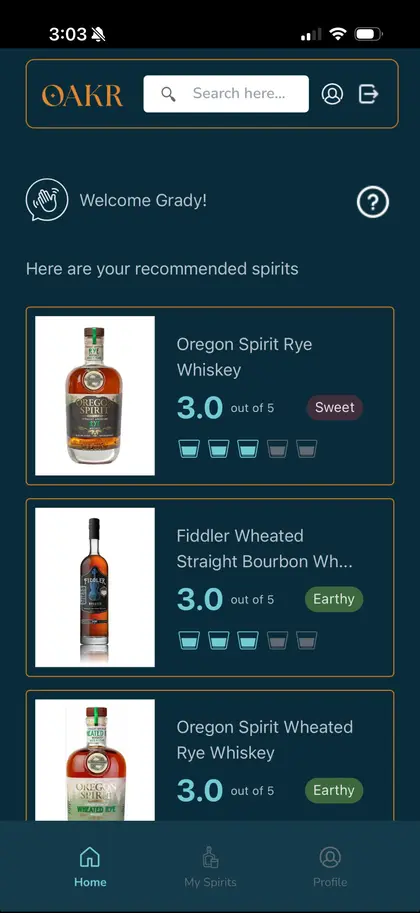
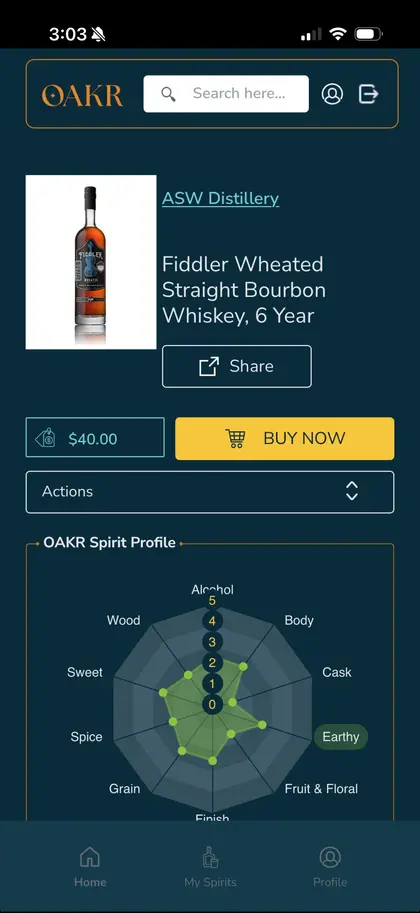
OAKR’s discovery tools are built for distilleries exactly like this — small enough that you might never encounter them without a data-driven recommendation, distinctive enough that finding them feels like a discovery rather than a default. The Spirit Match score tells you whether Moon Drops’ barrel-proof, port-finished, Indiana-grain profile aligns with your palate before you make the drive to Fortville or order online. For a distillery this young and this local, the data is the introduction.
[Download OAKR free on iOS, Android, or web →]

Bourbon enthusiast, spirits industry analyst, and the voice behind OAKR's distillery guides, brand reviews, and bourbon education content. Visiting distilleries, dissecting mashbills, and translating the craft into data since 2024.
Moon Drops’ port-finished bourbons offer something different from the Kentucky mainstream. Your Spirit Match tells you if it fits your palate.