
Two barrels per day. That is what Limestone Branch Distillery produces — two barrels of bourbon daily from a 150-gallon copper pot still in Lebanon, Kentucky. For context, the big Kentucky operations fill hundreds or thousands of barrels per day. The number matters because it defines every constraint and every advantage this distillery has: the hands-on distillation cuts, the heirloom corn they can source at small scale, the resurrected yeast strain that would never survive an industrial fermentation schedule, and the Yellowstone label that went from a historic footnote to Whisky Advocate's Top 20 Whiskies of the Year in 2025. The numbers behind the name are just as specific. Seventh-generation distillers. An 1872 bourbon label. A mashbill from the Beam family archives. A yeast strain cloned from a museum jug that sat empty for decades. These are not marketing adjectives — they are data points, and they trace a direct line from the Beam and Dant distilling dynasties through Prohibition, brand dormancy, and into a craft revival that is now part of MGP Ingredients' Branded Spirits portfolio alongside Lux Row, Rebel, and Ezra Brooks.

Limestone Branch Distillery sits at 1280 Veterans Memorial Highway in Lebanon, Kentucky, in the heart of Marion County between Maker’s Mark and the Kentucky Cooperage. Stephen and Paul Beam — descendants of both Jacob Beam (the Jim Beam lineage) and Joseph Washington Dant (another foundational Kentucky distilling family) — opened the distillery in 2011.
The founding mission was specific: resurrect the Yellowstone bourbon label, which had been created in 1872 to honor America’s first national park and had fallen into obscurity. Stephen Beam wanted to honor their grandfather, Minor Case Beam, and their great-grandfather, J.W. Dant, by returning to pre-Prohibition production methods at a scale small enough to do them properly.
Lebanon sits on a massive limestone shelf. The water is rich in calcium and magnesium but iron-free — the limestone acts as a natural filter that strips out iron (which makes whiskey taste bitter) while adding minerals that feed yeast during fermentation. The Kentucky climate provides the hot, humid summers and cold winters that drive aggressive barrel maturation through seasonal wood expansion and contraction. The distillery produces about two barrels per day, and since 2021 has operated as part of Luxco/MGP Ingredients’ Branded Spirits division, giving it distribution muscle while maintaining craft-scale production.
The flagship mashbill, pulled from the Beam family archives, calls for 75% corn, 13% rye, and 12% malted barley. The corn is not commodity yellow dent — Limestone Branch uses an heirloom white corn variety called “Trucker’s Favorite 1899.” White corn produces a lighter, sweeter, more delicate distillate compared to standard yellow corn, providing a cleaner canvas for the rye spice and barley nuttiness to come through.
The 13% rye injects a peppery kick that keeps the bourbon from reading as one-dimensionally sweet. The 12% malted barley handles enzymatic starch-to-sugar conversion while adding a biscuit-like undertone that shows up most clearly in the Yellowstone Family Recipe bottling.
The cooking process is deliberately old-fashioned. Instead of pressure cooking the grains (fast, efficient, standard at large operations), Limestone Branch uses an open cook method. Corn goes into the mash tun with water at over 200 degrees to break down starches. The mash must cool before rye is added — boiling rye turns it gummy and produces off-flavors. Then it cools again before malted barley goes in, because high heat kills the enzymes the barley needs for fermentation. This three-stage temperature cook is a logistical headache compared to pressure cooking, but it preserves grain flavors that high-pressure methods destroy. The result is a sweeter, more grain-forward profile — you taste the corn and the rye as distinct ingredients rather than as a homogenized mash.
The yeast is the most distinctive element in the entire operation. Stephen Beam took his great-grandfather Minor Case Beam’s yeast jug — a ceramic vessel that had sat empty in a museum for decades — to Ferm Solutions in Danville, Kentucky. Scientists swabbed the interior, extracted viable DNA from dormant yeast cells, and through a process that cost more than most people’s cars, resurrected the original yeast strain Minor Case Beam used before Prohibition. This is not a “similar” strain or an approximation; it is a clone of the original ancestor. The proprietary yeast produces a clean spirit with specific fruity notes — dark fruit, cherry, and nuttiness — that literally did not exist in the modern bourbon market until Limestone Branch brought this organism back to life. The flavor difference between this yeast and a standard catalog strain is immediately apparent in the Yellowstone Family Recipe bottling.
The distillery runs a 150-gallon copper pot still. Pot stills are batch-process equipment — fill, run, clean, repeat — that leave more oils and congeners in the distillate than continuous column stills. The result is a heavier, more viscous mouthfeel that you can feel on the tongue as a coating rather than a quick evaporation. The small scale means the distillers make physical cuts during every run, deciding by taste and experience which portion of the spirit run becomes whiskey and which gets discarded. This is where the craft distinction is most real — at a large operation, those cuts are largely automated. At Limestone Branch, a human is making the call on every batch.
The operation runs the still continuously but at craft scale, producing those two barrels per day. Lead Distiller Eric Downs works alongside Stephen Beam with a hands-on approach to temperature control, grain preparation, and yeast propagation that larger operations automate. The hybrid philosophy — continuous operation at small scale with manual decision-making — produces a spirit with the clean consistency of a well-managed operation and the character of a pot-still craft distillery. When Limestone Branch says “small batch,” they mean it in the literal, production-capacity sense, not as a marketing label applied to a 5,000-barrel run.
Distillate goes into new charred American white oak barrels, as required by law for bourbon. The Lebanon location on the limestone shelf provides the climate-driven maturation cycle that defines Kentucky bourbon — summer heat pushing spirit into charred staves, winter cold pulling it back out with extracted vanilla, caramel, and spice. The specific humidity and airflow in Marion County contribute to evaporation rates that are neither as aggressive as Texas nor as gentle as Scotland. The younger expressions benefit from Lebanon’s aggressive seasonal temperature swings, which can make a four-year bourbon taste older than its age statement suggests. The quality of the distillate going into the barrel — pot-stilled, open-cooked, fermented with the resurrected yeast — determines what comes out. A well-made spirit extracts complex, layered flavors from the wood; a poorly made one produces boozy oak water regardless of how long it sits. The Yellowstone Recollection Bourbon, released in February 2026, is aged eight years at 110 proof, non-chill filtered — showing what happens when the pot-still distillate and resurrected yeast get extended time in wood. At eight years in a Kentucky barrel, the spirit has been through eight full summer-winter maturation cycles, and the non-chill filtering preserves the oils and texture that filtration would strip.
Stephen Beam is the Master Distiller and co-founder. As a seventh-generation distiller descended from both the Beam and Dant families, his credentials are genetic as much as they are professional. His decision to resurrect the Yellowstone label was personal — it was about honoring Minor Case Beam and J.W. Dant by returning to the production methods they used before Prohibition. The yeast jug, the heirloom corn, the open cook method — each decision traces back to what the family was doing before industrialization changed the bourbon industry. Paul Beam co-founded the distillery with Stephen and handles complementary business functions. Eric Downs serves as Lead Distiller, managing daily production with the meticulous attention that a two-barrel-per-day operation demands.
Since the Luxco/MGP acquisition in 2021, the distillery has maintained its craft identity and production methods while gaining distribution muscle. Yellowstone is now available in significantly more markets than the pre-acquisition footprint allowed, and the partnership has enabled larger sourced-whiskey blends for the Select expression alongside the house-distilled production. The Yellowstone brand has also donated over $1 million to the National Parks Conservation Association since 2018, and beginning in 2026 is supporting the Vital Ground Foundation to protect grizzly bear habitat — a conservation thread that connects the brand’s national park namesake to tangible environmental action.
Yellowstone Select Bourbon — The flagship that pays the bills. A blend combining Limestone Branch’s own distillate with hand-selected sourced barrels, creating a consistent profile that leverages both their craft character and the depth of aged sourced stock. The high-rye mashbill delivers spicy rye up front, fading into smoked caramel and soft fruit. Complex without being challenging. Works neat, on ice, or in a cocktail. This is the entry point and the most widely available expression. The sourced component gives it a maturity that the distillery’s own young production cannot yet match at volume, while the house distillate adds the heirloom corn sweetness and resurrected yeast character.
Yellowstone Family Recipe — 100 proof. The pure expression of the Limestone Branch mashbill and resurrected yeast. Toasted caramel, candied nuts, citrus, and a marzipan note from the malted barley and cloned yeast working together. This bottling shows what the house style tastes like without sourced whiskey in the blend.
Yellowstone Recollection Bourbon — 110 proof, 8 years, non-chill filtered. Released February 2026 in an ornate decanter inspired by the brand’s 1800s back-bar bottles. Bold, balanced, and the fullest expression of what extended aging does to their pot-still distillate.
Yellowstone Limited Edition — Annual collector’s release. Each year features a different blend or finishing technique, often experimental. Previous releases have earned significant industry recognition, including Double Platinum at the 2025 ASCOT Awards.
Minor Case Rye — Rye whiskey finished in cream sherry casks. Named for Minor Case Beam, whose yeast jug started the whole resurrection project. Dried fruit, honey, and gentle spice in a profile that is sweeter and rounder than most ryes. The sherry cask finishing adds a dessert-like quality — the residual sweetness from the sherry wood softens the typical rye bite and adds notes of raisin and toasted almond. A strong entry point for drinkers who find standard rye too aggressive, and a nod to the pre-Prohibition styles that Minor Case Beam himself would have produced.
Yellowstone Hand Picked Collection — Single barrel selections, often chosen by retailers or the distillery team, bottled at barrel strength. Each barrel is unique — one might lean into vanilla and toasted cherry, the next into heavy oak and black pepper. These are the unfiltered, undiluted expressions that show the full range of what the pot still, heirloom corn, and resurrected yeast can produce in a single cask. If you see a store pick, grab it.
Bowling & Burch Gin — Made with botanicals grown on-site at the distillery. Floral, citrus-forward, and genuinely good. An unexpected offering on the Kentucky Bourbon Trail that demonstrates the team’s fermentation and distillation range.
Limestone Branch produces two barrels a day with a resurrected yeast strain, heirloom white corn, and a 150-gallon pot still. That production reality means shelf availability is uneven — you will find Yellowstone Select in many markets, but the limited editions and single barrels require effort. Whether a bottle is worth the hunt depends on whether the flavor profile matches your palate, not on how good the lineage story sounds.
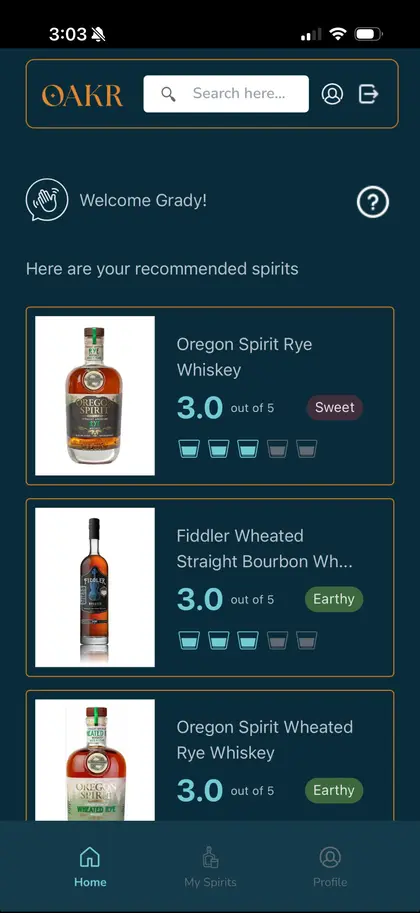
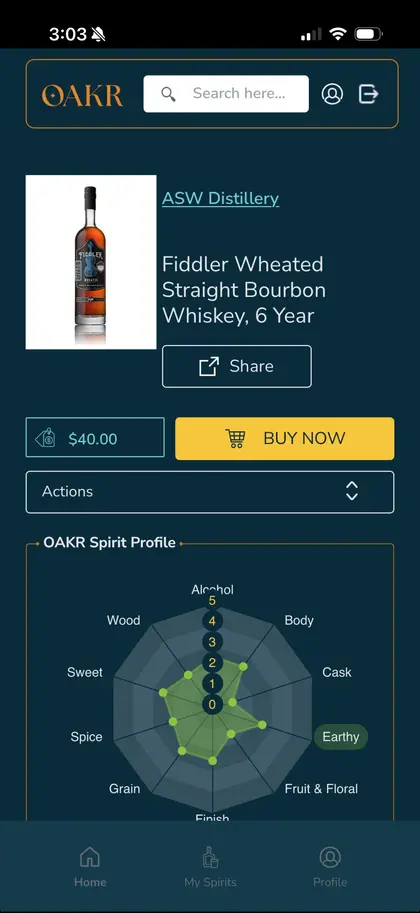
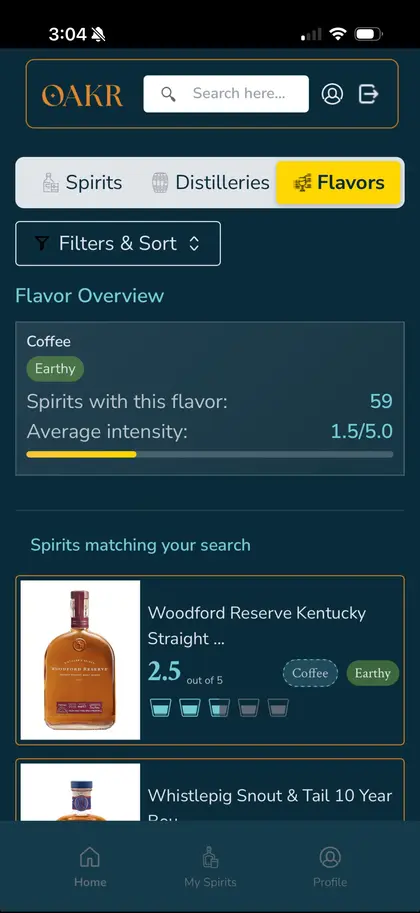
OAKR’s blind tasting panel has scored Yellowstone’s lineup, and the Hunt Tracker shows real-time shelf availability in your area. Before you drive to Lebanon or pay secondary prices, check your Spirit Match score against the Yellowstone expressions. The data tells you whether this particular combination of heirloom corn, zombie yeast, and pot-still distillation lands in your flavor zone — and if it does, the Hunt Tracker shortens the search.
[Download OAKR free on iOS, Android, or web →]

Bourbon enthusiast, spirits industry analyst, and the voice behind OAKR's distillery guides, brand reviews, and bourbon education content. Visiting distilleries, dissecting mashbills, and translating the craft into data since 2024.
Resurrected yeast, heirloom corn, two barrels a day. Your Spirit Match score tells you if Yellowstone’s flavor profile is worth the hunt.