
The Willett Pot Still Reserve sits on the shelf in a bottle shaped like a copper pot still. It costs about $40. It is a wheated bourbon — 65% corn, 20% wheat, 15% malted barley — bottled at 94 proof, aged a minimum of four years in #4 char American oak. It is approachable, floral, and creamy, with lemon poppyseed cake and vanilla bean on the palate. It is, by design, the friendliest thing Willett makes. Now compare it to a Willett Family Estate Bottled Rye — the green-top single barrel that bourbon hunters camp out for. That bottle is cask strength, often north of 110 proof, aged anywhere from four to twenty-plus years, and carries a flavor profile that the internet has named "the Willett funk": herbal tea, dill, cinnamon red hots, mint, and a floral quality that polarizes drinkers completely. One person calls it the best rye whiskey in America. The next person says it tastes like someone steeped a pinecone in bourbon. Both bottles come from the same hilltop distillery in Bardstown, Kentucky. The gap between them tells you everything about what Willett actually is: a family operation that refuses to make one thing and make it boring.

Willett Distillery sits at 1869 Loretto Road in Bardstown — the self-proclaimed Bourbon Capital of the World — on a hilltop estate overlooking Nelson County. The property reads as a family compound, not a corporate visitor center. Thompson Willett founded the distillery in 1936, three years after Prohibition ended, and produced the first batch on St. Patrick’s Day, 1937. The family had been in Kentucky since the 1600s, with distilling roots stretching back to John David Willett, who served as master distiller for the Moore, Willett & Frenke Distillery in the 1800s. Thompson used John David’s bourbon recipes as the foundation for the Old Bardstown brand.
The distillery sits atop a limestone shelf — the same geological formation that gives Kentucky bourbon country its famous iron-free, calcium-rich water. Spring-fed lakes on the Willett property provide the water directly. The rickhouses are positioned across the hilltop to exploit Kentucky’s seasonal temperature extremes: sweltering summers force bourbon deep into the barrel staves, extracting oak, vanilla, and caramel compounds; cold winters pull the liquid back, concentrating flavor. The eight warehouses on-site each hold 5,000 to 6,000 barrels — roughly a quarter the size of warehouses at major distilleries — which gives the team more control over aging conditions.
The critical chapter in Willett’s history is the dormant period. In the early 1980s, when bourbon demand collapsed during the vodka era, Willett stopped distilling. Rather than selling the property, the family — led by Even Kulsveen, a Norwegian immigrant who married into the Willett family — pivoted to independent bottling under the name Kentucky Bourbon Distillers (KBD). For decades, they sourced exceptional barrels from other Kentucky distilleries and released them under brands like Noah’s Mill, Rowan’s Creek, Johnny Drum, and Pure Kentucky. They became one of the most respected barrel selectors in the industry. That sourcing expertise — the ability to identify great barrels — is what built the Willett reputation before a single drop of their own distillate existed.
In 2012, the family fired up the stills again. Drew Kulsveen, Thompson Willett’s grandson, installed new equipment from Vendome Copper & Brass Works and began producing Willett’s own whiskey for the first time in nearly three decades. In December 2022, the company announced a $93 million investment to build new warehouses and production facilities in Springfield, Kentucky. In June 2025, Willett entered its first long-term brand partnership with Binder’s Stash.
Willett operates with multiple mashbills — an unusually large number for a distillery this size. The Pot Still Reserve is a wheated bourbon (65% corn, 20% wheat, 15% malted barley). Other bourbon expressions use high-rye recipes. The Family Estate ryes lean heavily on rye grain, producing the spicy, herbal, oily profile that defines the “Willett funk.”
The yeast program is a genuine differentiator. Willett cultivates proprietary yeast strains that emphasize ester production — the fruity, floral, and herbal congeners that show up as apple, pear, mint, and tea in the finished whiskey. These strains are not generic commercial distiller’s yeast bred for efficiency. They are flavor-first strains that produce the distinctive character Willett drinkers either love intensely or find challenging.
The fermentation program runs long enough to stress the yeast into producing heavier, more complex esters. A shorter fermentation yields a cleaner, simpler spirit. Willett’s approach builds texture — a spirit that coats the tongue with an oily mouthfeel rather than washing away.
Willett runs three stills: a 19-inch Vendome column still, a doubler, and a copper pot still. The column still handles the stripping run — separating alcohol from the fermented mash. The pot still handles the spirit run, retaining more of the heavy oils and congeners that give Willett’s distillate its signature weight and funk.
This hybrid approach — column for efficiency, pot for character — is the mechanical explanation for the Willett flavor profile. The pot still leaves behind the oily, herbal, sometimes floral compounds that a pure column-still operation would strip out. Master Distiller Drew Kulsveen makes cuts by hand, deciding where the desirable hearts end and the less desirable tails begin. The cuts tend to favor flavor over yield — accepting a smaller volume of more characterful spirit rather than maximizing output. This hands-on distillation approach is central to the Willett identity.
The distillery also operates as a contract bottler for other brands, many of which use fictitious business names on their labels (Old Bardstown Distilling Company for Old Bardstown bourbon, Noah’s Mill Distilling Company for Noah’s Mill, etc.). This bottling operation runs alongside Willett’s own production.
Willett uses new charred American oak barrels, often at a #4 “alligator” char level. The heavy char creates a thick layer of activated carbon that filters harsh compounds and caramelizes the wood sugars — laying the foundation for the deep caramel, toffee, and dark chocolate notes that characterize Willett’s aged expressions.
The eight rickhouses on the hilltop estate age bourbon in a range of microclimates. Top-floor barrels bake in summer heat, producing faster-aged, more oak-forward, higher-proof bourbon. Bottom-floor barrels age more slowly, developing softer, more nuanced profiles. The blending team uses this floor-level variation to construct each expression’s character — pulling bold top-floor barrels and gentle bottom-floor barrels to build complexity in the blended releases, and selecting standout individual casks for the Family Estate single-barrel program.
Willett has bottled whiskeys ranging from two years to 28 years of aging maturity. The older expressions — particularly the vintage bourbon and rye releases at 17, 21, and 23 years — represent some of the most sought-after bottles in American whiskey.
Drew Kulsveen is the Master Distiller and the driving force behind Willett’s modern era. He is a fifth-generation distiller who learned by doing, not by attending distilling school. His father, Even Kulsveen, kept the distillery alive through the dormant decades by pivoting to independent bottling — a decision that preserved the brand and built the barrel-selection expertise that Willett is now applying to its own production. The operation remains entirely family-owned and family-operated. Tours are capped at 14 guests. The Bar at Willett — one of the hardest reservations on the Bourbon Trail — serves cocktails built around the full Willett portfolio.
Willett Pot Still Reserve — 65/20/15 wheated mashbill, 94 proof, minimum 4 years aged. The flagship and the most accessible Willett expression. The bottle shaped like a pot still is instantly recognizable. Floral, creamy, with vanilla bean, lemon cake, and caramel. A solid entry point that does not prepare you for the intensity of the rest of the lineup.
Old Bardstown Estate Bottled — 101 proof (50.5% ABV). The original Willett brand, first distilled in 1937. A more robust bourbon than the Pot Still Reserve, with deeper oak and spice notes.
Rowan’s Creek — Small batch, 100.1 proof. Named after a stream on the property. More spice and complexity than the Pot Still Reserve. A classic bourbon profile with a bit of edge.
Noah’s Mill — Small batch, 114.3 proof. The heavyweight. Rich, complex, powerful. Formerly carried a 15-year age statement; now a blend of various ages. Dark fruit, leather, tobacco, and significant oak influence.
Willett Family Estate Bottled Bourbon & Rye — Single barrel, cask strength, various ages. The purple-top bourbon and green-top rye are the bottles that bourbon hunters chase. Each barrel is unique — no two taste alike. The rye expressions, in particular, carry the “Willett funk” that has achieved cult status. Finding one at retail price is a genuine hunt.
Willett Bottled-in-Bond — 100 proof, minimum 4 years aged. A straightforward BiB expression that showcases the current distillate without the variability of single-barrel releases.
Willett’s single-barrel Family Estate releases are among the most allocated bottles in American whiskey. The green-top rye, in particular, commands secondary market prices that are multiples of the retail price. If you are spending time and money tracking down a specific barrel, knowing whether the Willett flavor profile — the herbal funk, the pot-still oiliness, the proprietary yeast character — is something your palate actually wants saves both the money and the frustration of hunting the wrong bottle.
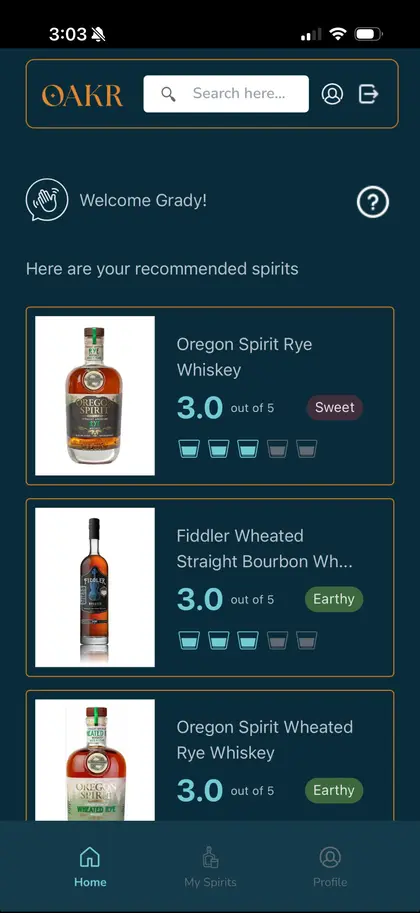
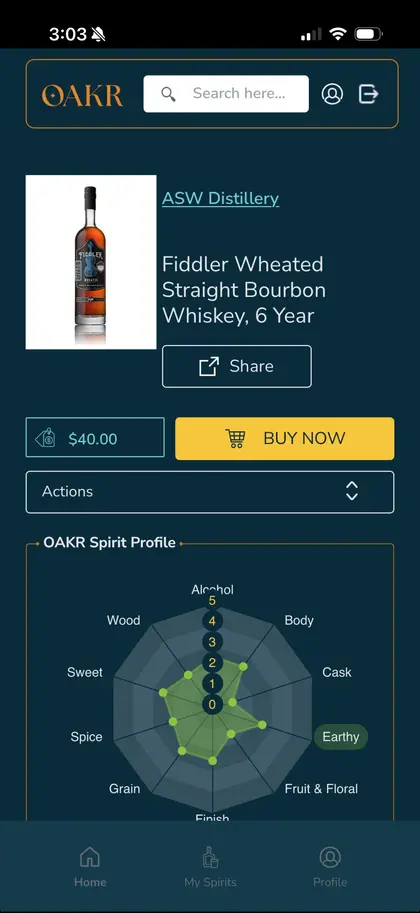
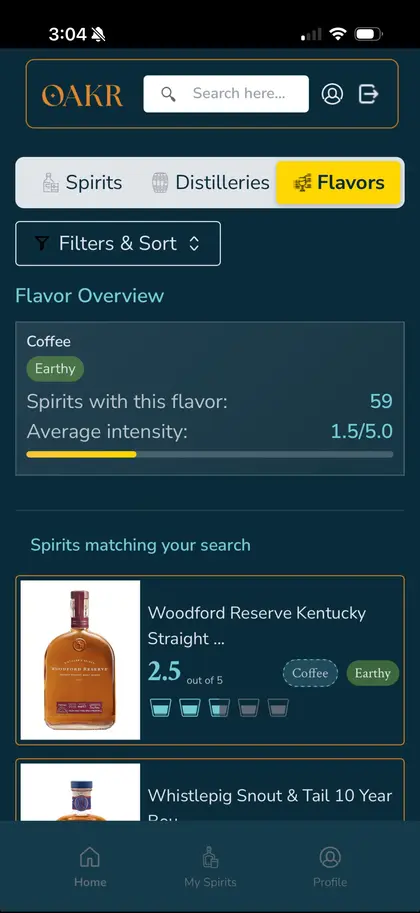
OAKR’s blind tasting panel evaluates Willett’s expressions without knowing what is in the glass. The panel scores across 100+ flavor notes in 10 macro categories, capturing the yeast-driven funk, the pot-still texture, and the barrel-char influence independently. Explore Willett Distillery on OAKR to find your Spirit Match score and see whether the Willett architecture — wheated softness in the Pot Still Reserve, aggressive rye spice in the Family Estate, high-proof power in Noah’s Mill — aligns with what your palate prefers.
[Download OAKR free on iOS, Android, or web →]

Bourbon enthusiast, spirits industry analyst, and the voice behind OAKR's distillery guides, brand reviews, and bourbon education content. Visiting distilleries, dissecting mashbills, and translating the craft into data since 2024.
Willett’s pot-still oiliness and proprietary yeast character — the famous “Willett funk” — is something you either love or find challenging. Before you hunt a $200 Family Estate bottle, let OAKR’s blind tasting data tell you if the Willett architecture fits your palate.