
In 2015, three Austin families made a decision that shaped everything that followed: they would never source whiskey from another distillery. Not to fill the gap while their own bourbon aged. Not to supplement inventory during growth years. Not at all. Every drop of Still Austin whiskey would be distilled, aged, and bottled at their facility on East St. Elmo Road in South Austin. That commitment meant years of waiting — the first flagship bourbon did not release until 2020 — but it also meant that when The Musician Straight Bourbon finally reached shelves, every aspect of the liquid was theirs. The grain was Texas-grown. The fermentation, distillation, barreling, and bottling happened in-house. The result was a bourbon that tasted like a specific place, not a generic category. That decision has paid off. In 2025, Still Austin shipped over 100,000 cases and depleted nearly the same number — a 45% year-over-year increase in case depletions. Nielsen data ranked them the ninth highest-velocity premium American whiskey brand in the country by average revenue per retail store. For the 2025 release of their Tanager Cigar Blend, nearly 1,000 people camped overnight outside the distillery, with fans flying in from 16 states and three countries. At year-end 2025, the company held more than 20,200 barrels in storage — all produced in-house.

Still Austin Whiskey Co. operates out of a repurposed warehouse at 440 East St. Elmo Road in South Austin. The distillery was founded in 2015 by Chris Seals (CEO), along with two other Austin families who shared a vision for a true grain-to-glass operation. Distilling began in 2017. The first bourbon release came in 2020. The name reflects the founders’ intent: a distillery that is still Austin — rooted in the city’s creative, independent, slightly contrarian identity.
The Austin location is not incidental to the bourbon’s character. Texas weather is extreme — brutally hot summers, mild winters, and dramatic barometric pressure swings. This climate accelerates barrel aging significantly compared to Kentucky. The spirit is pushed deep into the wood staves during the heat and pulled back out during cooler stretches, extracting color and flavor at a pace that makes a two-year-old Texas bourbon taste more developed than its age would suggest in a more temperate climate.
The flagship mashbill is 70% non-GMO white corn, 25% Elbon rye, and 5% wildfire malted barley. All grains are 100% Texas-grown, sourced from local farmers. The white corn is the same variety used in Austin’s tortilla production — sweeter, softer, and creamier than the yellow dent corn used in most bourbon. The 25% rye provides a spice backbone that keeps the bourbon from tipping into one-dimensional sweetness.
Still Austin has also experimented with heritage corn varieties in their Bottled-in-Bond seasonal series. Jimmy Red corn — an heirloom variety nearly extinct until moonshiners preserved it — produces a nutty, oily, rich distillate. Blue corn brings earthy, savory fruit character. The 100% Brasetto rye used in their Artist Straight Rye Whiskey is a specific rye cultivar selected for its flavor contribution. These are not marketing experiments. They reflect the founders’ original decision to let Texas agriculture define the bourbon.
The yeast program prioritizes ester production over fermentation speed. The strains generate the fruity, floral compounds — banana, apple, pear, citrus — that show up as brightness in the finished bourbon. In the Texas heat, where barrel extraction is intense and oak-forward, the distillate needs enough fruit character to stand up to the wood. A neutral yeast in this climate would produce bourbon that tastes like a charred plank. Still Austin’s yeast ensures the grain and barrel stay in conversation.
The distillery runs a hybrid distillation system. The first pass goes through a 42-foot custom-made column still — an enormous piece of Scottish-built copper that dominates the stillhouse. This column still, nicknamed “Nancy” after Master Blender Nancy Fraley, handles the stripping run with precision, producing a clean, refined low wine.
The second distillation — the spirit run — goes through a custom copper pot still called “The Queen.” This is where the approach diverges from high-volume production. The pot still works in batches, retaining more of the heavy oils and flavor-producing congeners from the fermented mash. The result is a richer, oilier distillate with more body and complexity than a second column pass would produce. Head Distiller John Schrepel makes the cuts by hand, separating heads and tails from the desirable hearts with the precision that pot-still distillation allows.
The column-then-pot hybrid gives Still Austin the clean foundation of a column still combined with the flavor density of a pot still. It is a deliberate choice: slower, less efficient, but designed to maximize what ends up in the glass.
Veteran Master Distiller Mike Delevante — one of the most experienced distillers in North America — designed the entire distillery system to optimize bourbon quality in the Texas climate. His fingerprints are on every equipment decision.
Still Austin uses toasted, char #3 American oak barrels from Independent Stave Company. New make enters the barrels at 118 proof. The barrels are then transferred to warehouse facilities in the Texas Hill Country for aging. The Texas heat does the rest — the aggressive seasonal temperature swings drive rapid extraction of vanilla, caramel, and spice from the wood.
The aging program includes a technique borrowed from the wine world: élevage, or slow water reduction. Instead of dumping barrels at cask strength and adding water at bottling, Still Austin adds small amounts of water directly into the barrel during the aging process, gradually proofing down the bourbon over months. This slow integration encourages saponification — chemical reactions that create a richer, oilier mouthfeel — and changes which flavor compounds are extracted from the wood at different proof levels. By the time the barrel is dumped, the bourbon is already near bottling proof. The water and the whiskey have had time to fully integrate, producing a texture and smoothness that rapid proofing cannot replicate.
The spent grains from distillation are returned to local farmers for livestock feed, closing the agricultural loop.
Chris Seals is the co-founder and CEO. His background is in business leadership, and his decision to commit to grain-to-glass from day one — when sourcing would have been faster and cheaper — defines the company’s identity.
Head Distiller John Schrepel runs production. His approach is technical and experimental — the Rare Stock Series, where he releases limited expressions of his most unusual barrel selections, is where his instinct for the unconventional shows most clearly.
Master Blender Nancy Fraley is the other half of the equation. Known in the industry as “The Nose,” Fraley is one of the most respected blenders in American whiskey. Her palate is so refined she can often identify where a barrel was aged in the rickhouse by taste alone. She shaped the blend for The Musician when it launched in 2020 and has guided every expression since. John makes the liquid. Nancy makes it sing.
Mike Delevante, the veteran Master Distiller who designed the distillery, rounds out the team with decades of North American distilling experience.
The Musician Straight Bourbon Whiskey — 70/25/5 white corn, Elbon rye, wildfire malted barley. Bottled at 98.4 proof. The flagship. Bright fruit and caramel sweetness balanced by rye spice, with a creamy mouthfeel from the pot-still distillation and slow water reduction. 2021 Double Gold at the San Francisco World Spirits Competition. SRP around $45.
Cask Strength Bourbon — Same mashbill, bottled at 118 proof with no dilution. The higher proof amplifies dark fruit, rich oak, and warming spice. This is The Musician turned up — more intense, more complex, and surprisingly smooth for the proof. The barrel character comes through more aggressively, but the élevage technique keeps it integrated.
The Artist Straight Rye Whiskey — 100% Brasetto rye. Honey, baked apple, black pepper, and mint with a warm, lingering finish. This is a true rye — not a barely-legal 51% rye that tastes like bourbon with an attitude. The full-rye mashbill produces a spice-forward, floral whiskey that makes excellent Manhattans.
Cask Strength Rye — The Artist at full barrel proof. More intense floral and spice character, with the élevage-driven mouthfeel that defines Still Austin’s approach.
Nancy’s Picks — Monthly limited releases of single-barrel, cask-strength selections made exclusively by Nancy Fraley, available only at the Austin distillery. Each bottle notes the specific mashbill and barrel. These are the rarest expressions in the lineup.
Tanager Cigar Blend Bourbon — Annual limited release. The 2025 edition drew overnight lines of nearly 1,000 people. Details vary by year, but the Cigar Blend is designed for depth and extended finish.
The Musician is not a $25 daily sipper and it is not a $90 allocated trophy. At $45, it sits in the range where a wrong purchase is not financially ruinous but is annoying enough to matter. The question is not whether the bourbon is well-made — the grain-to-glass commitment, the pot-still distillation, the élevage aging, and the Nancy Fraley blending program answer that question. The question is whether this specific flavor profile — Texas-grain brightness, white corn sweetness, rye spice, aggressive oak from a hot climate — is what your palate actually wants.
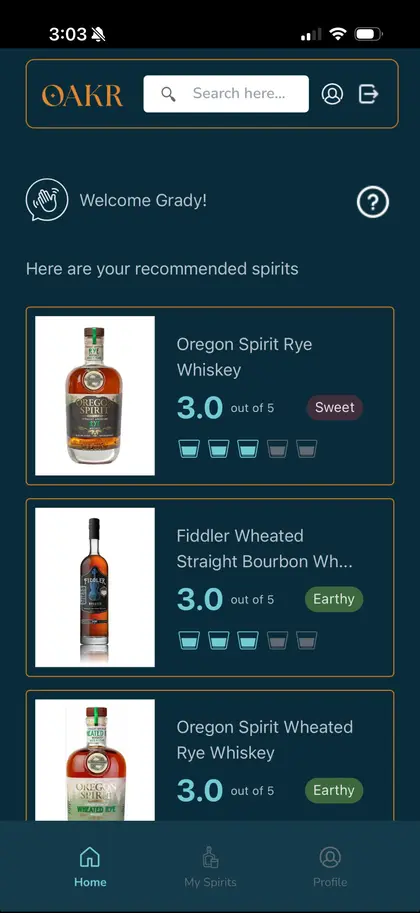
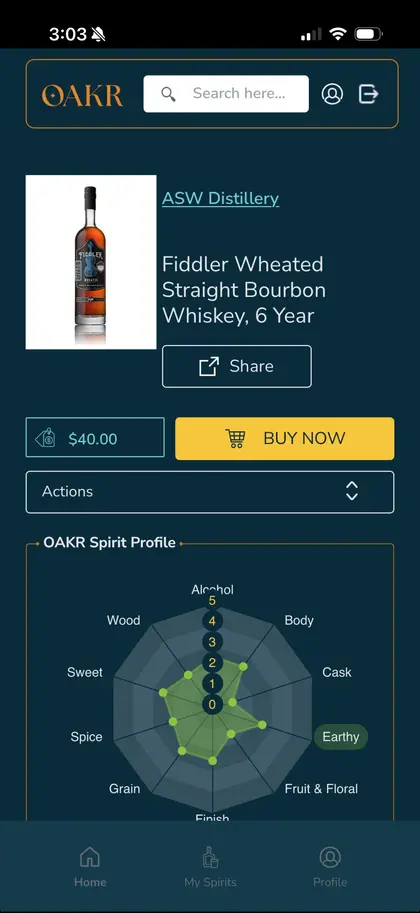
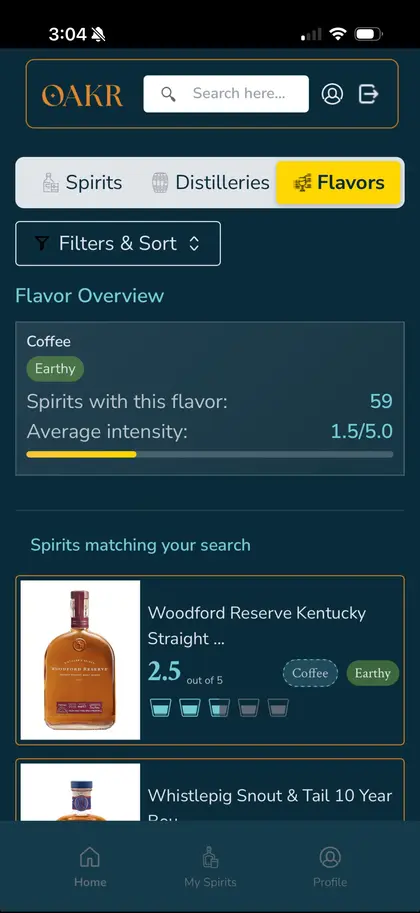
OAKR’s blind tasting panel scores every Still Austin expression without knowing what is in the glass. The panel maps 100+ flavor notes across 10 macro categories, capturing both the fruit-forward yeast character and the intense Texas-oak influence independently. Your Spirit Match score tells you whether Still Austin’s grain-to-glass architecture aligns with your palate before you spend. At $45, the data is cheaper than the regret.
[Download OAKR free on iOS, Android, or web →]

Bourbon enthusiast, spirits industry analyst, and the voice behind OAKR's distillery guides, brand reviews, and bourbon education content. Visiting distilleries, dissecting mashbills, and translating the craft into data since 2024.
Still Austin’s white corn, élevage aging, and Nancy Fraley’s blending create something different from Kentucky bourbon. OAKR’s blind tasting data tells you whether that difference fits your palate — at $45, the data is cheaper than the regret.