
Hard Truth Distilling makes every batch of bourbon from scratch. That sounds like it should be obvious — isn’t that what every distillery does? — but it’s not. Most American bourbon producers use a sour mash process, where acidic backset from the previous distillation run gets mixed into the next batch’s fermenter. Sour mash is safer (the acid inhibits bacterial contamination), more consistent (the backset stabilizes pH across batches), and cheaper (you’re recycling a byproduct rather than discarding it). Hard Truth uses sweet mash instead. Every fermentation starts fresh — no backset, no carryover from the last batch, no chemical safety net. It’s riskier, more labor-intensive, and more expensive. It’s also the production decision that gives their bourbon its specific character: cleaner, brighter, and softer than sour mash bourbon, with more grain expression and less of the acidic tang that the sour mash process imparts. That choice — taking the harder, more expensive path to get a specific flavor outcome — is what the name refers to. Everything else about Hard Truth flows from the willingness to do things the difficult way.

Hard Truth Distilling Co was founded in 2015 by Jeff McCabe and Jim Dunbar in Nashville, Indiana — the seat of Brown County, about an hour south of Indianapolis. McCabe and Dunbar came from Big Woods Brewing Co., a successful local craft brewery, and saw an opportunity to apply the same destination-experience model to spirits.
The result is a 325-acre campus in the Brown County hills that operates as part distillery, part tasting room, part restaurant, and part outdoor recreation area. It’s the largest destination distillery in Indiana — a facility designed to draw visitors as much as it’s designed to produce bourbon. You can tour the production floor, eat at the restaurant, hike the surrounding trails, and taste the whiskey all in one visit.
Brown County isn’t just scenic backdrop. The distillery sits on a limestone aquifer that provides naturally filtered water — the same geological advantage that Kentucky’s bourbon corridor is famous for. Limestone strips iron from the water (iron makes whiskey taste metallic) and adds calcium that yeast metabolizes during fermentation.
The climate provides the other half of the aging equation. Brown County’s rolling hills and dense forest canopy create temperature cycling that’s more dramatic than flat terrain would produce. Hot, humid Indiana summers push the spirit into the wood; cold winters pull it back out. The topography amplifies the swing — temperatures in the Brown County hills vary more than on the flat agricultural plains of central Indiana.
The transition from Big Woods Brewing to Hard Truth Distilling isn’t just a business pivot — it brought fermentation expertise that directly shaped the distillery’s approach. Craft brewers understand yeast management, fermentation temperature control, and the impact of different grain profiles on finished flavor in a way that translates directly to distilling. The sweet mash process in particular benefits from brewery-honed fermentation skills, because managing a clean, unprotected fermentation (without the acid buffer of backset) requires the kind of microbial control that good brewers already know.
In a sour mash process, the acidic backset from the previous distillation run is mixed into the next fermenter. This serves two purposes: it drops the pH to a level that inhibits bacterial contamination, and it provides a consistent starting point for fermentation across batches. It’s the industry standard because it works, it’s safe, and it’s predictable.
Sweet mash eliminates the backset entirely. Each batch starts with fresh grain, fresh water, and the yeast pitched into an unprotected environment. The pH is higher (less acidic), which means the fermentation is more vulnerable to bacterial contamination but also produces different flavor compounds. The esters and alcohols generated during sweet mash fermentation are generally cleaner, brighter, and more grain-forward than sour mash fermentation produces.
The flavor consequence: Hard Truth’s bourbons lack the subtle acidic edge that many drinkers don’t even realize is present in sour mash bourbon until they taste a sweet mash side by side. The grain character comes through more clearly, the mouthfeel is softer, and the overall profile reads as gentler without being weaker.
Hard Truth runs three distinct mashbills:
Sweet Mash Bourbon. The flagship — corn-dominant with rye and malted barley. Classic bourbon structure with the sweet mash’s cleaner, brighter fermentation character layered on top. Caramel, toasted nuts, fruit, and a notably smooth finish.
Sweet Mash Rye Whiskey. Rye-dominant mashbill with the sweet mash process rounding off the sharp edges that rye usually presents. Peppery and spicy but approachable — baking spices, orchard fruit, and honey rather than the aggressive bite of a typical rye.
Sweet Mash Four Grain Bourbon. Corn, rye, wheat, and malted barley — all four grains in one mashbill. The wheat adds softness, the rye adds complexity, and the four-grain combination produces a layered, multi-dimensional bourbon that’s more complex than any of the individual grains would suggest.
Bryan Smith manages the production floor and is the primary advocate for the sweet mash approach. His background includes both brewing and distilling science, which is relevant because sweet mash fermentation requires the kind of rigorous sanitation and microbial control that good brewers bring from their training. Smith’s expertise is in managing the risk that sweet mash introduces — keeping each batch clean and consistent without the acid buffer that sour mash provides.
Hard Truth operates as a grain-to-glass distillery — every step from milling through bottling happens on the 325-acre campus. They don’t source bourbon from contract distillers.
The distillation equipment includes both column and pot still components, giving Smith flexibility across the product range. The bourbon runs through a configuration that retains enough grain character to complement the sweet mash fermentation while achieving the proof targets needed for barreling.
The grain-to-glass commitment at Hard Truth is more meaningful than at most distilleries because of the sweet mash process. When you’re fermenting without the safety net of backset, the quality and consistency of the incoming grain matters more — any contamination or inconsistency in the raw materials gets amplified rather than buffered. Hard Truth’s grain sourcing and handling is calibrated to meet that higher bar.
Hard Truth ages in standard new charred American oak barrels in non-climate-controlled warehouses on the Brown County campus. The Indiana climate provides solid seasonal cycling — hot summers and cold winters — that drives the breathing cycle between spirit and wood.
Indiana’s aging environment isn’t as extreme as Texas but is more aggressive than Kentucky’s central corridor. The Brown County hills amplify temperature swings compared to flat terrain, and the humidity supports steady aging without the extreme evaporation rates that Texas producers deal with.
This is where Hard Truth’s willingness to take the hard road gets most interesting. Beyond standard bourbon aging, they maintain an active finishing program using barrel woods that most American distilleries won’t touch:
Mizunara (Japanese Oak) Finished Sweet Mash Rye. Mizunara oak is expensive, prone to leaking (the wood grain runs differently than American oak), and difficult to cooper. The flavor contribution is unlike anything American oak produces: sandalwood, coconut, incense, and an exotic spice character. Hard Truth finishes their sweet mash rye in Mizunara casks, creating a whiskey that bridges American rye spice and Japanese whisky character.
Amburana (Brazilian Hardwood) Finished Bourbon. Amburana wood is aggressively flavored — it contributes cinnamon, maple, gingerbread, and warm holiday spice notes that transform the base bourbon into something that reads as a dessert whiskey. It’s polarizing (bourbon purists resist non-traditional wood influence), but it’s also genuinely delicious in small pours.
These exotic finishes are limited releases, not core products. But they demonstrate a distillery that’s investing in R&D and barrel experimentation at a level that most Indiana craft operations don’t attempt.
Jeff McCabe and Jim Dunbar co-founded Hard Truth from their Big Woods Brewing operation. Their brewery background provided the fermentation expertise that makes the sweet mash process viable — you don’t take on the bacterial contamination risk of sweet mash without understanding microbial management at a professional level.
Bryan Smith serves as Master Distiller, responsible for the day-to-day production decisions: grain handling, fermentation management, distillation cuts, barrel selection, and the exotic wood finishing program. Smith’s dual background in brewing science and distilling gives him the specific skill set that sweet mash production demands.
The operation has grown from a startup extension of a craft brewery into Indiana’s largest destination distillery, with a staff that handles production, a full-service restaurant, event programming, and visitor experiences across the 325-acre campus.
Sweet Mash Bourbon (~$45-55). The flagship. Corn-dominant, sweet mash fermented, grain-to-glass. Caramel, toasted nuts, fruit, with the clean, soft finish that sweet mash produces. If you drink one bottle from Hard Truth, drink this one — it demonstrates the sweet mash difference most clearly.
Sweet Mash Rye Whiskey (~$45-55). Rye-dominant, sweet mash. Pepper and baking spice with the edges rounded off. If you think you don’t like rye, this might change your mind — the sweet mash process takes the aggressive bite out of rye without removing the spice entirely.
Sweet Mash Four Grain Bourbon (~$50-60). All four grains (corn, rye, wheat, barley), sweet mash. The most complex expression in the core lineup — layered, multi-dimensional, with each grain contributing distinct character. The overachiever of the group.
Mizunara Finished Sweet Mash Rye (limited, ~$80+). Sweet mash rye finished in Japanese Mizunara oak. Sandalwood, coconut, incense layered on rye spice. Exotic and genuinely unlike anything else in the American whiskey market.
Amburana Finished Bourbon (limited, ~$80+). Bourbon finished in Brazilian Amburana wood. Cinnamon, maple, gingerbread — a dessert whiskey that divides opinion but rewards adventurous palates.
Start with the Sweet Mash Bourbon — it’s the clearest demonstration of what sweet mash does differently. If you like the soft, clean character, try the Four Grain for more complexity or the Rye for spice. The exotic wood finishes are for drinkers who already know they like the base products and want to see where the experiments go.
Sweet mash is harder. Exotic wood finishes are riskier. Grain-to-glass at this scale is more expensive than sourcing. Hard Truth chose every one of those production paths deliberately, and the result is a lineup of bourbons and ryes that taste measurably different from sour mash competitors in the same price range.
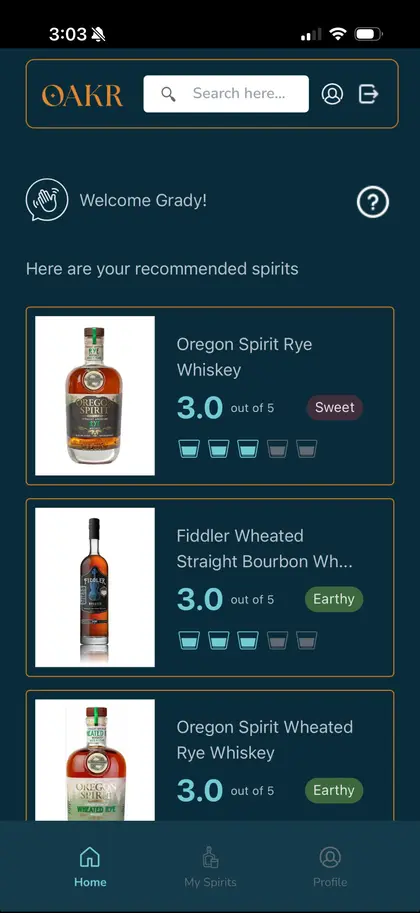
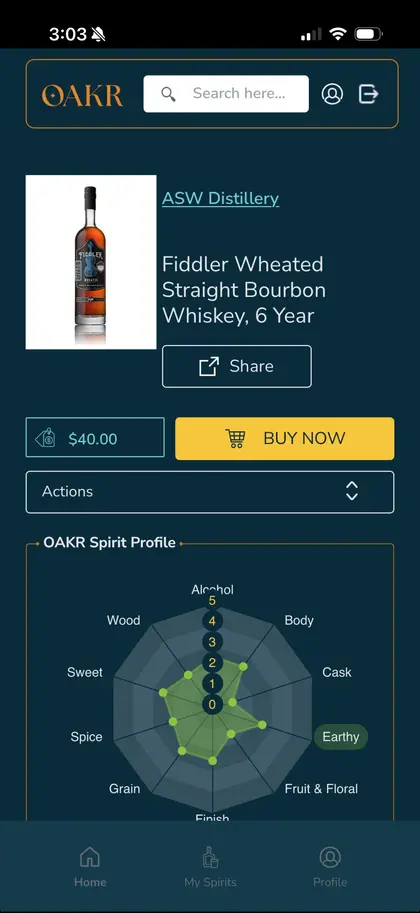
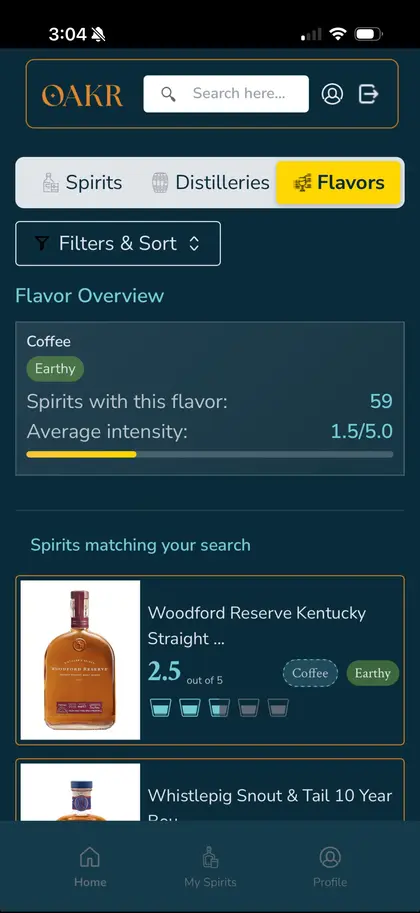
Whether “different” translates to “better for your palate” is the question that matters at the shelf. OAKR is built to answer it. Our blind tasting panel scores every bourbon across more than 100 flavor notes, organized into 10 macro categories. No sweet-mash-versus-sour-mash debate influencing the scores, no Brown County scenery in the background — just the liquid and an honest read on what’s in it. Add a few bottles you already love, and the AI tells you whether Hard Truth’s clean, grain-forward, sweet mash character matches what your palate wants.
You stop buying bourbon because the production philosophy sounds admirable. You start buying bourbon because it actually tastes like what you’re looking for.
[Download OAKR free on iOS, Android, or web →]

Bourbon enthusiast, spirits industry analyst, and the voice behind OAKR's distillery guides, brand reviews, and bourbon education content. Visiting distilleries, dissecting mashbills, and translating the craft into data since 2024.
Hard Truth’s 100% sweet mash fermentation produces a cleaner, brighter bourbon than the industry standard. In 2024 they won Indiana Distillery of the Year. OAKR’s blind data tells you if this approach fits your palate — before the bottles get allocated.