
George Remus Straight Bourbon Whiskey. 94 proof. Roughly $40. It sits on the shelf looking like a solid mid-range bourbon, which is exactly what the label wants you to think. What the label does not tell you is that the distillery behind it — Ross & Squibb in Lawrenceburg, Indiana — is almost certainly the source of bourbon you have already been drinking under someone else’s name. For decades, this facility operated as MGP (Midwest Grain Products), the largest contract distillery in American whiskey. Hundreds of brands — from allocated cult bottles to bottom-shelf mixers — source their bourbon and rye from this single campus on the banks of Tanner’s Creek. The George Remus bottle is the moment the contract giant decided to sell its own whiskey under its own name. That makes it one of the most interesting bottles on the shelf, not because of what it tastes like (which is excellent), but because of what it represents: the distillery is no longer hiding behind other people’s labels. Understanding Ross & Squibb requires understanding that duality. On one side, MGPI of Indiana continues to produce bourbon, rye, gin, and grain-neutral spirits for third-party brands under contract. On the other side, Ross & Squibb Distillery is the consumer-facing proprietary brand arm, producing George Remus Bourbon, Rossville Union Rye, and other in-house labels. Same campus. Same stills. Same water source. Different business model.

The distillery sits in Lawrenceburg, Indiana, in the southeastern corner of the state, directly across the Ohio River from Cincinnati. Distilling has been happening on this campus since 1847, when George Ross founded the Rossville Distillery — one of Lawrenceburg’s first and one of America’s last Prohibition-era distilleries. The Rossville name became synonymous with exceptional rye whiskey.
On the same campus, William Squibb opened his distillery in 1869. In 1921, George Remus — a Chicago pharmacist turned bootlegger who earned the nickname “King of the Bootleggers” and is often cited as the inspiration for F. Scott Fitzgerald’s Jay Gatsby — purchased the Squibb Distillery to run his illegal bourbon operation. The distillery changed hands repeatedly: Seagram’s bought it post-Prohibition in 1933 and rebuilt the facilities. Pernod Ricard acquired it in 2001. It became Lawrenceburg Distillers LLC (LDI) in 2007. MGP purchased it in 2011. In 2021, the consumer brand side was renamed Ross & Squibb Distillery, honoring both founding pioneers. MGP simultaneously merged with Luxco, the St. Louis spirits company, which now operates as MGP’s Brands Division and manages Lux Row Distillers and Limestone Branch Distillery in Kentucky alongside the Ross & Squibb portfolio.
The campus sits atop a massive limestone shelf above the Great Miami Aquifer — cold, naturally filtered water with low sulfur and iron content. This water source is a geological advantage shared with few other distilling regions. The combination of the aquifer water, the campus’s 175+ year distilling heritage, and the sheer scale of production capacity makes Ross & Squibb one of the most significant whiskey operations in America.
Ross & Squibb produces bourbon from two primary mashbills. The first is 75% corn, 21% rye, and 4% malted barley — a high-rye recipe that produces a bourbon with moderate spice, black pepper, and baking-spice character balanced by corn sweetness. The second is 60% corn, 36% rye, and 4% malted barley — one of the highest-rye bourbon mashbills in commercial production. The 36% rye version is dramatically spicier, with dark fruit, aggressive pepper, and a dry, assertive finish.
George Remus Straight Bourbon blends both mashbills. The marriage of the two recipes creates a layered bourbon with both the approachable sweetness of the 75/21/4 and the spicy complexity of the 60/36/4. Understanding that a single George Remus bottle contains two different bourbon recipes helps explain its unusual depth at the price point.
The rye program is arguably even more significant. Ross & Squibb produces an estimated 75% of all commercially available rye whiskey in America. The standard rye mashbill is 95% rye, 5% malted barley. This is the rye that shows up in countless third-party brands — Bulleit Rye, Templeton, and dozens of others source or have sourced from this facility. The Rossville Union Straight Rye Whiskey is the proprietary expression of that same 95/5 mashbill, bottled under the distillery’s own name.
The distillery operates massive copper column stills running continuously. This is industrial-scale distillation — the kind that produces hundreds of thousands of barrels annually. The scale is not a criticism; it is the reason the whiskey is as consistent and refined as it is. Column stills at this level produce a clean, efficient distillate, and the specific still configurations at Ross & Squibb have been tuned across decades of operation.
The facility uses sour mash fermentation, recycling acidic backset from previous distillation runs to control pH and ensure consistency. The yeast management program is rigorous — at this volume, any contamination or inconsistency in fermentation would cascade across thousands of barrels.
The dual-mashbill bourbon program means the distillery is essentially running two parallel production streams for bourbon alone, plus the rye program, gin production, and grain-neutral spirits. The infrastructure required to manage multiple mashbills at this volume is enormous and represents a capital investment that few distilling operations can match.
Ross & Squibb ages its bourbon and rye in new charred American oak barrels across a network of warehouses on and near the Lawrenceburg campus. The main campus is landlocked, so expansion has pushed barrel storage to off-site locations including a massive Deufol warehouse capable of holding 300,000 palletized barrels, plus former Old Quaker distillery warehouses that MGP acquired and refurbished.
The warehouse types vary significantly. The original Seagram’s-era warehouses on campus are multi-story brick buildings with traditional rick storage. The former Old Quaker warehouses have more windows, which allow for greater airflow and different temperature dynamics. The Deufol warehouse uses palletized storage in a climate that differs from the traditional multi-story rickhouse model. These warehouse differences produce meaningful variation in the bourbon — barrels from different warehouse types develop different flavor profiles even from the same mashbill.
The Indiana aging climate features four distinct seasons with cold winters and warm (though not Kentucky-hot) summers. The temperature cycling is less aggressive than central Kentucky, which tends to produce a slower, more gradual maturation. Indiana-aged bourbon is often described as having a cleaner, less tannic oak profile than comparable Kentucky-aged expressions.
George Remus bourbon is aged a minimum of five years. The Gatsby Reserve uses 15-year-old barrels blended from both mashbills and bottled at barrel proof in an art deco-inspired bottle — the crown jewel of the proprietary lineup.
The distilling team at Ross & Squibb manages one of the highest-volume whiskey operations in America. The facility’s technical staff oversees multiple simultaneous production streams — bourbon, rye, gin, and grain-neutral spirits — at a scale that requires both industrial engineering precision and sensory expertise.
The Luxco merger brought additional brand management expertise to the proprietary portfolio. David Bratcher, COO and president of branded spirits for MGP, has led the development of the George Remus, Rossville Union, and other Ross & Squibb brands. The consumer-facing brand strategy is deliberate: each proprietary label draws its name and identity from Lawrenceburg’s distilling history rather than from generic bourbon imagery.
George Remus Straight Bourbon Whiskey — 94 proof. Blend of both mashbills (75/21/4 and 60/36/4), aged minimum five years. Caramel, vanilla, baking spice, and a dry rye finish. Named for the King of the Bootleggers. At roughly $40, it is a strong value bourbon that reveals the quality of MGP distillate when bottled without a third party’s markup.
George Remus Repeal Reserve — Higher proof, typically barrel-proof or near it. A limited annual release blending older barrels from both mashbills. More oak depth, dark fruit, and tannic structure than the standard expression. Each series release is different, reflecting specific barrel selections from that year.
George Remus Gatsby Reserve — 15-year barrel proof bourbon. Blend of both mashbills in an art deco bottle. This is the prestige expression — the deepest barrel selection from the oldest stocks, bottled without water addition. Deep, complex, and demonstrating what the Indiana aging environment produces at extended age.
Rossville Union Straight Rye Whiskey — 94 proof. 95/5 rye mashbill. The in-house expression of the rye that supplies most of the American rye whiskey market. Sharp black pepper, herbal spice, and a dry finish. If you have ever enjoyed a sourced rye from any brand, this is likely the same base spirit under a different label — except here, you are buying it directly from the source.
Rossville Union Barrel Proof Rye — Cask strength, 95/5 mashbill. The rye without dilution. More intense and oily than the standard-proof version, with concentrated spice and fruit character. For rye enthusiasts who want the full uncut expression.
Eight & Sand Blended Bourbon — A blend of bourbon and other whiskeys at a lower price point. Named for the railroad term for full throttle. This is the entry-level expression, designed for cocktails and everyday drinking.
Ross & Squibb’s lineup spans from the $25 Eight & Sand to the $200+ Gatsby Reserve, and the same facility produces the base spirit for hundreds of other brands you see on every shelf. The proprietary portfolio gives you the opportunity to taste what MGP’s distillate tastes like without a third party’s markup, finishing, or blending altering the original character. If you have ever wondered what the bourbon behind your favorite sourced brand actually tastes like at the source, this is where you find out.
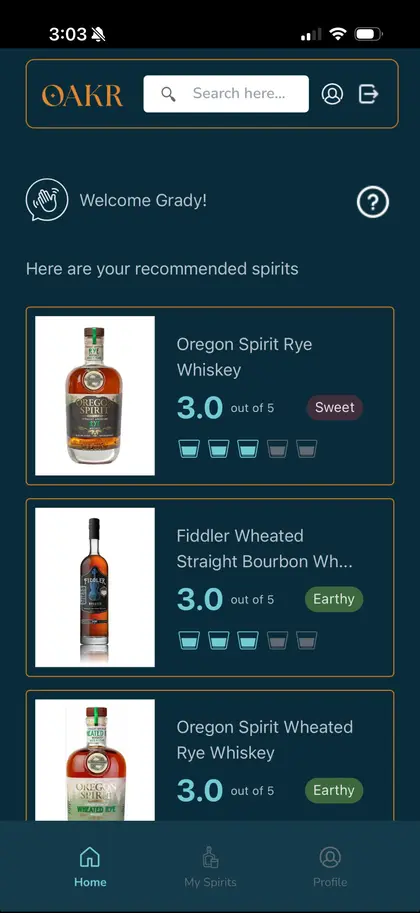
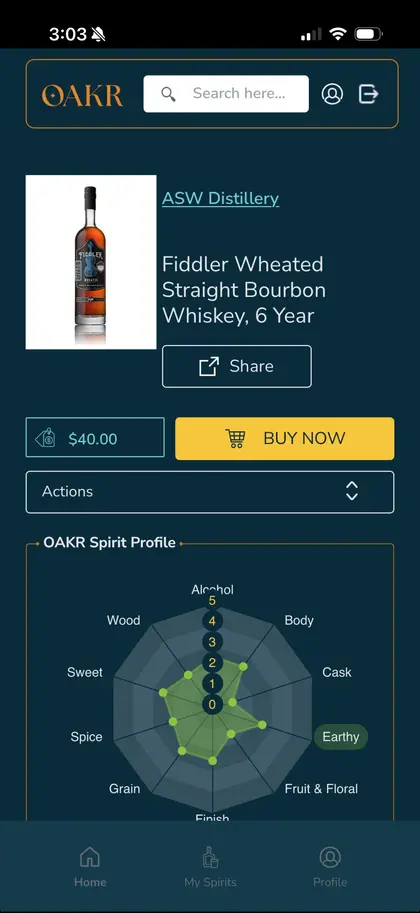
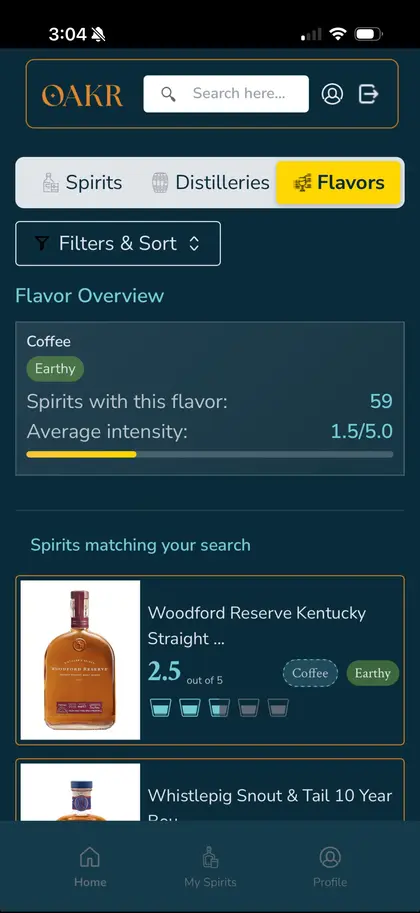
OAKR’s blind tasting panel scores every spirit without knowing what is in the glass, across 100+ flavor notes in 10 macro categories. For a distillery whose two mashbills appear under dozens of different labels, the panel data reveals whether the George Remus blend tastes different from — or identical to — other MGP-sourced bourbons you may already own. Your Spirit Match score navigates the full range of expressions, from the standard 94-proof bourbon through the 15-year barrel proof Gatsby, telling you which step in the ladder matches your palate. For the distillery that produces three-quarters of America’s rye whiskey, the data is the clearest window into what you are actually drinking.
[Download OAKR free on iOS, Android, or web →]

Bourbon enthusiast, spirits industry analyst, and the voice behind OAKR's distillery guides, brand reviews, and bourbon education content. Visiting distilleries, dissecting mashbills, and translating the craft into data since 2024.
Ross & Squibb makes the bourbon behind hundreds of labels. OAKR’s blind panel data shows you how George Remus compares to other MGP-sourced bottles you may already own.