
Sonoma Distilling Co. smokes its barley with cherrywood. That production detail — not the wine-country location, not the California branding — is the fact that separates their bourbon from everything else on the shelf. Most American whiskeys use unsmoked grain. Scotch distillers smoke with peat. Sonoma uses cherrywood, which produces a gentle, sweet, fruit-tinged smoke that is entirely different from the heavy, medicinal character of peat. The cherrywood-smoked malted barley comprises 5% of the flagship bourbon’s mashbill, but it contributes a subtle campfire-and-brandied-cherry finish that announces itself on every sip. It is the single production choice that makes Sonoma taste like Sonoma and not like a warmer-climate Kentucky knockoff. Founder Adam Spiegel made another unusual production decision: direct-fire copper alembic pot stills. Most American whiskey distillers use steam-heated stills or column stills. Spiegel’s stills are heated by open flame — a method more common in Cognac production than bourbon. Direct-fire distillation is riskier (you can scorch the mash) but produces a richer, more caramelized distillate when executed correctly. Combined with the cherrywood smoke and Sonoma County’s Mediterranean climate for aging, these choices create a whiskey that could only come from this specific operation.

Sonoma Distilling Co. is located in Rohnert Park, in the heart of Sonoma County, California — one of America’s most celebrated wine regions. The distillery was founded in 2010 by Adam Spiegel, who saw an opportunity to bring grain-to-glass whiskey production to a region that had never had one. At the time, Sonoma Distilling was one of fewer than 200 distilleries in the entire country. Spiegel was not inheriting a family operation. He was starting from scratch in a place where “mashbill” was not in the local vocabulary.
The Sonoma County climate is Mediterranean — warm, dry days and cool nights with a significant diurnal temperature swing. This daily cycling drives barrel interaction differently than the seasonal cycling of Kentucky or Tennessee. Rather than the aggressive push-and-pull of extreme summer heat and winter cold, Sonoma’s barrels experience a gentler, more rhythmic daily expansion and contraction. The result is a maturation profile that develops different flavor compounds at a different pace — often described as more nuanced and less aggressively oaked than traditionally aged bourbon.
The water comes from local aquifers fed by the Russian River watershed. It is clean, pure California water without the limestone-filtered mineral profile of Kentucky water. Spiegel does not try to replicate Kentucky conditions. The entire operation is built around what Sonoma County provides: the climate, the water, the locally sourced non-GMO grains, and the cherrywood from the surrounding region.
The flagship California Bourbon uses a mashbill of 70% corn, 25% rye, and 5% cherrywood-smoked malted barley. The high-rye content (25%) provides spice and structure, while the cherrywood-smoked barley adds the subtle smoke character that defines the house style. This is not a peated whiskey — the cherrywood smoke is gentle, sweet, and fruity rather than heavy and medicinal.
The California Rye uses 80% rye and 20% malted rye — a 100% rye grain mashbill that is assertive but more nuanced than many commercial ryes. The all-rye recipe produces allspice, cocoa, orange peel, and a peppery character rounded by the malted rye’s chocolatey depth.
The Cherrywood Smoked Bourbon amplifies the smoke component from the flagship by increasing the proportion of cherrywood-smoked grain. It pushes the campfire character to the foreground while maintaining the caramel and vanilla base. It is Sonoma’s most distinctive expression — a bourbon with smoke that tastes like a fruit orchard fire rather than an industrial kiln.
Additional expressions include a California Wheat whiskey (softer, honey-and-butterscotch profile) and the Black Truffle Rye — an infusion of actual black truffles into the rye whiskey, producing an earthy, savory, completely unconventional spirit.
Sonoma operates as a true grain-to-glass distillery. Grain is milled, mashed, fermented, distilled, aged, and bottled on-site. Nothing is sourced.
The defining equipment choice is the direct-fire copper alembic pot still system. These are handmade copper pot stills in the tradition of Cognac distillation, heated by open flame rather than steam jackets. Direct-fire distillation requires constant attention — the distiller must manage the heat to avoid scorching while achieving the Maillard reaction that caramelizes sugars in the mash and adds complexity to the distillate. When executed well, direct-fire pot distillation produces a richer, more textured spirit with deeper caramel and toasted notes than steam-heated methods.
Sonoma double-distills all of its whiskey through the alembic pot stills. The two-pass process refines the spirit while preserving the heavier flavor compounds and oils that pot stills retain. The combination of cherrywood-smoked grain, direct-fire distillation, and double pot-still processing creates a distillate with a distinctive house character before it ever touches a barrel.
Sonoma ages its whiskey in new charred American oak barrels on-site in Sonoma County. The Mediterranean climate — warm days, cool nights, moderate humidity — provides a maturation environment that differs fundamentally from traditional bourbon aging regions. The daily temperature cycling drives a constant, rhythmic interaction between the spirit and the wood, extracting flavor steadily rather than in the dramatic seasonal bursts of Kentucky warehousing.
The moderate climate also means slower evaporation rates and less aggressive angel’s share than hot-climate aging. Sonoma’s whiskeys tend to develop a more integrated, less tannic oak profile at comparable ages to Kentucky bourbons. The tradeoff is that some expressions may need more time to develop the deep color and intense oak character that hot-climate aging produces rapidly.
The distillery produces expressions at various age statements and proof levels, including cask-strength single barrel releases. The barrel program is where the cherrywood smoke, the direct-fire distillation character, and the Sonoma aging climate converge into the final flavor.
Adam Spiegel is the founder and the driving force behind every production decision. His background is not in traditional distilling — he came to whiskey through personal obsession and built the distillery from scratch in a region with no whiskey-making tradition. Spiegel’s choices — cherrywood smoke, direct-fire stills, California grain sourcing — are all deliberate departures from bourbon convention, made to create a product that reflects its specific origin rather than imitating Kentucky.
Sonoma California Bourbon — 93 proof. 70/25/5 mashbill with cherrywood-smoked barley. Vanilla, honey, baked apple, and a subtle smoky finish from the cherrywood. Full-bodied and balanced. The flagship and the best introduction to the house style.
Sonoma California Rye — 93 proof. 80% rye, 20% malted rye. Allspice, cocoa, orange peel, and peppery rye spice rounded by a chocolatey malt character. Assertive but approachable. Excellent in a Manhattan.
Sonoma Cherrywood Smoked Bourbon — The flagship’s bolder sibling. More pronounced cherrywood smoke — campfire, brandied cherry, caramel, and vanilla interwoven with gentle smoke. The bottle you pull out when someone says they have tried everything.
Sonoma California Wheat — A softer, gentler expression. Honey, butterscotch, and toasted grain. For drinkers who find bourbon or rye too aggressive.
Black Truffle Rye — Rye whiskey infused with actual black truffles. Earthy, savory, and genuinely unusual. Not for everyone, but an unforgettable experience for adventurous palates.
Sonoma Distilling Co. is not a brand you will find on every shelf. Distribution is concentrated in California and select markets. If you have never encountered a cherrywood-smoked bourbon made on direct-fire alembic pot stills in wine country, you are discovering a distillery that has no direct comparison in the American whiskey landscape.
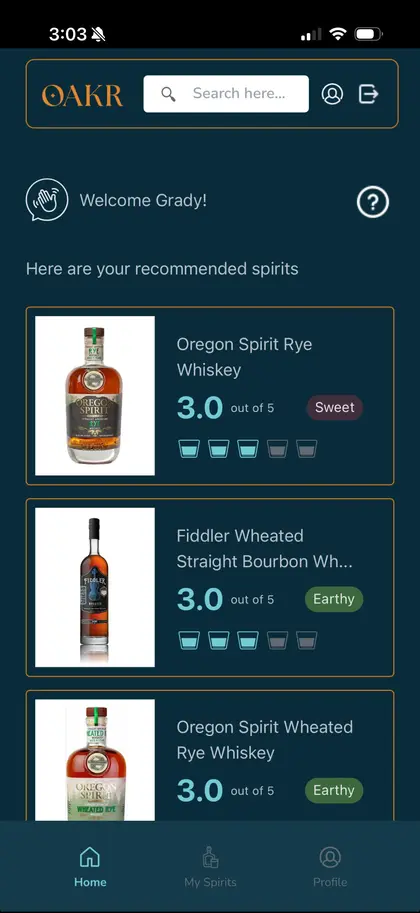
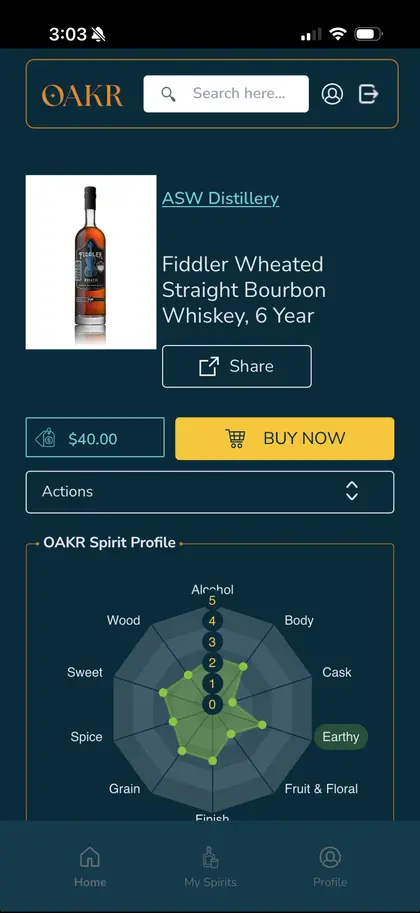
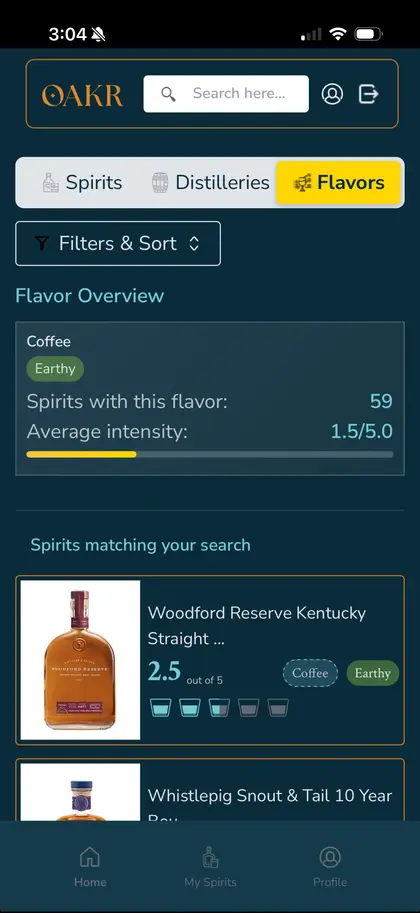
OAKR’s blind tasting panel scores every spirit without labels, across 100+ flavor notes in 10 macro categories. For a bourbon with a smoke component that sits outside the normal American whiskey spectrum, the panel data tells you whether the cherrywood character, the pot-still richness, and the California aging profile align with what your palate actually enjoys. Your Spirit Match score maps your preferences against each Sonoma expression, so you know whether the smoke is a revelation or a distraction before you commit to a bottle you may not find again easily.
[Download OAKR free on iOS, Android, or web →]

Bourbon enthusiast, spirits industry analyst, and the voice behind OAKR's distillery guides, brand reviews, and bourbon education content. Visiting distilleries, dissecting mashbills, and translating the craft into data since 2024.
Sonoma’s cherrywood-smoked bourbon has no comparison in American whiskey. OAKR’s blind tasting data tells you whether this unique smoke character is a revelation or a distraction for your palate.