
The WhistlePig 10 Year Small Batch Rye costs about $80. The WhistlePig Boss Hog XII costs $600. Both are rye whiskeys from the same 500-acre Vermont farm. Both carry the same pig logo. The difference between them — and the reason one costs seven times more than the other — is a finishing program so aggressively experimental that it makes most bourbon producers look like they are running a corporate compliance department. Boss Hog XII was finished in Pulque Curado de Cacao barrels from Mexico. The previous edition used Greek fig nectar and tentura liqueur casks. The one before that, Filipino rum barrels aged for a decade. Meanwhile, the 10 Year Rye does its job the traditional way: 100% rye, American oak, ten years of aging. That range — from a straightforward 10-year rye to a $5,000, 30-year single malt finished in Vin Santo barrels — is the WhistlePig thesis in a single portfolio. They believe that age plus experimental finishing equals flavors that cannot be achieved any other way. WhistlePig was founded in 2007 when entrepreneur Raj Peter Bhakta purchased a 500-acre former dairy farm in Shoreham, Vermont. Bhakta had no distilling experience. He recruited Dave Pickerell — the legendary Master Distiller who had spent 14 years at Maker’s Mark — to design the production program. Pickerell found an exceptional stock of aged 100% rye whiskey at a distillery in Alberta, Canada, that was being squandered as blending stock. He brought it to Vermont, finished it in American oak, and the WhistlePig 10 Year was born. The brand launched in 2010, and that Canadian-sourced, Vermont-finished rye effectively reignited the American rye category at a time when bourbon dominated every conversation.

The distillery operates on a 500-acre farm in Shoreham, Vermont — not open to the public. The property includes about 300 acres of rye grain, 200 acres of maple trees for syrup production, and space for livestock including two Kunekune pigs named Mortimer Junior and Orwell. The farm also grows corn, barley, and oak trees. Two 750-gallon Vendome copper pot stills handle on-site distillation.
Vermont’s climate is the aging variable. The state’s extreme temperature swings — hot summers and brutally cold winters — drive aggressive barrel interaction. The local oak trees grow slowly in the cold, producing tighter growth rings that extract more flavor when whiskey pushes into the wood. WhistlePig harvests Vermont oak from the farm and surrounding area to make proprietary barrels. The tight grain structure of Vermont oak imparts cedar, rich toast, and a structural complexity that standard American White Oak from warmer climates does not deliver.
In December 2025, WhistlePig opened The Vault — a whiskey destination inside a historic 1911 bank building at 403 East Market Street in Louisville, Kentucky, between Whiskey Row and NuLu. The location features rare tastings and bottle customization experiences. It is WhistlePig’s first direct-to-consumer space outside Vermont.
The core of WhistlePig’s identity is rye. The flagship 10 Year is 100% rye — not the minimum 51% that legally qualifies as rye whiskey, but a full-grain rye that eliminates corn sweetness entirely and delivers a spicy, peppery, full-bodied profile. The FarmStock series uses rye grown on the Vermont farm. The PiggyBack Rye is also 100% rye, aged six years, and designed specifically for cocktail use.
The bourbon program uses a different approach. The PiggyBack Bourbon (6-year, 100 proof) runs a high-corn mashbill with rye and malted barley, delivering the sweetness and body expected from bourbon while maintaining the WhistlePig edge. The Snout-to-Tail Bourbon (10-year, 88 proof) is sourced Kentucky distillate, finished with WhistlePig’s proprietary barrel techniques.
Given the years necessary to age whiskey, a portion of WhistlePig’s inventory — particularly the older expressions — is sourced from MGP in Indiana and Alberta Premium in Canada. The company has been transparent about this: sourcing is how they built the brand while their own Vermont distillate aged. The FarmStock series blends their own Vermont-distilled rye with older sourced stock, and the on-site distillation program has expanded steadily since production began.
The on-site distillery runs two 750-gallon Vendome copper pot stills. Pot-still distillation retains more of the heavy oils and congeners from the rye grain, producing a richer, more textured distillate than column-still rye. The stills were designed by Dave Pickerell with adjustable reflux — allowing the distillers to control how much vapor condenses and falls back into the pot for redistillation. This gives them the ability to produce a spirit that is both full-bodied and clean, without the harshness that pure pot-still distillation can sometimes carry.
Head Blender Meghan Ireland — a chemical engineer by training — manages the blending program. R&D Distiller Mitch Mahar runs the experimental side, driving the innovation behind limited releases. Ireland’s chemical engineering background means the blending decisions are data-driven, not intuitive — a significant departure from the “master taster” model that most heritage distilleries rely on.
The barrel program is the production decision that most defines WhistlePig. Three elements are worth understanding.
First, Vermont oak. WhistlePig harvests oak from the farm property and surrounding Vermont forests. Vermont’s cold climate produces trees with tighter growth rings than oak from warmer regions. When whiskey interacts with tight-grained wood, it encounters more resistance and extracts more complex flavor compounds — cedar, toast, and structural tannins that add depth without overwhelming sweetness.
Second, the finishing program. WhistlePig has finished whiskey in barrels that previously held port, Sauternes, Madeira, rum, cognac, Calvados, and increasingly exotic casks. The Boss Hog series is the most extreme expression: each annual release uses a different finishing barrel — Greek fig nectar casks, Filipino rum barrels, Mexican Pulque Curado de Cacao barrels — producing flavors that are impossible to achieve through standard aging alone.
Third, the Snout-to-Tail technique. For the 10-Year Bourbon, WhistlePig uses finishing barrels with two differently toasted barrel heads: a Vermont oak medium toast on one end (“the snout”) and a Vermont oak smoked maple wood toast on the other (“the tail”). The barrels are physically flipped 180 degrees during aging so the bourbon interacts with each head, extracting different flavor compounds from each end. It is labor-intensive and logistically complicated, but it produces a bourbon with layered toast, maple, and cedar notes that single-head finishing cannot replicate.
The late Dave Pickerell designed the production system and sourced the original Canadian rye stock that launched the brand. Meghan Ireland, the Head Blender, brings a chemical engineering background to the blending program — she approaches flavor at the molecular level. Mitch Mahar, the R&D Distiller, runs experimentation. CEO Charles Gibb oversees the business. The team operates without generational tradition — WhistlePig has explicitly built its identity around having zero family heritage, treating that absence as creative freedom rather than a deficit.
WhistlePig 10 Year Small Batch Rye — 100% rye, 100 proof, aged 10 years in American oak. The flagship. Orange peel, caramel, black pepper, clove, nutmeg. The expression that brought rye back into the mainstream conversation. Reliable, complex, and the most widely available WhistlePig product. SRP around $80.
PiggyBack 100% Rye (6 Year) — 100% rye, 96.56 proof (the proof honors Dave Pickerell’s birth year, 1956). Designed for cocktails. Cocoa, cardamom, leather, with rougher edges than the 10 Year. The value entry point. SRP around $35.
WhistlePig 12 Year Old World Cask Finish — Finished in port, Sauternes, and Madeira barrels. The finishing adds dried fruit, dark chocolate, and wine-like tannins to the rye spice base. A bridge between the straightforward 10 Year and the experimental Boss Hog.
WhistlePig 15 Year Estate Oak — Finished in Vermont Estate Oak harvested from the farm. The Vermont oak’s tight grain imparts cedar, dark toast, and structural tannins. The oldest standard release in the core lineup.
FarmStock Rye — A blend of Vermont-distilled rye and older sourced whiskey. The percentage of Vermont distillate increases with each crop series release. Earthy, grassy, with a terroir-driven character distinct from the sourced expressions.
Snout-to-Tail Bourbon (10 Year) — Sourced Kentucky bourbon, 88 proof, finished with dual-headed Vermont oak toasted barrel heads. Honey, brown sugar, toasted cashew, baked cornbread, cedar. Released January 2025. SRP $90.
PiggyBack Bourbon (6 Year) — 100 proof, aged six years. A straightforward bourbon with high-rye character, sweetness, and spice.
Boss Hog (Annual Limited Release) — Single-barrel, barrel-strength rye finished in exotic casks. Each edition is different. Prices range from $500 to $600. Extremely limited.
The BigSheBang (30 Year Single Malt) — Released 2025. Finished in Vin Santo barrels. SRP $4,999. The oldest, rarest, and most expensive WhistlePig release to date.
WhistlePig’s limited releases — Boss Hog, The BigSheBang, vintage single barrels — are among the most hunted bottles in American whiskey. These are not artificially scarce marketing plays. They are single-barrel or extremely small-batch expressions finished in casks that are themselves limited in supply. If you are tracking down a specific Boss Hog edition or a Vermont Estate single barrel, knowing your flavor preference before you commit to the purchase saves both money and the frustration of hunting the wrong bottle.
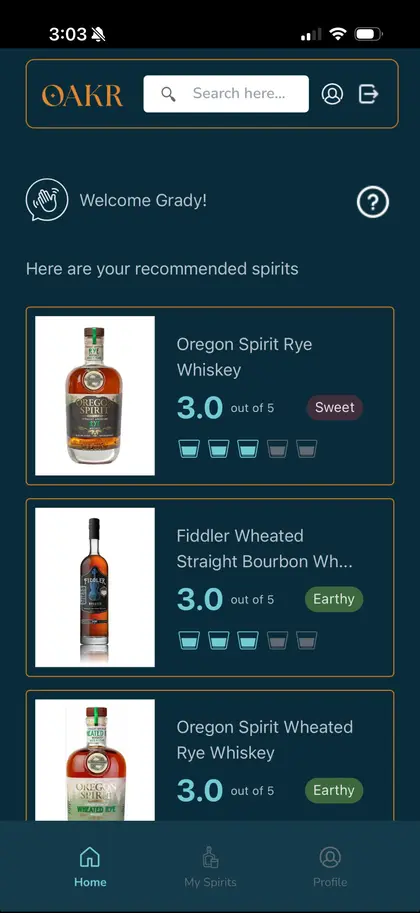
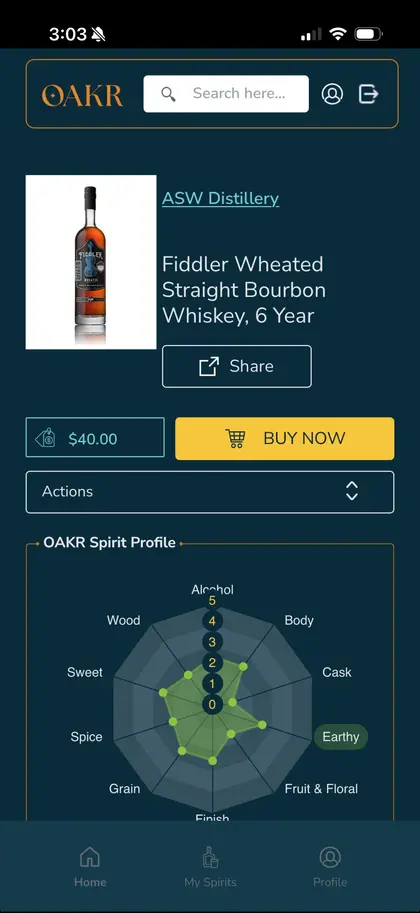
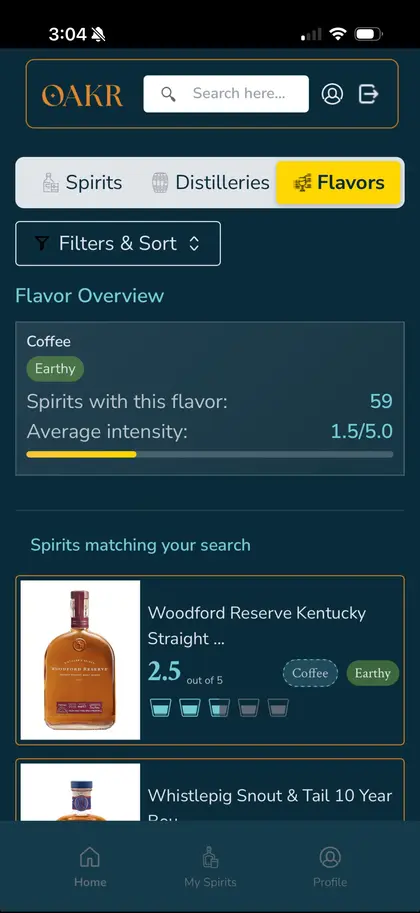
OAKR’s blind tasting panel evaluates WhistlePig’s expressions without knowing what is in the glass. The panel scores across 100+ flavor notes in 10 macro categories, capturing both the rye-grain spice and the specific finishing-barrel influence independently. Your Spirit Match score tells you whether WhistlePig’s rye-forward, finishing-driven architecture aligns with what your palate actually prefers — before you spend $80 on the 10 Year or $600 on a Boss Hog. For allocated bottles, the data is the difference between a trophy and an expensive mistake.
[Download OAKR free on iOS, Android, or web →]

Bourbon enthusiast, spirits industry analyst, and the voice behind OAKR's distillery guides, brand reviews, and bourbon education content. Visiting distilleries, dissecting mashbills, and translating the craft into data since 2024.
WhistlePig’s 100% rye, Vermont oak, and exotic cask finishes are unlike anything else on the shelf. Whether that’s a revelation or a distraction depends on your palate. OAKR’s blind tasting data tells you before you spend $80—or $600.