
Widow Jane 10 Year Bourbon costs about $70. For that price, you are buying a blend of straight bourbons sourced from Kentucky, Tennessee, and Indiana — not bourbon distilled in Brooklyn. The distillery is transparent about this. The 10 Year is a blending program, not a grain-to-glass production. The bourbons are selected by Head Distiller Sienna Jevremov, married in five-barrel batches at the Red Hook facility, non-chill filtered, and proofed with limestone mineral water trucked 100 miles from the Rosendale Mines in upstate New York. That water, from the same mines that produced the cement for the Brooklyn Bridge and the pedestal of the Statue of Liberty, is not a marketing footnote. It is the ingredient that connects every Widow Jane expression, sourced and distilled alike, and it contributes a round mouthfeel and mineral sweetness that is measurably different from standard municipal water proofing. Whether $70 is justified depends on whether you believe that blending, water selection, and non-chill filtration add enough value to aged bourbon that someone else distilled. The market has answered that question clearly: Widow Jane is one of the most recognized whiskey brands in America, and Heaven Hill acquired the company to add it to its portfolio alongside Evan Williams, Elijah Craig, and Larceny.

The distillery sits on Conover Street in Red Hook, Brooklyn — a cobblestoned industrial neighborhood on the waterfront of south Brooklyn. The building previously housed a parachute factory and a bean-to-bar chocolate manufacturer. Daniel Preston, an inventor and aerospace engineer, founded Widow Jane in 2012 with the conviction that the quality of proofing water matters more than the spirits industry acknowledges. His engineering background shaped the distillery’s DNA: precision sourcing, scientific attention to water chemistry, and a blending philosophy that treats whiskey more like winemaking than bourbon production. The company is named after the Widow Jane Mine in Rosendale, New York — the specific mine from which the proofing water is sourced.
Widow Jane operates its full production facility in Red Hook — mashing, fermentation, distillation, barreling, aging, blending, warehousing, and bottling all happen on-site. The Red Hook location is not just a bottling plant. The coastal Brooklyn climate — harbor humidity, salt air, and significant temperature fluctuations between summer and winter — creates an aging environment distinct from Kentucky or Indiana. The humidity tends to keep proof manageable while concentrating flavors, and the rapid temperature swings in the rickhouse drive aggressive barrel interaction for the whiskey aged on-site.
Sienna Jevremov took over as Head Distiller in late 2022, succeeding Lisa Wicker. Jevremov has been with the company since 2012 — she was one of the original team members. Her approach to blending is sensory and emotional rather than formulaic: she describes each year’s Vaults release as an attempt to capture a specific feeling or landscape in the glass. The 2025 edition was inspired by a hiking trip through the gorges of Crete — the Mediterranean sage, wild herbs, and sunbaked stone she encountered there became the flavor blueprint for the whiskey.
The Widow Jane 10 Year is a blend of straight bourbons from multiple distilleries. The individual mashbills vary by source — Kentucky distillate, Tennessee distillate, Indiana distillate — but the final blend is selected for a profile that emphasizes dark fruit, vanilla, oak, and spice. The blending is done in micro-batches of five barrels, giving the team control over each release’s character.
For the in-house distillation program, Widow Jane uses a proprietary heirloom corn variety called Baby Jane — a non-GMO cultivar the distillery has developed and nurtured over years. Baby Jane corn is sweeter, more complex, and lower-yielding than the yellow dent corn used in most bourbon production. The in-house mashbill also includes malted rye and malted barley. This grain program represents Widow Jane’s long-term trajectory: building toward a portfolio that is entirely Brooklyn-distilled, while the blended expressions continue to anchor the brand.
All whiskey — sourced and distilled — is proofed with the Rosendale Mine water. The water is naturally filtered through the same limestone formation that produced the strongest natural cement in 19th-century America. It is high in calcium and magnesium, low in iron, and has a harder mineral profile than most Kentucky water sources. The minerals contribute sweetness and mouthfeel that survive into the finished bourbon.
The Red Hook facility runs a copper pot still for in-house distillation. Pot-still production is batch-based and retains more of the heavy oils and congeners from the fermented mash, producing a richer, oilier distillate than column-still bourbon. The pot still gives the distillers precise control over cuts — the decision points where heads and tails are separated from the desirable hearts.
The other critical production technique is non-chill filtration. Most bourbon producers chill-filter their whiskey before bottling to remove fatty acids and proteins that can cause cloudiness when ice or cold water is added. The filtration makes the bourbon look clear in the glass but strips out some of the oils and texture that contribute to mouthfeel and flavor. Widow Jane skips this step across its entire lineup. Every expression is non-chill filtered, which is why the bourbon has a noticeably fuller, oilier texture than many competitors at the same price point.
The sourced bourbons that compose the 10 Year and Lucky Thirteen have been aged at their origin distilleries for a minimum of 10 and 13 years respectively in new charred American oak. The barrels are selected by the blending team for specific flavor characteristics, then brought to Brooklyn for blending and proofing.
The finishing program is where Widow Jane’s creativity shows. The Decadence release finishes 10-year bourbon in barrels that previously held Crown Maple artisan maple syrup from upstate New York — adding sugared pecan, birch beer, and a wink of maple that deepens cocktail applications. The Vaults series finishes 15-plus-year bourbon in rare exotic woods: the 2025 edition used Mythological Oak from ancient forests near Amfilochia on the Mediterranean coast of Greece. Previous editions have used Amburana wood from Brazil and other rare species. In April 2026, the distillery released a Tequila Ocho Cask Finish — the first time Tequila Ocho allowed its barrels to be repurposed for whiskey — adding agave, marigold, and lime zest to the bourbon’s profile.
The on-site rickhouse in Red Hook ages the distillery’s own production. The waterfront location means barrel aging happens in a uniquely urban maritime climate — salty air, harbor humidity, and the kind of temperature swings that force aggressive wood interaction.
Sienna Jevremov is the Head Distiller and Blender. She has been with Widow Jane since its founding year and has shaped every expression the distillery has released. Her blending approach treats sourced bourbon the way a great wine producer treats vineyard sources — selecting, combining, and finishing to create something greater than any individual component.
Daniel Preston, the founder, brought an aerospace engineer’s obsession with materials science to the whiskey industry. His conviction that proofing water is an undervalued variable — and his willingness to truck water 100 miles to prove it — established the brand’s identity. The distillery is now part of the Heaven Hill portfolio, giving it access to one of the country’s largest holdings of aged bourbon stock while maintaining operational independence in Red Hook.
Widow Jane 10 Year Bourbon — Blend of straight bourbons from Kentucky, Tennessee, and Indiana. Minimum 10 years aged. Non-chill filtered. Proofed with Rosendale Mine water. 91 proof. Cherry, vanilla, orange, oak, and spice with a round mouthfeel. The flagship and the bottle that built the brand. SRP around $70.
Lucky Thirteen — 13-year-old bourbon. Higher proof (around 93). Deeper, darker profile than the 10 Year — baked apple, dried fig, toasted marshmallow, dark chocolate, tobacco, and charred oak. The extra three years amplify everything.
Decadence — 10-year bourbon finished in Crown Maple artisan maple syrup barrels. 91 proof. Released annually in limited quantities. Sugared pecans, birch beer, charred oak, with a wink of maple. SRP around $100. A dessert bourbon that avoids being cloying.
The Vaults — Annual super-premium release. Minimum 15 years aged. Finished in rare exotic woods (2025: Mythological Oak from Greece). 99 proof. Deep leather, antique wood, dark cherry, molasses. Only 15,672 bottles of the 2025 edition. SRP $250.
Borough Blend — New York-only release. Five-barrel marriage of 10-year bourbons selected by bartenders from NYC’s five boroughs. Non-chill filtered, Rosendale water proofed.
Tequila Ocho Cask Finish — 10-year bourbon finished eight months in Tequila Ocho reposado barrels. Agave, marigold, black tea, chocolate pecan pie, lime zest. Released May 2026.
Baby Jane — In-house distilled bourbon using the proprietary Baby Jane heirloom corn. This represents the future of the brand — Brooklyn-distilled, Rosendale-proofed, fully Widow Jane from grain to glass.
Widow Jane 10 Year is not the cheapest 10-year bourbon on the shelf. At $70, you are paying for the sourcing expertise, the five-barrel micro-batching, the non-chill filtration, and the Rosendale water proofing. Whether that premium delivers enough incremental flavor — and whether Widow Jane is actually good — over a $40 ten-year bourbon is a palate question, not a quality question. Both are well-made. The difference is whether the specific textural richness and mineral sweetness that Widow Jane’s process adds is something your palate values.
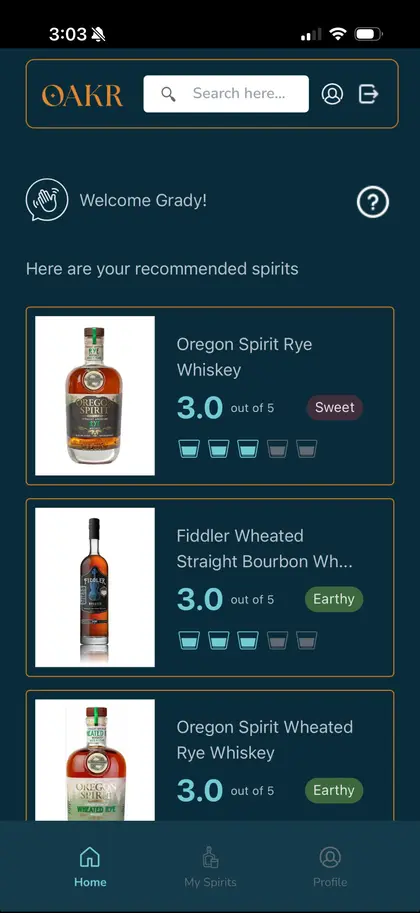
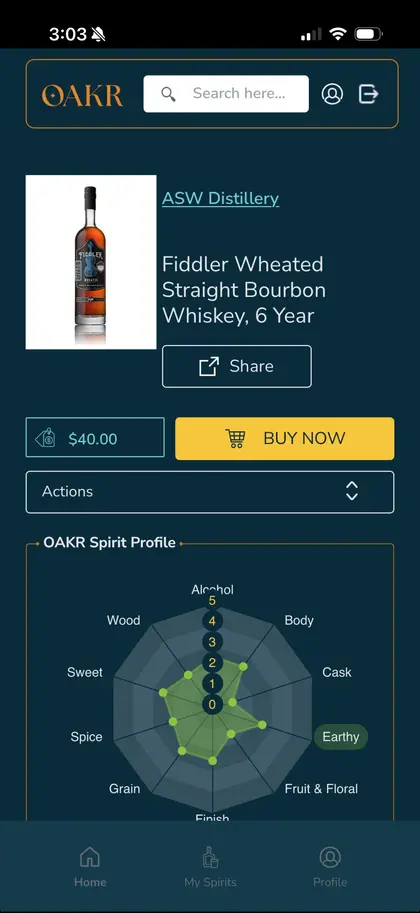
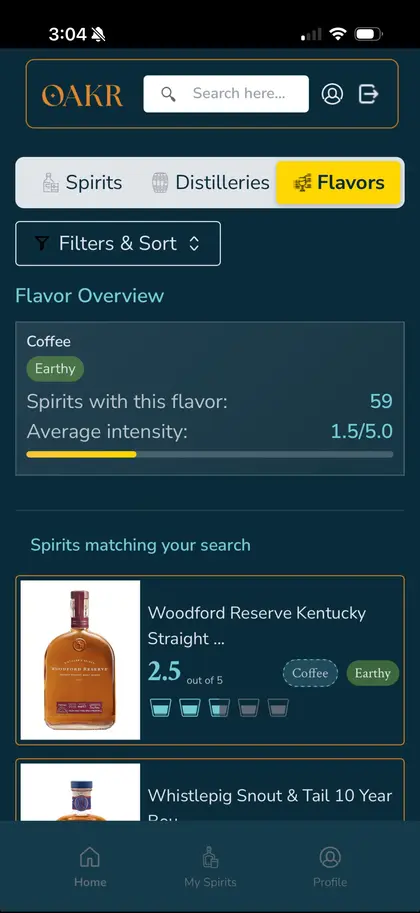
OAKR’s blind tasting panel evaluates Widow Jane’s expressions without knowing what is in the glass. The panel scores across 100+ flavor notes in 10 macro categories, capturing the dark fruit, the mineral mouthfeel, and the oak influence independently. Your Spirit Match score tells you whether this specific approach — blended sourced bourbon, non-chill filtered, limestone mineral water proofed — delivers a profile your palate actually prefers. At $70, the data answers the question before the receipt does.
[Download OAKR free on iOS, Android, or web →]

Bourbon enthusiast, spirits industry analyst, and the voice behind OAKR's distillery guides, brand reviews, and bourbon education content. Visiting distilleries, dissecting mashbills, and translating the craft into data since 2024.
At $70, Widow Jane 10 Year asks whether sourcing expertise, Rosendale water, and non-chill filtration add enough value. OAKR’s blind tasting panel answers that question with data — your Spirit Match score tells you if this specific approach delivers for your palate.