
Bill Welter doesn’t give TED Talks about his whiskey. He was a banker who got laid off in the 2008 financial crash, moved to Scotland to learn distillation, trained in Tasmania and Chicago, then came home and found a 19th-century corset factory in a one-stoplight Michigan village. He turned it into one of the few certified organic and kosher distilleries in the United States. The biography is interesting, but it’s not what makes the whiskey taste the way it does. What makes the whiskey taste the way it does is the organic Midwest grain, the untreated aquifer water, the manual distillation cuts, and the bipolar Michigan climate that ages spirit faster than it has any right to. Those are the specs that matter. Journeyman Distillery is a genuine grain-to-bottle operation — meaning they distill, bottle, label, and package every spirit on-site in Three Oaks, Michigan. They source locally grown organic grains from Midwest farms, use unfiltered and untreated water from an underground aquifer beneath the property, and make distillation cuts by hand based on taste and smell rather than automated readings. The result is a portfolio of 24+ spirits that carry the specific character of their ingredients and location in a way that industrially produced spirits cannot replicate. Whether that character appeals to your palate depends on what you’re looking for. Here’s everything the production can tell you before you buy.

Featherbone Bourbon Whiskey — Journeyman’s signature bourbon, named for the historic factory that houses the distillery. Made from organic corn, wheat, rye, and malted barley. The organic grain and pot-still distillation produce a bourbon with more grain texture and body than most — expect toasted grain, caramel, vanilla, and a clean, slightly nutty finish. This is the bottle that introduces the distillery’s flavor identity: grain-forward, organic, and built for character over smoothness.
Buggy Whip Wheat Whiskey — An organic wheat whiskey that showcases what happens when wheat takes the lead in the mashbill. Softer and sweeter than the bourbon, with honey, baked bread, and light spice. The wheat-forward profile makes it more approachable for drinkers who find rye-heavy bourbons too aggressive. Named for the other product the Featherbone Factory once manufactured.
Not A King Rye Whiskey — Journeyman’s straight rye expression. Organic rye grain delivers the expected pepper, herbal spice, and dry finish, but the pot-still distillation and organic sourcing add a richness and grain depth that lighter, column-distilled ryes don’t reach. Built for Manhattans and serious rye drinkers.
Corsets, Whips & Whiskey — A blended whiskey that combines bourbon, wheat whiskey, and rye from the distillery’s own production. The blend balances the sweetness of wheat, the body of bourbon, and the spice of rye into a single, versatile bottle. It’s the expression that showcases the distillery’s blending capability and the range their organic grain program produces.
Last Feather Rye Whiskey — A cask-strength rye bottled at barrel proof. Uncut and unfiltered, this is Journeyman at full intensity. The organic rye character comes through with concentrated pepper, dark spice, and the oily texture that pot stills preserve. Not for beginners, but essential for drinkers who want to taste what this distillery produces before dilution and filtration smooth it out.
13th Anniversary Whiskey — Released in 2024 to commemorate 13 years of production. A limited expression that represents the distillery’s maturing stocks and evolving blending program.
Journeyman Distillery occupies the historic Featherbone Factory at 109 Generations Drive in Three Oaks, Michigan — a village so small it has one stoplight. The building was constructed in 1883 by E.K. Warren, a staunch prohibitionist who founded the Warren Featherbone Company to manufacture buggy whips and corset stays from turkey feather quills. The irony of a prohibitionist’s factory becoming a distillery is not lost on anyone, and it’s worth noting that the building’s industrial bones — original 1800s maple floors, exposed brick, heavy timber framing — give the distillery a physical character that purpose-built facilities can’t manufacture.
Bill Welter founded the distillery in 2011 after training in Scotland, Tasmania, and Chicago. The founding principle was grain-to-bottle production using locally sourced organic ingredients — not as a marketing angle, but as a production philosophy. Every spirit Journeyman produces is distilled, bottled, labeled, and packaged on-site.
The distillery has since expanded to a second location: The American Factory in Valparaiso, Indiana, which operates as an additional production facility, restaurant, and event space. The Three Oaks campus now includes the Staymaker Restaurant, Welter’s Folly Putting Green, multiple event venues, and a full-service bar. The distillery is open 362 days a year.
The Three Oaks location sits on a massive underground aquifer that provides the distillery’s water supply. The water is used unfiltered and untreated — no reverse osmosis, no mineral adjustment. It’s a naturally clean, consistent source that provides the foundation for every spirit in the portfolio. Michigan’s extreme seasonal temperature swings — hot, humid summers followed by harsh winters — drive an aggressive barrel maturation cycle. The whiskey pushes deep into the wood during summer heat and contracts back during winter cold, cycling flavor extraction at a pace that accelerates apparent aging. A Journeyman whiskey aged four years in Michigan may present the maturity characteristics of a longer-aged spirit from a more stable climate.
Journeyman uses certified organic grains sourced from Midwest farms. All grain is produced without synthetic fertilizers, artificial pesticides, herbicides, antibiotics, growth hormones, or genetically modified organisms. The organic certification matters for the distillate because it means the grain’s flavor contribution comes exclusively from the grain itself — no chemical residues, no GMO varietal characteristics, just the agricultural product in its cleanest form.
The distillery runs multiple mashbills across its portfolio: a four-grain bourbon recipe (corn, wheat, rye, malted barley), a wheat-forward mashbill for the Buggy Whip, and a rye-dominant mashbill for the Not A King and Last Feather expressions. The variety of grain recipes, combined with the organic sourcing requirement, means Journeyman’s production is constrained by what their grain suppliers can grow organically in the Midwest. That constraint limits scale but ensures ingredient consistency and traceability.
The grain program also carries kosher certification. The production facility, ingredients, and distillation practices have been inspected and certified by Kosher Organics — making Journeyman one of the very few distilleries in the country that holds both organic and kosher certifications simultaneously.
Journeyman distills on pot stills — the slower, less efficient, more labor-intensive method of distillation. Where column stills strip alcohol from the fermented mash continuously and produce a lighter, cleaner spirit at higher proof, pot stills work in batches and retain more of the heavy oils, fatty acids, and flavor-active congeners that carry grain character into the finished product.
The critical distinction is how distillation cuts are made. Journeyman’s distillers make cuts manually — by taste and smell, not by automated temperature readings or algorithmic protocols. The distiller physically samples the spirit as it runs off the still, deciding in real time when to transition from heads (the harsh initial run) to hearts (the desirable middle cut) to tails (the heavy, oily end of the run). This sensory approach introduces human judgment into every batch, which means no two runs are chemically identical — but it also means the distiller is actively shaping the spirit’s character based on what the grain and fermentation produced that day.
The water used throughout the process comes directly from the underground aquifer beneath the property, unfiltered and untreated. The aquifer provides a consistent mineral profile that the distillery has built its recipes around. Combined with the organic grain and manual distillation, the production process is designed to minimize the distance between raw ingredient and finished spirit — to let the grain and the wood speak without industrial processing smoothing out the rough edges.
Journeyman ages its whiskey in new charred American oak barrels, as required for bourbon and most American whiskey designations. The barrels are stored on-site in Three Oaks, where Michigan’s climate does the heavy lifting.
The temperature cycling in Southwest Michigan is extreme by distilling standards. Summer temperatures regularly push past 90°F; winter temperatures drop well below freezing. Each cycle forces the whiskey into the charred wood during expansion and pulls it back out during contraction, extracting color, vanillins, tannins, and wood sugars at a rate that’s significantly more aggressive than what you’d see in a moderate climate. The practical effect is that Journeyman’s whiskey develops color and barrel-derived flavor characteristics faster than the age statement might suggest.
The distillery’s barrel management reflects the same hands-on philosophy that defines the rest of the operation. Barrels are evaluated individually, and the single-barrel and limited-release expressions are selected based on the specific character each barrel develops — a natural consequence of manual production where batch variation is a feature, not a bug.
The cask-strength expressions, like the Last Feather Rye, bypass the proofing-down step entirely — what comes out of the barrel is what goes into the bottle, uncut and unfiltered. These releases retain the full spectrum of oils and esters that standard proofing would dilute and that chill filtration would strip. The result is a heavier, chewier mouthfeel and a more concentrated flavor delivery that rewards patient sipping but punishes careless gulping. The blended expressions, like Corsets, Whips & Whiskey, draw from barrels across multiple mashbills, allowing the blending process to balance sweetness, spice, and grain character in ways that single-recipe whiskeys can’t achieve on their own.
Bill Welter founded Journeyman after leaving the banking industry during the 2008 financial crisis. His distilling education was international — training in Scotland, apprenticing in Tasmania, and refining his skills in Chicago before returning to Michigan. He and his wife Johanna restored the Featherbone Factory and built the distillery from the ground up, designing it as a grain-to-bottle operation from day one.
Welter’s background is unusual in the craft spirits world: he didn’t inherit a distillery, wasn’t trained as a chemical engineer, and didn’t come from the beverage industry. He learned the trade by doing the work — working in distilleries on three continents before building his own. The “Journeyman” name reflects this philosophy: the craft is learned through practice, not conferred by pedigree.
The distillery team operates with a sensory-first approach to production. Cuts are made by hand. Blending decisions are made by tasting. Quality control is driven by the distillers’ palates rather than by laboratory analysis alone. It’s a production model that depends on the skill and consistency of the people running the stills — which is both the strength and the inherent limitation of any operation built on human judgment rather than automation.
Journeyman’s portfolio is wide — 24+ spirits across whiskey, vodka, gin, rum, and flavored liqueurs — and the organic grain-to-bottle approach means each expression carries a specific flavor identity that’s driven by ingredient and process rather than industrial standardization. That range is the opportunity and the risk: the same production philosophy that produces the concentrated, grain-rich character of the Last Feather Rye also produces expressions that demand more from the drinker than a mass-market bourbon does. These aren’t spirits that disappear into a cocktail. They show up.
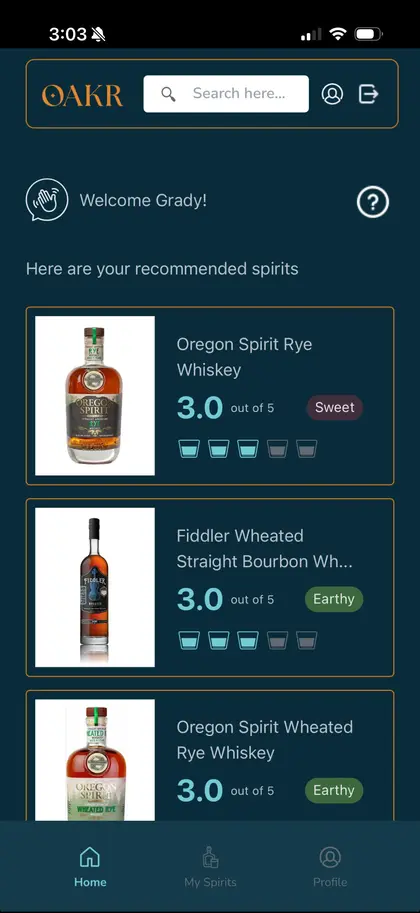
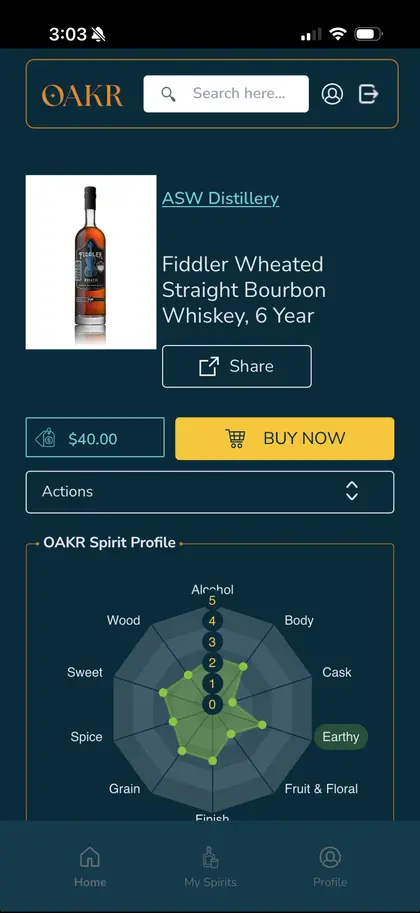
Before you commit $40-60 to a bottle built on organic grain and manual cuts, OAKR’s blind tasting panel can tell you whether Journeyman’s pot-still texture, organic grain character, and Michigan-matured profile is the kind of whiskey your palate rewards — or whether you’d be happier with something more polished and production-standardized. For a distillery this committed to doing things the hard way, the data is worth checking before the purchase.
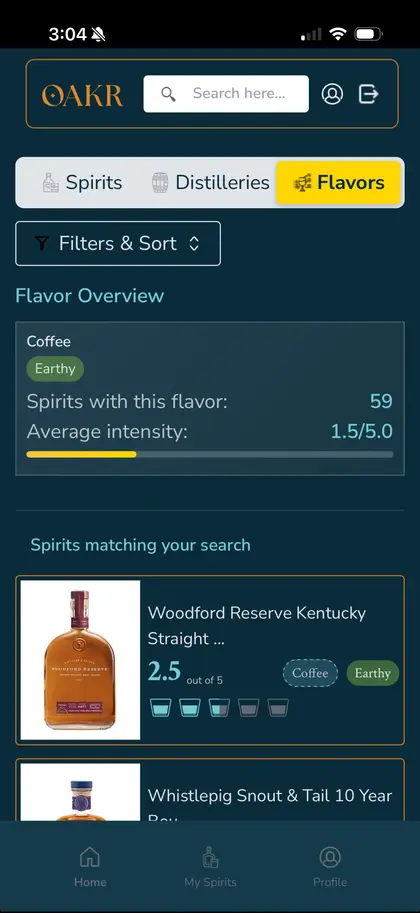
OAKR evaluates every expression across 100+ individual flavor notes in 10 macro categories. Your Spirit Match score tells you where Journeyman fits in your personal flavor map — before the bottle is open and the receipt is in the trash.
[Download OAKR free on iOS, Android, or web →]

Bourbon enthusiast, spirits industry analyst, and the voice behind OAKR's distillery guides, brand reviews, and bourbon education content. Visiting distilleries, dissecting mashbills, and translating the craft into data since 2024.



Organic grain, pot stills, Michigan climate. Your Spirit Match score maps Journeyman’s profile against your palate.