Who’s Actually Behind Redemption
Redemption showed up in 2010 with a simple, almost contrarian idea: bring rye back. At the time rye whiskey was a near-forgotten category, the stuff your great-grandfather drank before Prohibition wiped it out, and the founders, operating as Bardstown Barrel Selections, bet that America was ready to rediscover it. They were right, and they were early. Rye came roaring back, and Redemption rode the wave.
In 2015 the brand was bought by Deutsch Family Wine & Spirits, the big family company behind Yellow Tail wine, Josh Cellars, and a growing whiskey shelf that also includes Bib & Tucker and Masterson’s. That gave Redemption national muscle and distribution. Master blender Alan Kennedy, a former pastry chef and certified sommelier, has steered the whiskey since 2023, and the brand has leaned harder into its rye-forward identity, even relaunching its core bourbon at a higher 92 proof. So Redemption is a brand, not a distillery, with a clear point of view about one grain.
Where the Whiskey Really Comes From
Redemption is sourced whiskey, and it has never been shy about it, which makes it a textbook non-distiller producer. The juice is distilled at MGP in Lawrenceburg, Indiana, the old Seagram’s plant that supplies a huge share of America’s rye, then blended and bottled in Kentucky. That has been true since the start, and as of the most recent releases it is still the case, so if you ever heard a rumor that Redemption had jumped to a different distillery, the current bottles say otherwise.
This is actually a clean, honest sourcing story, which is why the chart below is a single source. Redemption leans on MGP’s celebrated rye recipes, including the classic 95 percent rye, and builds its identity through recipe choice and blending rather than juggling a dozen suppliers. Tap the slice to read the full story on MGP.
Source Split
Where Redemption gets its whiskey
Redemption sources its rye and bourbon from a single distillery, then blends and bottles in Kentucky. Tap the slice to read the full guide on the source.
What Redemption Actually Does With It
If MGP makes the spirit, what makes Redemption worth choosing over the dozens of other MGP brands on the shelf? Focus, mostly. While a lot of brands hide their rye behind corn, Redemption builds the whole portfolio around rye-forward recipes, from the 95 percent rye flagship to a high-rye bourbon that pushes the grain about as far as a bourbon mashbill legally can. That clarity of identity is the value, you always know what Redemption is going for.
The other piece is blending and barrel selection at the top end. Redemption’s limited and aged releases, blended in Kentucky from older MGP stock, are where the brand flexes. Its 18-year bourbon earned rave reviews, and an infamous 36-year bottling from 2017 later sold at auction for eighteen thousand dollars, which tells you the brand can reach for real prestige when it wants to, even without a still of its own.
The Lineup: What to Buy and Where to Start
Redemption keeps the everyday range simple and affordable.
Start with Redemption Rye, the 95 percent rye flagship at 92 proof, which usually sits around twenty-five to thirty dollars and is one of the better value ryes for a Manhattan or a Sazerac. From there, Redemption Bourbon, recently bumped to 92 proof, is the rye-forward bourbon for people who want bourbon sweetness with a spicy backbone. The High Rye Bourbon pushes the spice further, and there is a wheated version for the softer crowd. Most of the core lives in the twenty-five to forty dollar range, which is honest money for daily-drinker MGP whiskey with a clear personality.
The Bottles Worth Chasing
The interesting hunting is at the top. Redemption’s Aged Barrel Proof and limited releases, bottled at cask strength from older MGP barrels, are where the brand gets serious, and the well-reviewed 18-year bourbon is the current trophy. Cask-finished releases like the Cognac Cask round out the experimental end. None of these are wildly allocated, but the older barrel-proof bottles are made in small quantities and do not hang around, so grab one if you spot it.
Will You Actually Like It? Here’s the Only Way to Know
I could rattle off tasting notes, but I will spare you, because the notes you read online are one person’s palate on one night. Rye in particular splits people hard, that spicy, dill-and-pepper profile is a love-it-or-leave-it thing, and a stranger’s review will not tell you which camp you are in.
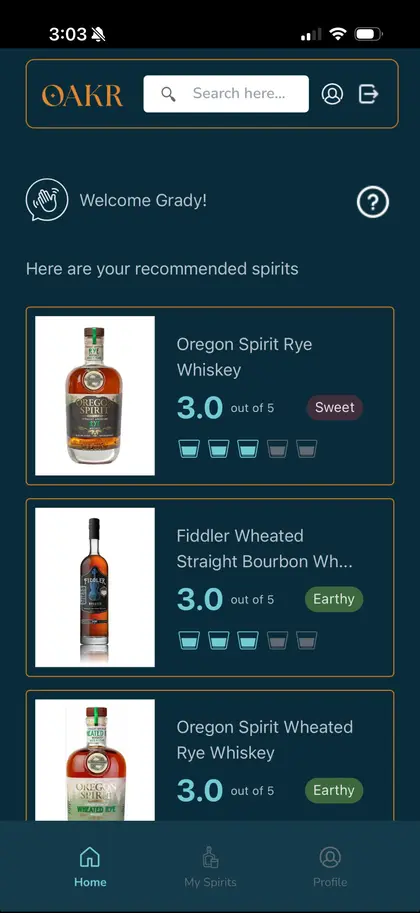
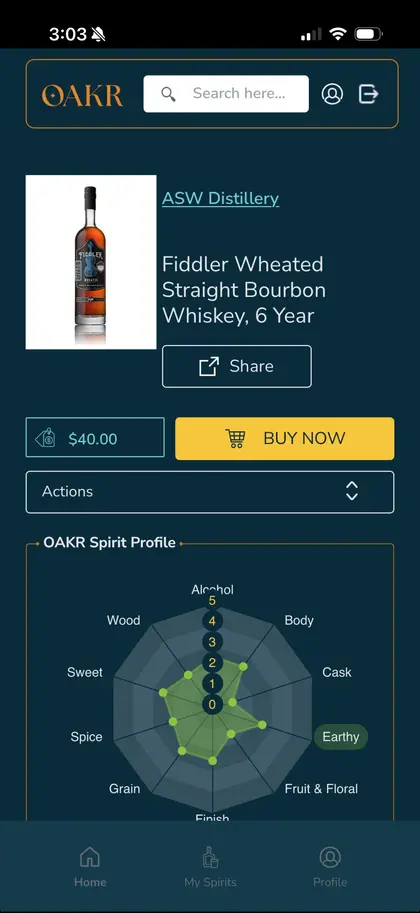
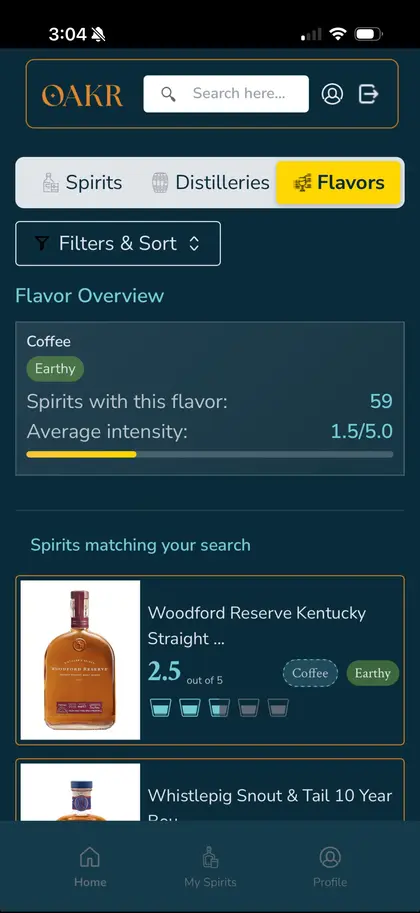
You might ask, “Grady, how do you know that?” Welp, one, I have been doing this a long time, and two, we built OAKR to answer it. Every bottle gets poured past a blind tasting panel and scored across more than a hundred flavor notes in ten big categories, no labels, no marketing in the room. Then the app reads your palate, the flavors you actually chase, and hands you a Spirit Match score for any bottle, the whole Redemption range included. So before you grab the Rye for cocktails or chase the 18-year, you find out whether that rye-forward style is your thing. That is the difference between buying a cheap bottle and buying the right cheap bottle.
Redemption Whiskey FAQ
Is Redemption Whiskey sourced?
Yes. Redemption is a brand, not a distillery. Its rye and bourbon are distilled at MGP in Lawrenceburg, Indiana, then blended and bottled in Kentucky.
Who makes Redemption Whiskey?
The whiskey is made at MGP in Indiana and the brand is owned by Deutsch Family Wine & Spirits, with Alan Kennedy as master blender. It was founded in 2010 and acquired by Deutsch in 2015.
Where is Redemption distilled?
At MGP’s Ross & Squibb distillery in Lawrenceburg, Indiana, with blending and bottling done in Kentucky.
Is Redemption worth the money?
The core rye and bourbon are strong value at their price, especially for cocktails. The aged barrel-proof releases like the 18-year are genuinely excellent for those who want to spend more. Value across the range is good.
What is the best Redemption to start with?
Redemption Rye for an affordable, spicy cocktail rye, or Redemption Bourbon if you want rye-forward bourbon. Run either through OAKR first to see how it matches your taste.
A Whiskey Is Only as Good as Your Palate Says It Is
Redemption bet on rye before rye was cool and turned solid MGP stock into a focused, affordable, rye-forward lineup with a few serious bottles up top. The only question left is whether that spicy style fits your taste, and that is exactly what OAKR was built to answer. Match your palate against Redemption on OAKR before you spend a dime.
[Download OAKR free on iOS, Android, or web →]