
Short answer, yes, and WhistlePig has never really hidden it. The whiskey that built this brand was not born in Vermont, it was born in Canada, and the man who found it, the late Dave Pickerell, went hunting for the best rye on the continent and came home with a Canadian secret. So the real questions are where the juice actually comes from, what a 500-acre Vermont farm adds to it, and whether any of it is worth the sticker. Pour a glass, because this one has a genuinely good story.

WhistlePig started, like a lot of great whiskey stories, with a guy who had more nerve than sense. In 2007 an entrepreneur named Raj Bhakta bought a 150-year-old dairy farm in Shoreham, Vermont, 500 acres of grass, maple trees, and eventually a couple of Kunekune pigs named Mortimer and Orwell. The brand name comes from an old country word for a groundhog, which is about as Vermont as it gets. Bhakta did not want to make ordinary whiskey. He wanted to make great rye, and for that he needed a ringer.
He found one in Dave Pickerell, the master distiller who had spent fourteen years running the still at Maker’s Mark before going out on his own. Pickerell went looking for the best aged rye he could get his hands on and found it in Canada, a stash of 100 percent rye that most people were using for blending fodder. That became the first WhistlePig, and Pickerell became the soul of the brand until his sudden death in 2018, a loss the whole industry felt. Bhakta sold out and exited in 2019, and in 2020 Moet Hennessy took a minority stake to push the brand overseas.
Here is the part people forget, though. WhistlePig is not purely a buy-and-bottle operation anymore. In 2015 they fired up two 750-gallon pot stills in a converted barn and started making their own rye from grain grown on the farm, with farm water and even farm oak. So the company is mid-transformation, from a non-distiller producer into something closer to a true farm-to-bottle distillery. They are not all the way there yet, but they are further down that road than almost any sourced brand you can name.
This is the question that launched a thousand forum threads, and a class-action lawsuit, so let me be plain. WhistlePig is sourced whiskey, at least most of it, and the heart of it has always been Canadian.
The original and still primary source is Alberta Distillers Limited, the Canadian house famous for making excellent 100 percent rye on big pot stills. That stock is the reason early WhistlePig tasted like nothing else on an American shelf, spicier and more savory than the corn-sweet ryes most drinkers knew. The other confirmed source is MGP in Indiana, whose 95 percent rye is the backbone of the famous 12-year Old World finished expressions. And then there is the growing pour of WhistlePig’s own Vermont-distilled rye, which shows up most in the FarmStock series. Early on, the brand caught heat for not shouting the Canadian origin loudly enough, a suit that was eventually dropped, and these days they are refreshingly open about the whole supply chain.
One honest note on the chart below, and the reason the slices are even instead of exact. Nobody outside the blending room knows the true proportions, and Alberta does not have its own OAKR guide because it sits north of the border, so that slice is shown but not clickable. The MGP slice will take you to the full story on the quiet Indiana giant.
Source Split
These are the distilleries behind WhistlePig’s sourced bottles. Slices are shown evenly because exact blend proportions aren’t public, and the badge shows how confident the sourcing is. WhistlePig also distills its own rye in Vermont now, a share that keeps growing. Tap a linked slice to read the full guide.
If sourced whiskey makes you wrinkle your nose, WhistlePig is the brand I point to first. Buying good barrels is the easy part. Knowing what to do with them is the whole game, and this is where the Vermont farm earns its keep.
Three things set WhistlePig apart. First, they chase aged rye specifically, a grain that is genuinely hard to get right and often sharp or bitter when young but glorious when it gets old, the way a great old Bordeaux deepens. Second, they finish like maniacs, resting rye in Port, Sauternes, and Madeira casks for the Old World line, and even in oak cut from their own Vermont trees for the 15-year. That estate oak is a real trick, since for most of whiskey history American law basically forced everyone into the same new barrels. Third, they now distill, which means the brand is slowly answering the sourcing question by out-growing it.
Add it up and WhistlePig is not slapping a label on someone else’s barrel. They are selecting unusual rye, marrying and finishing it into things the source distilleries would never have bottled, and increasingly making the base spirit themselves.
WhistlePig is mostly a rye house, so the ladder is simpler than a sprawling bourbon brand, but the prices climb fast.
Start with the 10 Year Small Batch Rye. This is the bottle that started it all, 100 proof, built on that Canadian 100 percent rye, and it still tastes like nothing else, all baking spice and dill and a wasabi-like tickle that tells newcomers they are not in bourbon country anymore. It lands around eighty dollars, which is the one fair knock on it, but as an introduction to what serious aged rye can do, it is the rung to grab.
From there it forks. The 12 Year Old World is the MGP-sourced, triple-finished one for people who like their rye fruity and dressed up. PiggyBack 6 Year Rye was Dave Pickerell’s last creation, a punchy 100 percent rye built for cocktails at a friendlier price, and there is a WhistlePig bourbon in the family too for the corn crowd. FarmStock is where you taste the actual Vermont distillate creeping into the blend, the brand showing its homework.
At the top of the mountain sits The Boss Hog, WhistlePig’s annual single-barrel flex, a different concept every year finished in increasingly wild casks and bottled at cask strength. It runs into the high hundreds and sometimes past a thousand, so it is not top shelf pricey, it is explain-the-credit-card-statement pricey. The very old stuff, the 18 Year and the rare 21-year single malt, lives up there too.
Down at ground level, the value play is a WhistlePig single-barrel store pick from a sharp retailer, since a good one can outshine the standard release for similar money. None of this is locked away the way some allocated bourbon is, but the best bottles still move, so do not dawdle when one you want shows up.
I could rattle off tasting notes here, but I am not going to, because the notes you read online are a record of someone else’s tongue on one particular night. That is close to useless for predicting whether you, specifically, will love a bottle or quietly regret it.
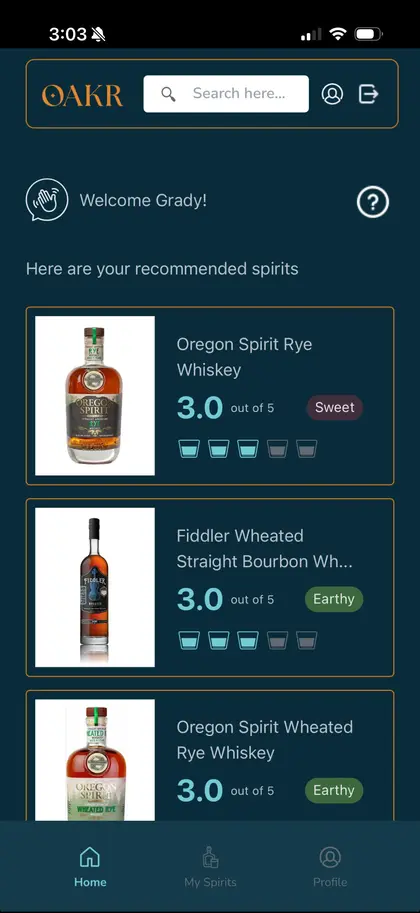
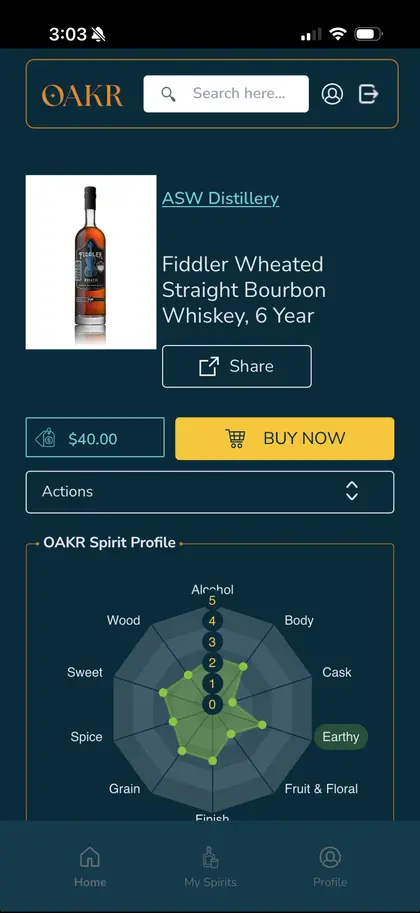
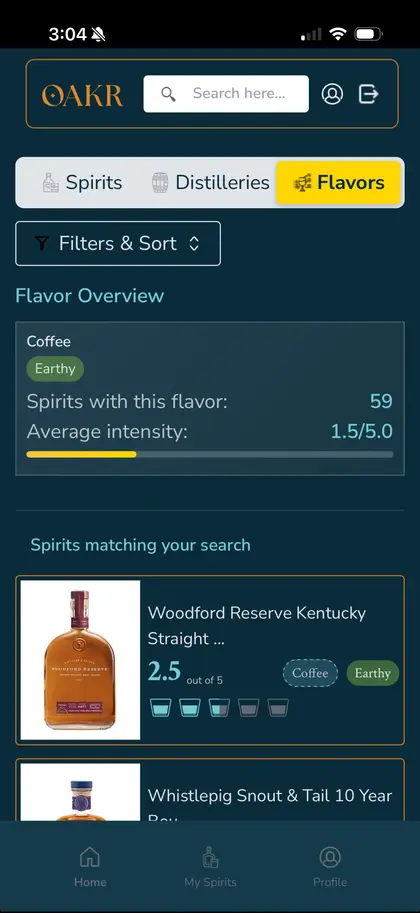
You might ask, “Grady, how do you know that?” Welp, one, I have been doing this a long time, and two, we built OAKR to fix exactly this. Every bottle gets poured past a blind tasting panel and scored across more than a hundred flavor notes in ten big categories, no labels, no marketing in the room. Then the app reads your palate, the flavors you actually chase, and hands you a Spirit Match score for any bottle, WhistlePig’s spicy rye included. So before you drop eighty bucks on a 10 Year or way more on a Boss Hog, you find out whether that big savory rye profile is your thing or somebody else’s. That is the difference between collecting bottles and drinking well.
Is WhistlePig sourced?
Mostly, yes. The whiskey that built the brand is aged rye sourced from Alberta Distillers in Canada, with some MGP rye in the finished expressions. Since 2015 WhistlePig also distills its own rye in Vermont, and that share keeps growing.
Who makes WhistlePig?
The brand was founded by Raj Bhakta in 2007 and shaped by the late master distiller Dave Pickerell. The sourced distillate comes primarily from Alberta Distillers in Canada and MGP in Indiana, while WhistlePig’s own distillery is in Shoreham, Vermont.
Where is WhistlePig distilled?
Historically in Canada and Indiana. Today an increasing portion is distilled on WhistlePig’s own farm in Shoreham, Vermont, on a pair of 750-gallon pot stills.
Is WhistlePig worth the money?
The 10 Year is a genuinely distinctive rye, though the price is steep for the category. The Boss Hog and very old releases are spectacular but built for collectors, so worth comes down to your wallet and your palate.
What is the best WhistlePig to start with?
The 10 Year Small Batch Rye if you want the bottle that defines the brand, or PiggyBack 6 Year if you want a punchier, cheaper rye for cocktails. Run either through OAKR first to see how it matches your taste.
WhistlePig took a Canadian secret, a Vermont farm, and one stubborn master distiller and turned sourced rye into one of the most decorated names in whiskey. The only question left is whether that bold, spicy style fits your taste, and that is exactly what OAKR was built to answer. Match your palate against WhistlePig’s full range on OAKR before you spend a dime.
[Download OAKR free on iOS, Android, or web →]

Bourbon enthusiast, spirits industry analyst, and the voice behind OAKR's distillery guides, brand reviews, and bourbon education content. Visiting distilleries, dissecting mashbills, and translating the craft into data since 2024.
WhistlePig swings for bold, savory rye. OAKR’s blind-panel flavor data shows you whether that style actually fits your taste.