
Short answer, yes, every single drop. Barrell Craft Spirits has never run a still in its life, and that is the entire point of the brand. Founder Joe Beatrice built this thing to do one job better than almost anybody, buy excellent barrels from other people and blend them into something the original distilleries would never have bottled on their own. So the question was never really "is it sourced." The real one is "sourced from where, and is the person doing the blending actually any good at it." I have strong feelings about both. Pour something and let me walk you through it.
Joe Beatrice did not come up through a distillery. He came up through marketing and tech, started an internet company called Blue Dingo Digital back in the 1990s, and brewed beer at home for fun. In 2013 he set up shop in Louisville with an idea that sounded a little crazy at the time, build a serious American whiskey brand without distilling a thing. Barrell is, in the plainest terms, a non-distiller producer, and Joe has spent a decade making that label sound like a compliment instead of an insult.
His inspiration came from Scotland, where independent bottlers have spent generations buying casks from distilleries and bottling them under their own name, and where a master blender earns the same respect as a master distiller. Joe looked at that and asked the obvious question, why doesn’t America have this. Then he went and built it.
He did not do it alone. Tripp Stimson, who first crossed paths with Joe blending whiskey over at Kentucky Artisan Distillery, runs operations. Nic Christiansen leads the blending bench and the single barrel program. The team works with somewhere around 65 suppliers scattered around the world, keeps hundreds of barrels on hand to play with at any given moment, and in 2023 dropped fifteen million dollars on a new blending facility in Jeffersontown with eight tanks and 64,000 gallons of capacity, plus an 18,000-barrel rickhouse down the road to rest and age stock. For a company that does not distill, that is a serious pile of infrastructure pointed at exactly one thing, flavor. You will find Barrell on shelves in just about every state in the country now.
Here is the part everybody actually wants to know. Barrell is sourced whiskey, and the company has been refreshingly upfront about it, which in this category is rarer than it should be.
The juice comes from a short list of the biggest and best contract houses in the country. A lot of it is Indiana whiskey out of MGP in Lawrenceburg, the quiet giant that supplies a huge slice of the brands on your shelf. A good chunk is Tennessee whiskey, very likely from George Dickel over at Cascade Hollow. And there is Kentucky stock in the mix too, including barrels tied to Bardstown Bourbon Company, one of the new-school contract powerhouses. Some of the rye even rides down from Canada. Early batches of Dovetail were built on ten-year-old MGP whiskey married to eleven-year-old Dickel, which tells you exactly how Barrell shops, old and good, wherever it happens to live.
Now the honest caveat, and the reason the chart below shows even slices instead of exact percentages. Nobody outside the blending room knows the true proportions, and Barrell is not publishing them, partly because the blend shifts batch to batch by design. So what you are looking at is the known cast of suppliers and how confident we are in each one, not a precise recipe. Tap any slice to read the full story on that distillery.
Source Split
These are the distilleries known to supply this brand. Slices are shown evenly because exact blend proportions aren’t public; the texture and badge show how confident the sourcing is. Tap or hover a slice, then click through to the full guide on each distillery.
If your reflex is to sniff at sourced whiskey, I get it, but Joe Beatrice would like a word, and so would history. Back in the 1800s the people who bought and bottled other folks’ whiskey were called rectifiers, and plenty of them were crooks who cut the barrel with grain neutral spirit, prune juice, and, no joke, the occasional spittoon. That reputation clung to American blending for a hundred years. Meanwhile in Scotland, blending stayed an honored craft with its own master blenders. Barrell is a big reason the American version finally clawed its respect back.
So what does the brand do that earns your money instead of sending you straight to the source? Three things. It selects, pulling specific barrels out of enormous lots most drinkers never get to taste. It blends, marrying whiskey from different states and ages into something none of the source distilleries would have made alone. And it finishes, resting that blend in a wild rotation of secondary casks, then bottling the whole thing at cask strength with no water added and no apology offered.
Take Dovetail. It is Tennessee, Indiana, and Kentucky whiskey finished in rum, port, and Dunn Vineyards cabernet barrels, all at once. No single distillery on earth makes Dovetail, because Dovetail is an idea, not a distillate. That is the value Barrell adds, and it is real work, not a fancy sticker slapped on someone else’s bottle.
Barrell runs a good, better, best ladder, and it is easy to get lost on it, so here is the map.
Start at the bottom, and I do not mean that as a knock. Barrell Foundation is the brand’s first and only release that is not bottled at full proof, built to be consistent and approachable and to sit around sixty bucks. It is the one I hand people who think blends are a gimmick, and reviewers have parked it around 91 points for good reason.
Step up to the numbered cask strength stuff, the core Barrell Bourbon and Barrell Rye batches. Each batch is its own animal, blended fresh and bottled north of 100 proof, so Batch 034 will not taste identical to the batch before it. That is a feature, not a bug. If you want a true baseline for what Barrell does at full strength, this is the rung.
Then come the named finished expressions, the ones that made the brand famous. Dovetail (rum, port, cabernet), Seagrass (a rye finished in Martinique rhum, Madeira, and apricot brandy that took Double Gold in San Francisco), Armida (which won Best Barrel-Aged Bourbon at the LA Spirits Awards), and Vantage, a bourbon built on three different cask finishes. Most of these land in the eighty to ninety dollar range, and any one of them will show you why people lose their minds over this brand.
If the standard line is the fun part, the top of the ladder is where the obsessives live.
Once a year Barrell drops Gray Label, the same ideas as the core range but built from older, rarer stock and priced to match, usually around two hundred fifty dollars. Gray Label Dovetail, for instance, swaps in whiskey aged up to twenty years plus a slug of old Canadian stock and jumps past 131 proof. Above even that sits Gold Label, the ultra-rare tier Barrell created specifically to fill the three hundred to twelve hundred dollar gap they spotted in American whiskey. Gold Label Seagrass is a twenty-year rye that runs five hundred dollars a bottle. That is not top shelf pricey, that is sleep on the couch pricey.
Then there are the single barrel store picks, where a shop buys one specific barrel and puts its own name on it. Those are the lottery tickets, and a sharp Barrell pick from a good retailer can be the best value the brand makes. The New Year batches that drop every December have their own cult following too. None of this is allocated to the point of insanity, but the good ones move, so when you see one you want, this is not the time to “think about it.”
I could sit here and rattle off tasting notes, but I am not going to, and here is why. The tasting notes you read online are a record of somebody else’s tongue. They tell you what one reviewer tasted on one night, which is close to useless for predicting whether you will love a bottle or pour it down the sink.
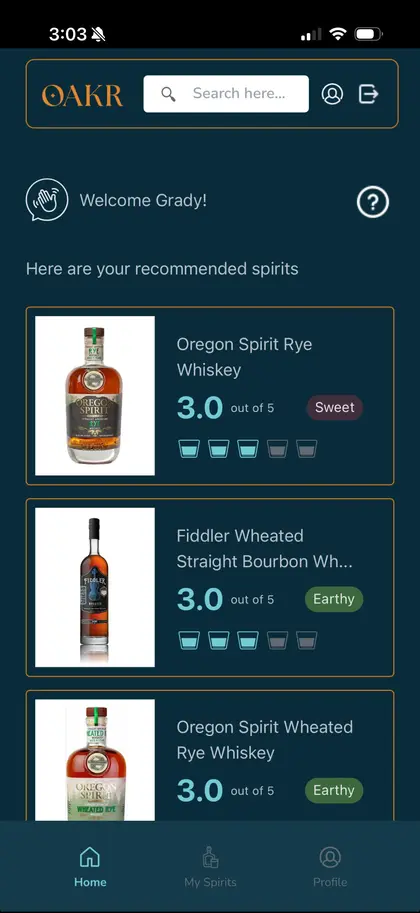
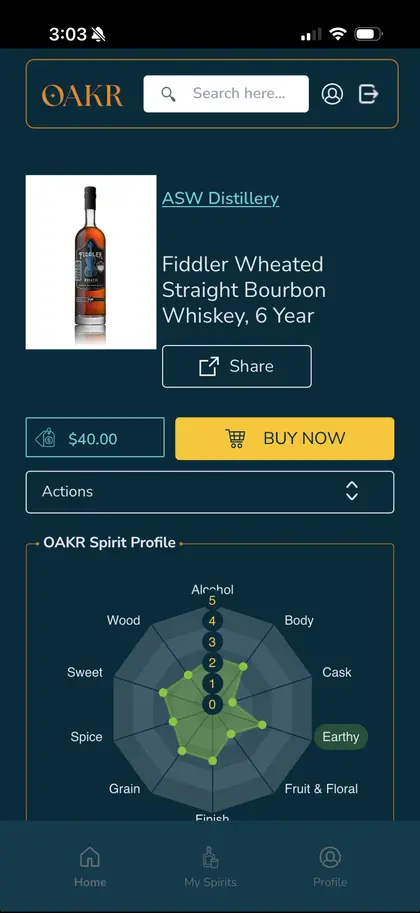
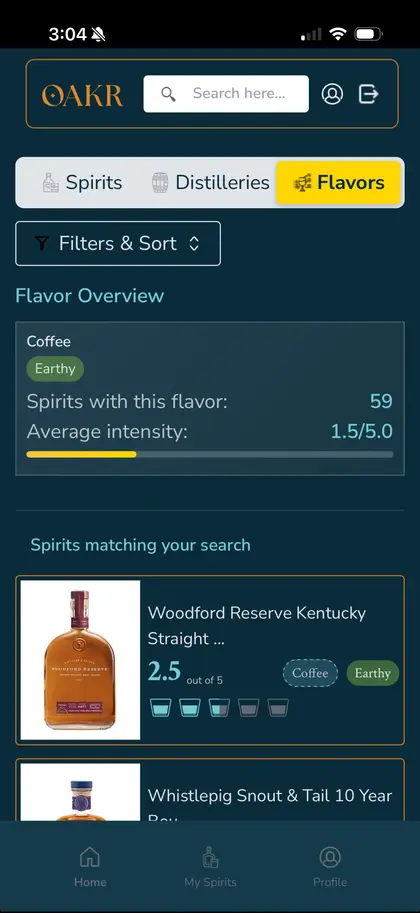
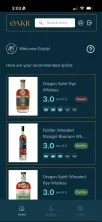
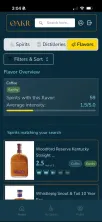
You might ask, “Grady, how do you know that?” Welp, one, I have been doing this a long time, and two, we built OAKR specifically to fix it. Every bottle gets run past a blind tasting panel and scored across more than a hundred flavor notes in ten big categories, no labels, no hype, no marketing allowed in the room. Then the app takes your palate, the flavors you actually chase, and hands you a Spirit Match score for any bottle, Barrell’s whole range included. So instead of buying a sixty dollar Foundation or a ninety dollar Seagrass on a stranger’s say-so, you find out first whether it lines up with what your mouth likes. That is the whole difference between collecting bottles and drinking well.
Is Barrell Craft Spirits sourced?
Yes, completely. Barrell does not distill any of its own whiskey. It buys aged barrels from established distilleries, then blends and finishes them in Louisville.
Who makes Barrell Craft Spirits?
The brand was founded by Joe Beatrice in 2013, and the blends are designed by his team in Kentucky. The distillate itself comes from contract distilleries, primarily MGP in Indiana, George Dickel in Tennessee, and Kentucky houses including Bardstown Bourbon Company.
Where is Barrell bourbon distilled?
In several places at once, which is the entire idea. A single Barrell blend can contain whiskey distilled in Indiana, Tennessee, Kentucky, and even Canada, then blended and bottled in Louisville.
Is Barrell worth the money?
The entry releases like Foundation and the core cask strength batches are easy to recommend. The Gray Label and Gold Label tiers are spectacular but priced for collectors, so whether they are worth it comes down to your wallet and your palate.
What is the best Barrell bottle to start with?
Foundation if you want easy and affordable, a numbered Barrell Bourbon batch if you want the full cask strength experience. Run either through OAKR first to see how it matches your taste.
Barrell builds bold, high-proof, sourced whiskey that breaks every old rule about what blending is allowed to be. The only question left is whether a given bottle fits your taste, and that is exactly what OAKR was built to answer. Match your palate to Barrell’s entire range on OAKR before you spend a dime.
[Download OAKR free on iOS, Android, or web →]

Bourbon enthusiast, spirits industry analyst, and the voice behind OAKR's distillery guides, brand reviews, and bourbon education content. Visiting distilleries, dissecting mashbills, and translating the craft into data since 2024.

Barrell builds bold, high-proof blends. OAKR’s blind-panel flavor data shows you which one actually fits your taste.