
Short answer, yes, and High West never tried to bury it. This is a brand that launched by openly blending other people's barrels, which in this business counts as refreshingly honest. A biochemist named David Perkins built it in a Utah ski town, and he was upfront from day one that you cannot sell aged whiskey on opening day without buying some. Today certain products are primarily distilled by High West, but it changes bottle to bottle. So the real questions are which distilleries fill those bottles, what High West's famous blending actually adds, and whether the result earns your money. Pour one and let me walk you through it.
High West is the rare sourced brand that started with a biochemist and a chairlift. David Perkins was working in the biotech world when he toured a Kentucky distillery around 2001, looked at the fermentation and distillation happening in front of him, and realized it was basically the science he already did for a living. That was the spark. He and his wife Jane moved the family to Park City, Utah, and in 2006 opened High West, the first legal distillery in the state since 1870, back when Salt Lake City’s main drag was literally called Whisky Street.
The first home was a restored 1908 livery stable and garage at the bottom of a ski run, which makes the original Park City spot the world’s first ski-in gastro-distillery. You really can clip out of your bindings and order a pour. They started small, a 250-gallon still in 2007, then opened the big Blue Sky Ranch distillery up in Wanship in 2015 with a 1,600-gallon still where most production happens now under master distiller Brendon Coyle. In 2016 Perkins sold to Constellation Brands, which is why you can find those wild-west labels in all fifty states and a whiskey bar in Switzerland. Some Utah locals grumbled that he sold out. Everybody else just got easier access to the whiskey.
The thing to understand about High West is that it was a blending house from day one, not a distillery that happened to buy some stock. Perkins built the brand on the idea that great whiskey could be assembled, not just distilled, and he did it openly.
High West is sourced whiskey, and unlike a lot of brands that got cagey about it, High West basically waved the flag. When they launched, they wanted to sell aged whiskey immediately, and a brand-new distillery obviously cannot have a sixteen-year-old rye sitting around. So they bought great barrels and blended them well, which made them one of the more honest non-distiller producers in the business.
Two confirmed sources do the heavy lifting. The first is MGP in Indiana, whose high-rye recipes show up all over the lineup. The second is Barton 1792 in Kentucky, which supplied the older, lower-rye stock that made the early Rendezvous Rye sing. The very first High West release, in fact, was Rendezvous Rye, a marriage of a young 95 percent MGP rye and a sixteen-year 80 percent Barton rye, and it won a Double Gold its debut year. On top of that sourced base, High West blends in its own Utah distillate, more of it every year as the Wanship stock matures.
Quick honest note on the chart below. The slices are even because High West does not publish exact blend ratios, and the proportions shift by batch and by expression anyway. Both sources are confirmed and both link through to the full guide. Tap a slice to go deeper.
Source Split
These are the distilleries behind High West’s sourced bottles. Slices are shown evenly because exact blend proportions aren’t public, and the badge shows how confident the sourcing is. High West also distills its own whiskey in Wanship, Utah, a share that keeps growing. Tap a slice to read the full guide on each source.
Perkins called his approach voodoo blending, and the name fits. The craft at High West is not running a still, it is the marrying, taking ryes and bourbons of different ages and mashbills from different states and combining them into something none of the source distilleries would have shipped on their own.
The clearest proof is Campfire, which blends bourbon, rye, and peated Scotch into one glass. That is not a thing you stumble into. Somebody with a biochemist’s patience tasted his way there. Same story with Bourye, a literal bourbon-and-rye mashup, and with the way Rendezvous balances a spicy young rye against a mellow old one. High West also finishes for effect, most famously the port and French oak treatment on its winter unicorn. The point is that the blending bench is the product here, and increasingly the house distillate is part of the recipe rather than a marketing footnote.
High West runs a tidy core range that is easy to navigate once you know the shape of it.
If you want the most approachable entry, start with American Prairie Bourbon, a sourced, blended bourbon that sits in friendly territory both in flavor and around forty to fifty dollars, with a chunk of proceeds going to conservation. From there, Double Rye! is the workhorse, a blend of a young spicy rye and an older one that punches above its price and makes a killer cocktail. Rendezvous Rye is the brand’s calling card and the more refined of the two ryes.
Then come the personality bottles. Campfire is the bourbon-rye-Scotch oddball that people either adore or find baffling, and it is worth tasting once just to understand what blending can do. Most of the core lineup lives between forty and seventy dollars, which for sourced whiskey blended this thoughtfully is honest money.
The white whale is A Midwinter Night’s Dram, a limited release of Rendezvous Rye finished in port and French oak barrels that drops once a year in numbered acts and scenes. It is the bottle High West fans set calendar reminders for, and secondary prices climb well past retail. Collaboration releases like The Noble Share, a rye finished in Casa Noble tequila barrels, scratch the same itch for people chasing something unusual.
None of this is as savagely allocated as some Kentucky unicorns, but the Midwinter especially moves fast every winter, so if you want one, do not stand around thinking about it.
I could list tasting notes, but I will spare you, because the notes you read online are a record of somebody else’s palate on one random evening. That tells you almost nothing about whether you will love a bottle or leave it half-full on the shelf.
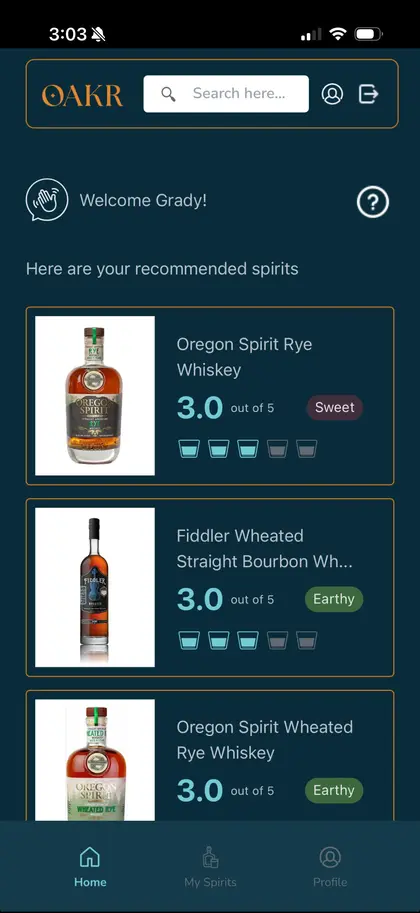
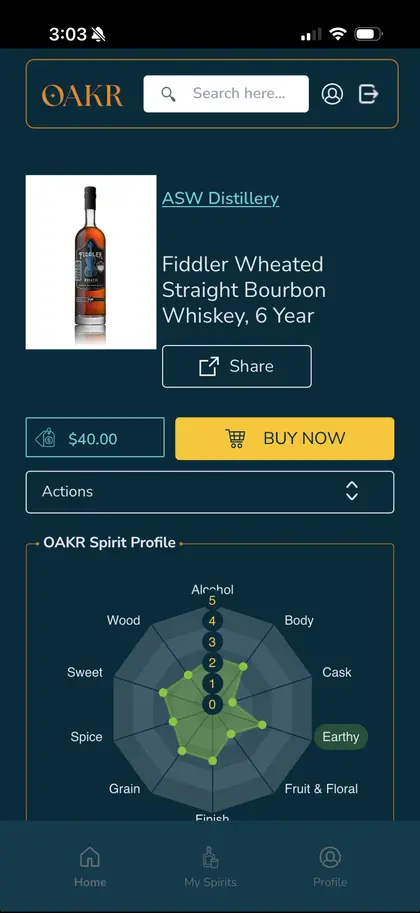
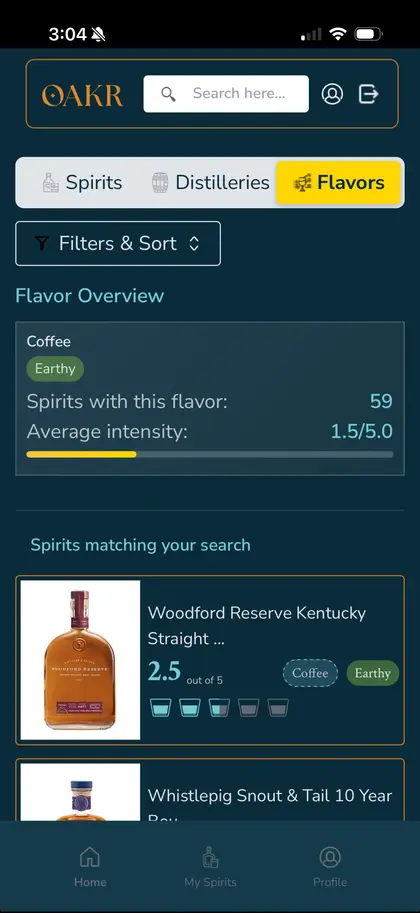
You might ask, “Grady, how do you know that?” Welp, one, I have done this a long time, and two, we built OAKR precisely to answer it. Every bottle gets poured past a blind tasting panel and scored across more than a hundred flavor notes in ten big categories, no labels, no hype in the room. Then the app reads your palate, the flavors you actually go for, and gives you a Spirit Match score for any bottle, the whole High West range included. So before you grab a Double Rye! for cocktails or hunt down a Midwinter, you find out whether High West’s blending style actually lines up with your taste. That is the line between collecting whiskey and drinking well.
Is High West sourced?
Yes, and High West has always been open about it. The brand blends sourced whiskey, primarily from MGP in Indiana and Barton in Kentucky, with its own Utah-distilled spirit, a portion that grows as the Wanship distillery’s stock ages.
Who makes High West?
High West was founded by biochemist David Perkins and his wife Jane in 2006, and has been owned by Constellation Brands since 2016. The sourced distillate comes from MGP and Barton; the house spirit is made in Wanship, Utah.
Where is High West distilled?
The sourced whiskey is distilled in Indiana and Kentucky. High West’s own whiskey is distilled in Utah, originally in Park City and now mostly at the Blue Sky Ranch distillery in Wanship.
Is High West worth the money?
For thoughtfully blended sourced whiskey, the core range is fairly priced, with bottles like Double Rye! and American Prairie offering real value. The Midwinter Night’s Dram is a splurge driven as much by scarcity as quality.
What is the best High West to start with?
American Prairie Bourbon for an easy, affordable entry, or Double Rye! if you want the cocktail workhorse. Run either through OAKR first to see how it matches your taste.
High West turned open, honest sourcing and a biochemist’s eye for blending into one of the most respected names in American whiskey, all from a ski town in Utah. The only question left is whether that blending style fits your taste, and that is exactly what OAKR was built to answer. Match your palate against High West’s full range on OAKR before you spend a dime.
[Download OAKR free on iOS, Android, or web →]

Bourbon enthusiast, spirits industry analyst, and the voice behind OAKR's distillery guides, brand reviews, and bourbon education content. Visiting distilleries, dissecting mashbills, and translating the craft into data since 2024.
High West blends across states, ages, and grains. OAKR’s blind-panel flavor data shows you which of its whiskeys actually fits your taste.