Location and History: From Ski-Town Startup to Constellation Brands
High West was founded in 2006 by David Perkins, a former biochemist who left the pharmaceutical industry to make whiskey in Park City, Utah. The original distillery was on Main Street in Park City — a ski-town location that was equal parts production facility and tourist attraction. It was the first distillery in Utah since Prohibition.
Perkins’ biochemistry background shaped High West’s approach from the start. Rather than trying to compete with Kentucky on straight bourbon production (a game that requires decades of aged inventory to play credibly), he built a model around sourcing, blending, and finishing — applying a scientist’s approach to combining whiskeys from different producers into something greater than the sum of its parts.
In 2016, Constellation Brands — the beverage conglomerate that owns Corona, Modelo, Robert Mondavi, and dozens of other brands — acquired High West. Perkins departed after the acquisition. The production and blending decisions are now managed by High West’s internal team, with Master Distiller Brendan Coyle overseeing both the blending program and the growing amount of whiskey distilled at their own Blue Sky Ranch facility in Wanship, Utah.
Blue Sky Ranch: High West’s Own Distillery
The Blue Sky Ranch facility, about 25 minutes from Park City, is where High West is building its self-distilled inventory. The operation includes a column still and a pot still, and they’re producing their own bourbon and rye whiskey on-site. Over time, the proportion of self-distilled whiskey in High West’s blends will increase — but the blending-house identity isn’t going away. It’s the core of the brand.
Mashbills and Yeast: Blended From Multiple Sources
High West’s products are blended from whiskeys distilled at multiple facilities — historically including MGP in Indiana (a primary source for aged rye and bourbon), Barton in Kentucky, and their own Blue Sky Ranch distillery. Each source contributes whiskey made from different mashbills, different yeast strains, and different distillation equipment. The blending team’s job is to combine these into products with specific, consistent flavor profiles.
This means the “mashbill” for any given High West product isn’t a single recipe — it’s a blend of recipes. The Double Rye, for example, combines a younger, spicier rye (likely from Blue Sky Ranch or another source) with an older, smoother rye (historically from MGP). The flavor of the finished product comes from the interaction between the two components, not from either one alone.
High West’s most distinctive products — Campfire (bourbon + rye + peated scotch-style whiskey), Bourye (bourbon + rye, a category High West essentially invented), and Midwinter Night’s Dram (rye finished in port barrels) — are all blending innovations. They exist because someone asked “what happens if we combine these things that aren’t normally combined?” and the answer turned out to be delicious.
Bourbon Stills and Production: Blue Sky Ranch and the Blending Floor
High West’s own production facility runs both column and pot stills, producing bourbon and rye whiskey from grain. The column still produces lighter, cleaner distillate suited for blending. The pot still produces heavier, more characterful distillate that can anchor a blend. Having both gives the blending team more tools.
The actual competitive advantage at High West isn’t the still — it’s the blending room. Brendan Coyle and the blending team taste, evaluate, and combine barrels from multiple sources to create each product. The decisions about which barrels to include, in what proportions, and with what finishing treatments are the creative core of the operation.
Barrels and Aging: Utah Climate and Finishing Casks
Whiskey aged at Blue Sky Ranch in Utah experiences a high-elevation, semi-arid climate with significant temperature swings. The altitude (roughly 6,000 feet) affects barrel interaction differently than low-elevation aging — lower atmospheric pressure at altitude can change how the spirit interacts with the wood. The dry climate drives higher evaporation rates than humid Kentucky, concentrating the remaining liquid.
High West’s cask-finishing program is responsible for their most sought-after products. Port Finish (Midwinter Night’s Dram): Rendezvous Rye finished in port wine barrels. The port contributes dried fruit, plum, raisin, and a vinous sweetness that transforms the rye’s spice into something warm and holiday-spiced. One annual release. Extremely allocated.
The Campfire Blend: Not a cask finish but a blending innovation — bourbon, rye, and peated scotch-style whiskey combined. The peat smoke from the scotch-style component adds a campfire quality that’s polarizing and completely unique in the American whiskey market.
About the Distillers: Brendan Coyle and the Post-Perkins Era
Brendan Coyle serves as Master Distiller and is the primary creative force behind High West’s current production. His role spans both the distillation at Blue Sky Ranch and the blending program that defines the brand. Coyle inherited a blending-house model from Perkins and has continued to evolve it — increasing the proportion of self-distilled whiskey in the blends while maintaining the sourcing relationships that provide the aged inventory the brand depends on.
Flagship Products: The Buying Guide
High West Bourbon — ~$35, 92 proof. The entry point. A blend of straight bourbons, formerly sold as American Prairie. Vanilla, caramel, light fruitiness. Approachable, reliable, cocktail-friendly.
Double Rye — ~$35, 92 proof. The calling card. Two rye whiskeys blended — one young and spicy, one older and smoother. Cinnamon, mint, black pepper, botanical notes. If you try one High West product, try this one.
Rendezvous Rye — ~$60, 92 proof. The premium rye. A blend of older straight rye whiskeys. Same spice foundation with added layers of dried fruit, leather, and molasses. A sipping rye that rewards attention.
Campfire — ~$45, 92 proof. The wild card. Bourbon + rye + peated scotch-style whiskey in one bottle. Sweet bourbon caramel, rye spice, campfire smoke. Nothing else on the market tastes like this.
A Midwinter Night’s Dram — ~$100 retail, $200+ secondary, varies. The annual unicorn. Rendezvous Rye finished in port barrels. Plum, raisin, cinnamon, holiday spice. Legitimately delicious and worth retail price. Released once per year, sells out immediately.
Bourye — limited, ~$70+. The blend High West invented — bourbon and rye combined. Sweet and spicy in a single pour.
The Blend Is the Brand
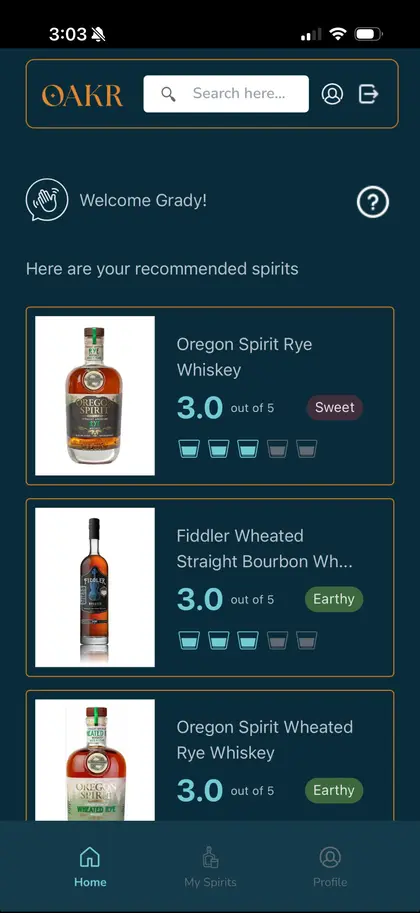
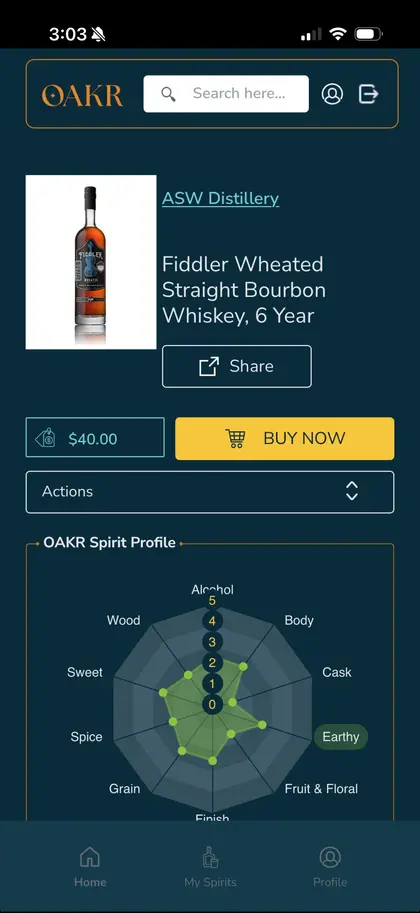
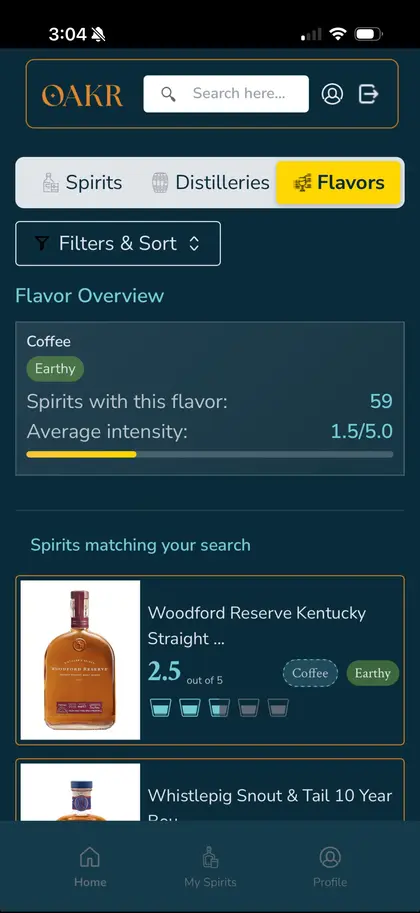
OAKR’s blind tasting panel scores every whiskey across more than 100 flavor notes, organized into 10 macro categories. No blend-versus-single-barrel ideology, no Constellation Brands corporate context — just the liquid. Add a few bottles you already know you love, and the AI shows you which High West expression matches your palate profile. You stop buying the one with the coolest name and start buying the one that actually fits.
[Download OAKR free on iOS, Android, or web →]