
Short answer, yes, and increasingly no. Pinhook began as sourced MGP whiskey, but since 2017 it has been distilling its own bourbon and rye at the historic Castle & Key distillery, making it one of the more interesting transition stories in whiskey. Founded by a sommelier, Pinhook treats every annual release like a wine vintage, blended to be the best of that year's barrels rather than a fixed recipe. Pour one and let me walk you through who really makes it and whether the vintage approach is for you.
Pinhook is what happens when a wine guy falls for bourbon. Co-founder Sean Josephs is a certified sommelier who ran some of New York’s best whiskey bars before launching Pinhook in 2010 with friends Charles Fulford and Jay Peterson. From that wine background came the brand’s whole idea: instead of chasing one identical flavor year after year, Pinhook releases annual vintages, each one blended and proofed to be the best version of that particular batch of barrels, just like a winery bottling a 2019 versus a 2020.
The name comes from horse racing. A pinhooker buys young thoroughbreds and raises them to racing maturity, and Pinhook treats barrels the same way, nurturing young whiskey toward its peak. Every release is named for a real up-and-coming racehorse, with labels styled after jockey silks. It is one of the more genuinely thoughtful concepts in the category, and the bourbon behind it has earned a real bartender following.
Pinhook is a non-distiller producer in transition, which makes its sourcing a two-part story. From 2011 onward, Pinhook was sourced whiskey, built on barrels from MGP in Indiana. Those MGP barrels still power Pinhook’s acclaimed Vertical Series, including its well-aged bottles, so MGP is very much still in the mix.
The bigger shift came in 2017, when Pinhook teamed up with Castle & Key, the gorgeously restored Old Taylor distillery in Frankfort, and began distilling its own proprietary bourbon and rye mashbills there. Since 2020, the core flagship vintages have been Castle & Key-distilled, and all Pinhook barrels, MGP and Castle & Key alike, are aged, blended, and bottled at Castle & Key. So the chart below shows both sources: the historic and Vertical-Series MGP stock, and the current Castle & Key distillate.
Source Split
Pinhook is mid-transition from sourced to self-distilled. Newer core vintages are distilled at one source; older and Vertical Series bottles use another. Slices are even because it depends on the release. Tap a slice to read the full guide.
Whether the barrels are MGP or Castle & Key, the real product is Josephs’s palate. He approaches blending and proofing like a winemaker, selecting and combining barrels to express each vintage at its best, then dialing the proof to match. Pinhook gets too little credit for showing how good younger, well-managed whiskey can be, and the Vertical Series, which follows one lot of MGP barrels as it ages from 4 to 16 years, is one of the most genuinely interesting aging experiments in American whiskey.
The honest knock on the vintage approach is the flip side of its charm: consistency. Because there is no fixed flavor target, the bourbon you loved last year might taste different this year. For some drinkers that is the fun; for others who just want their reliable house pour, it is a small gamble. Either way, this is real blending craft plus a real and growing distilling operation, not a story painted over a tanker of bulk whiskey.
The range is organized around vintages, with a few tiers.
Start with the flagship Kentucky Straight Bourbon, the current Castle & Key-distilled vintage, an affordable everyday bottle around the high-thirties that is built to shine neat or in a cocktail. Step up to the High Proof versions of those vintages for more intensity. For aged depth, the Vertical Series 8 Year and its older siblings, drawn from that long-aging MGP stock and bottled at cask strength, are the connoisseur picks. There is also a True single-barrel program for people who like individual casks.
The Vertical Series is the hunt. Following the same lot of bourbon as it climbs from 4 to 16 years, with limited barrel counts and cask-strength bottling, it is catnip for whiskey nerds and the releases get better and rarer as the age climbs. The early Castle & Key flagship vintages are also worth grabbing as snapshots of a historic distillery’s first whiskey in 50 years. The everyday flagship is the one to keep stocked; the Vertical bottles are the ones to chase.
I could give you tasting notes, but I will not, because the notes you read online are one person’s palate on one night, and with Pinhook that is extra slippery: the whole point is that each vintage tastes different, so last year’s rave review may not describe this year’s bottle at all.
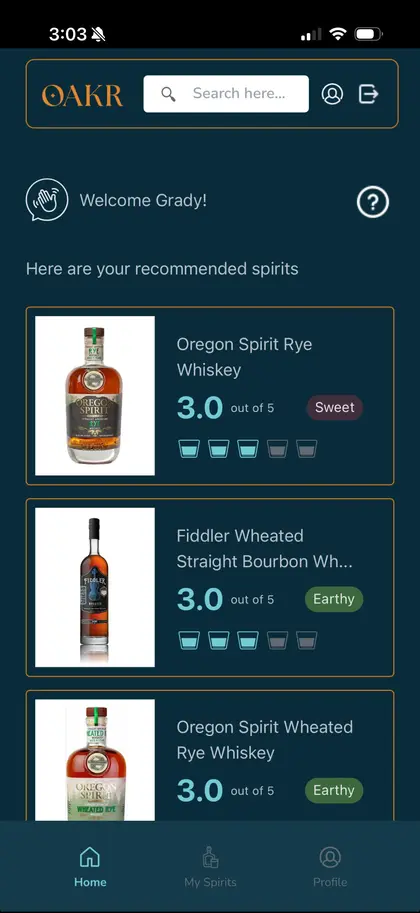
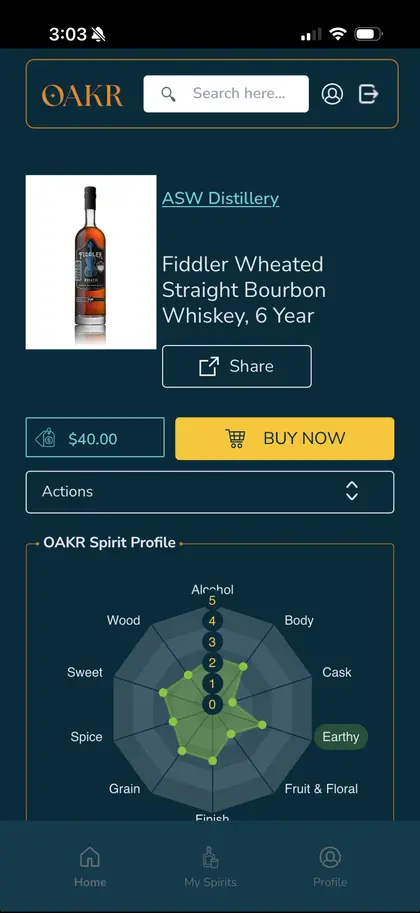
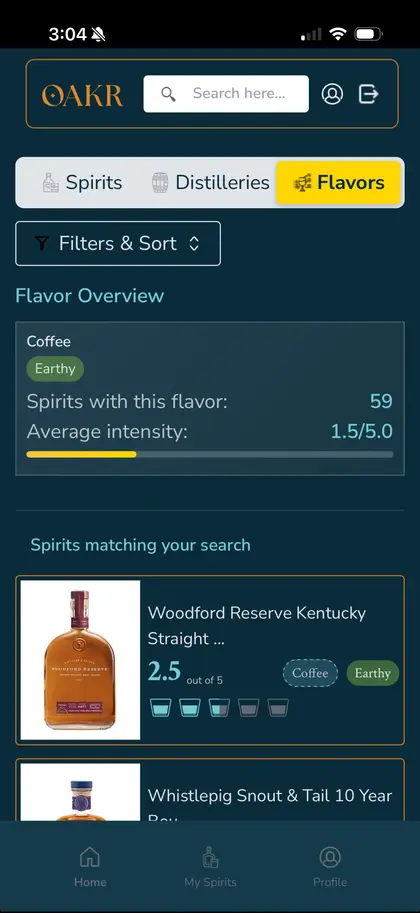
You might ask, “Grady, how do you know that?” Welp, one, I have been doing this a long time, and two, we built OAKR for exactly this moving target. Every bottle gets poured past a blind tasting panel and scored across more than a hundred flavor notes in ten big categories, no labels, no jockey silks in the room. Then the app reads your palate, the flavors you actually chase, and hands you a Spirit Match score for any bottle, the Pinhook range included. So before you bet on a particular vintage or chase a Vertical release, you find out whether that profile actually fits your taste. That is the difference between trusting the silks and backing a winner.
Is Pinhook sourced?
Partly, and increasingly less so. Historic and Vertical Series bottles use sourced MGP whiskey, while current core vintages are distilled to Pinhook’s own mashbills at Castle & Key.
Who makes Pinhook?
It was founded by Sean Josephs and partners, with Josephs as master blender. The whiskey is distilled at MGP (older and Vertical stock) and Castle & Key (current core), and aged and bottled at Castle & Key.
Where is Pinhook distilled?
Current core whiskey is distilled at Castle & Key in Frankfort, Kentucky. Older and Vertical Series whiskey was distilled at MGP in Indiana. All of it is aged and bottled at Castle & Key.
Is Pinhook worth the money?
Yes for many drinkers. The flagship is strong value around the high-thirties, and the Vertical Series offers genuinely interesting aged, cask-strength bourbon. The vintage approach means some year-to-year variation.
What is the best Pinhook to start with?
The current flagship Kentucky Straight Bourbon for an affordable intro, or a Vertical Series release like the 8 Year if you want aged, cask-strength depth. Run either through OAKR first to see how it matches your taste.
Pinhook brings a sommelier’s vintage mindset to bourbon and is steadily growing from a smart sourcing brand into a real distiller at a historic Kentucky site. The only question left is whether a given vintage fits your taste, and that is exactly what OAKR was built to answer. Match your palate against Pinhook on OAKR before you spend a dime.
[Download OAKR free on iOS, Android, or web →]

Bourbon enthusiast, spirits industry analyst, and the voice behind OAKR's distillery guides, brand reviews, and bourbon education content. Visiting distilleries, dissecting mashbills, and translating the craft into data since 2024.
Pinhook changes batch to batch by design. OAKR’s blind-panel flavor data shows you whether a given vintage fits your taste.