
There are two ways a distillery ends up supplying bourbon to other brands. The first is to build a business around it, to advertise contract services, court clients, and make transparency part of the pitch. The second is to simply have so much bourbon that some of it finds its way into other people's bottles. Barton 1792 Distillery in Bardstown, Kentucky, has always been the second kind. Established in 1879 and now owned by the Sazerac Company, the same family that owns Buffalo Trace, Barton is one of the largest and oldest bourbon distilleries in America. It produces 51 brands and labels, fills 29 warehouses with aging bourbon, and quietly sells aged stocks to outside brands through broker networks. It has never needed to advertise as a contract distiller. The bourbon speaks for itself.

Barton 1792 Distillery sits on 196 acres in the heart of Bardstown, Kentucky, built around two natural springs, the Tom Moore Spring and the Morton Spring, that have been supplying limestone-filtered water to whiskey production since 1879. The distillery was founded by Tom Moore, who established operations at a time when Bardstown was already becoming the epicenter of American bourbon. It is the oldest continuously operating distillery in Bardstown, predating the town’s “Bourbon Capital of the World” designation by decades.
The facility passed through a series of owners across the 20th century. Oscar Getz’s Barton Brands acquired it in 1944. Constellation Brands bought Barton in 1999. And in 2009, the Sazerac Company, a family-owned spirits conglomerate based in New Orleans, purchased Barton along with its entire brand catalog, distillery campus, and bottling operations. The acquisition was strategic: Sazerac already owned Buffalo Trace Distillery in Frankfort, Kentucky, making the company the operator of two of the state’s most historic bourbon production facilities.
Under Sazerac, the distillery was renamed Barton 1792, a nod to the year Kentucky became the 15th state. The company has invested heavily in the campus. In 2021, Sazerac announced a $600 million investment in new barrel warehousing across its Kentucky operations, one of the largest single investments in the state’s distilling history, with the first seven new warehouses completed in 2025. The Barton campus now includes 29 aging warehouses, a still house, and more than 20 additional buildings.
Understanding Barton 1792’s role in the bourbon market requires understanding its relationship to Buffalo Trace. Together, these two Sazerac-owned distilleries produce an enormous share of the bourbon consumed in America, but they serve different purposes within the portfolio.
Buffalo Trace in Frankfort is the crown jewel. It produces the allocated, high-demand brands: Buffalo Trace Bourbon, Eagle Rare, Blanton’s, the Weller line, Colonel E.H. Taylor, and the Benchmark series. Buffalo Trace does not do contract distilling. Every drop that comes out of that facility goes into a Sazerac-owned brand.
Barton 1792 in Bardstown plays a different role. It produces the 1792 brand portfolio, Very Old Barton, Kentucky Gentleman, Kentucky Tavern, Ten High, and (since 2021) Early Times. But it also has a history as a contract source, quietly supplying aged bourbon stocks to outside brands that need Kentucky-distilled whiskey without building their own facility. Where Buffalo Trace guards its production exclusively for in-house brands, Barton has historically been more willing to sell barrels.
Barton 1792 is not a contract distiller in the way that MGP or Bardstown Bourbon Company are. It does not operate a formal collaborative distilling program or advertise contract services. Instead, aged bourbon stocks from Barton surface on the secondary market through broker relationships, and select brands have established sourcing partnerships directly with the distillery.
High West, the Constellation-owned Utah blender, has confirmed sourcing bourbon from Barton alongside MGP. High West’s blending approach pulls from multiple distilleries to build specific flavor profiles, and Barton’s high-rye bourbon has been part of that toolkit.
Calumet Farm sources its primary aged bourbon stock from Barton. Bourbon Culture identified the 74/18/8 mashbill as consistent with Barton production. The brand, operated by Western Spirits Beverage Company out of Bowling Green, Kentucky, also has a separate contract with Bardstown Bourbon Company for new make.
Frank August is a suspected Barton source. The brand’s label states “Distilled and Aged in Bardstown,” and some reviewers have identified flavor characteristics consistent with Barton’s profile. The alternative hypothesis is Bardstown Bourbon Company, which is also located in Bardstown. The source has not been publicly confirmed.
Beyond these specific OAKR connections, industry reporting suggests that Barton stocks have historically surfaced in various sourced bourbon brands through barrel broker networks. The distillery’s deep aged inventory, accumulated over decades of continuous production, makes it an attractive source for brands seeking properly matured Kentucky straight bourbon without age-stating young whiskey.
Barton 1792 operates at a scale that ranks it among the largest distilleries in the world. The facility is estimated to be the seventh-largest distillery globally, producing 51 brands, labels, and variations of bourbon and North American whiskeys. The production equipment reflects a mid-century industrial character that sets it apart from both the modern purpose-built facilities (like Bardstown Bourbon Company) and the heritage craft operations.
The still house features a copper-headed column still (a “beer still” in industry terminology) that handles the primary distillation. One of the distinctive features of the Barton operation is its use of coal-fired boilers for process steam, a traditional approach that has become increasingly rare in modern distilling but that the facility has maintained. The outdoor fermenters, large stainless steel tanks sitting exposed behind the distillery, are another unusual feature. Being open to the elements means fermentation is influenced by seasonal temperature variation in a way that indoor, climate-controlled fermentation is not.
The water comes from the Tom Moore Spring, a limestone-filtered source that has been supplying the distillery since its founding. Like all Kentucky limestone water, it is naturally high in calcium and low in iron, both favorable conditions for whiskey production.
Barton runs multiple mashbill recipes, though the distillery is less transparent about exact grain ratios than some competitors.
High-Rye Bourbon (approximately 75% corn, 15% rye, 10% malted barley): This is the signature Barton recipe used for the 1792 brand portfolio and Very Old Barton. The rye content at 15% is notably higher than many “standard” bourbon mashbills (which typically run 8-10% rye), giving Barton’s bourbon a distinctive spice-forward character. This same mashbill is likely what outside brands like Calumet Farm and High West are sourcing.
Wheated Bourbon: The 1792 Sweet Wheat expression uses wheat instead of rye as the secondary grain, producing a softer, sweeter profile. This recipe may also be available for contract clients seeking a wheated Kentucky bourbon.
Additional Recipes: With 51 brands produced on site, Barton almost certainly runs additional mashbills beyond these two primary recipes, though specific grain ratios for the broader portfolio (Kentucky Gentleman, Kentucky Tavern, Ten High) are not widely published.
The warehousing operation at Barton 1792 is one of the most extensive in Kentucky. The 29 rickhouses on the 196-acre campus include seven-story structures with three ricks per level. These are tall warehouses by Kentucky standards, and the temperature differential between the ground floor and the seventh floor is significant. Whiskey aging on the top floors experiences much more dramatic seasonal temperature swings, driving faster and more aggressive barrel interaction.
Warehouse Z has historically been the most famous storage location on the Barton campus. Barrels selected for the premium 1792 expressions were traditionally pulled from this specific warehouse, though the brand’s current marketing has shifted away from highlighting warehouse designation.
Each warehouse holds approximately 19,000 barrels. Across 29 warehouses, that represents storage capacity for over half a million barrels on site, with the $600 million Sazerac expansion adding substantially more. The company’s investment in new warehouse construction reflects both the scale of current production and a long-term bet on continued bourbon demand.
Barton 1792 does not market itself as a contract distillery. There is no “collaborative program” page on the website, no public client list, no tour stop that highlights barrel broker relationships. And yet, Barton-distilled bourbon shows up in bottles from brands that never mention Bardstown on their labels.
This quiet approach to contract supply is actually the older model of how sourced bourbon worked before Bardstown Bourbon Company and MGP brought transparency to the category. Barrels are produced, aged, and then sold through broker channels to brands that need Kentucky straight bourbon. The brand may or may not disclose the source. The consumer may or may not be able to trace the liquid back to Barton.
For informed consumers, there are clues. A mashbill around 74-75% corn with 15-18% rye from a Bardstown distillery is a strong indicator of Barton production. Flavor profiles emphasizing dark fruit, oak, rye spice, and a distinctively rich body are consistent with Barton’s house character. And “Distilled in Bardstown, Kentucky” on a label narrows the field to essentially three facilities: Barton 1792, Bardstown Bourbon Company, and the smaller craft operations in the area.
Between Barton 1792 and Buffalo Trace, Sazerac’s brand portfolio on OAKR is one of the deepest of any producer. Here are the key expressions:
From Barton 1792: 1792 Small Batch is the flagship, a high-rye bourbon at 93.7 proof aged in the distillery’s top-floor warehouses.
From Buffalo Trace: The portfolio includes Buffalo Trace Bourbon, Eagle Rare 10 Year, Blanton’s Original Single Barrel, Weller Full Proof, Weller Special Reserve, Weller 12 Year, Colonel E.H. Taylor Small Batch, Benchmark Full Proof, Benchmark Bonded, Benchmark Small Batch, and Benchmark Single Barrel.
Combined, that is more than a dozen spirits from a single parent company, spanning the full range from everyday value pours to the most allocated bottles in American whiskey. When an NDP brand sources from Barton, its bourbon sits in the same production ecosystem as some of the most sought-after names in the business.
Barton 1792 is the kind of distillery that hides in plain sight. It does not chase headlines or build Instagram-ready visitor centers (though tours are available). It produces an enormous volume of bourbon, year after year, from the same springs and the same tradition that started in 1879. And it quietly sells some of that production to outside brands that bottle it under their own labels.
For consumers trying to understand what is in their glass, knowing the Barton connection is valuable. If a sourced bourbon from Bardstown hits your palate with dark fruit, rye spice, and a rich, full body at a moderate price point, there is a reasonable chance you are drinking Barton’s work.
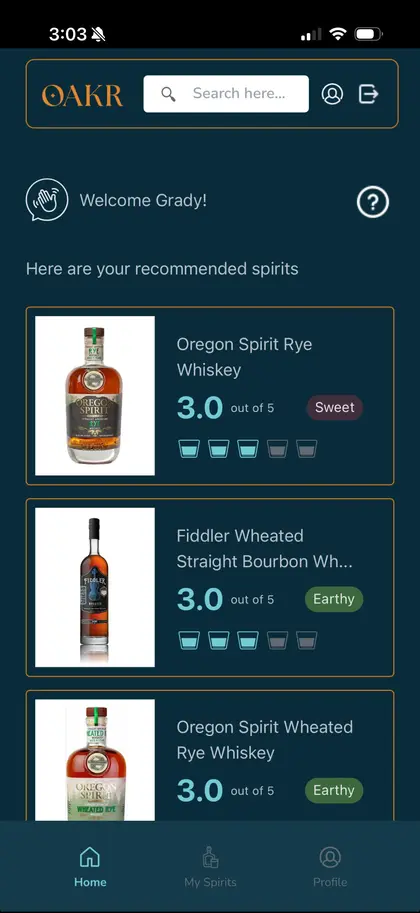
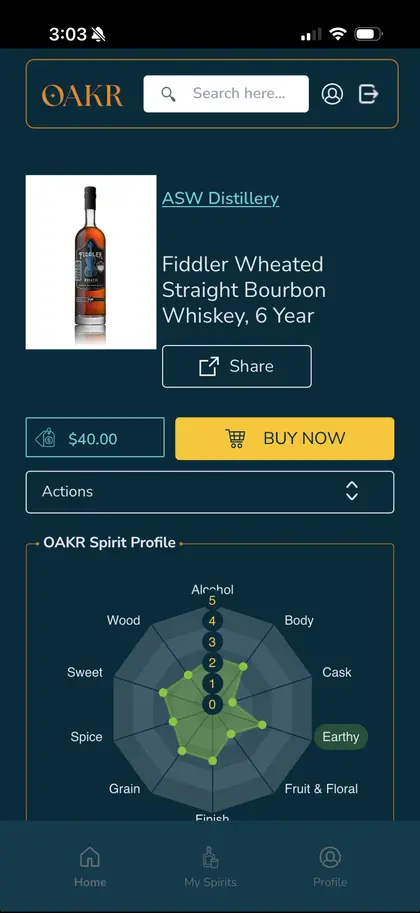
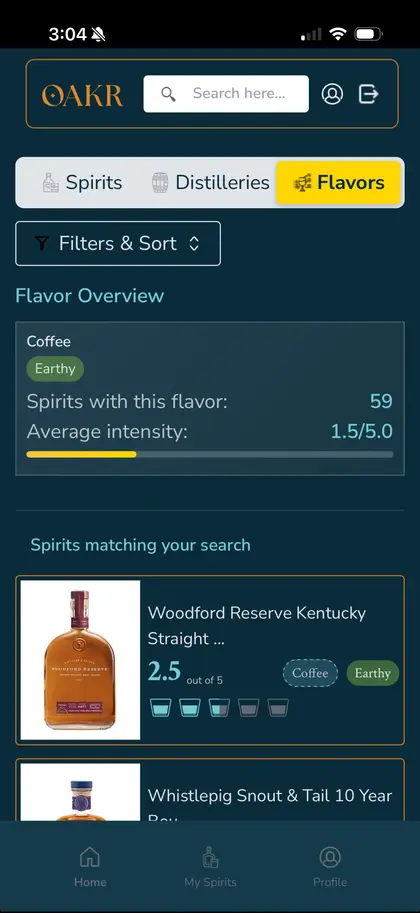
OAKR’s blind tasting panel evaluates every spirit independent of its source distillery. Whether you are comparing 1792 Small Batch against the sourced brands that share its DNA, or using OAKR’s spirits data to find which Sazerac expression best matches your palate, the flavor data tells the story that labels often leave out.

Bourbon enthusiast, spirits industry analyst, and the voice behind OAKR's distillery guides, brand reviews, and bourbon education content. Visiting distilleries, dissecting mashbills, and translating the craft into data since 2024.

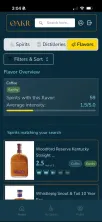
Sazerac owns both Barton 1792 and Buffalo Trace, producing everything from Blanton’s to Benchmark. OAKR’s blind tasting data scores every expression on 100+ flavor notes so you can find the best match for your palate across the entire portfolio.