
There's a distillery in Pembroke, Kentucky, about 200 yards from where NASCAR fans scream into turns at the Kentucky Speedway, where a former Army officer and his banker wife make bourbon with white corn, pot stills, and wood-fired barrels. MB Roland Distillery was a founding member of the Kentucky Bourbon Trail Craft Tour, and its high-rye, pot-distilled bourbon is the source behind Hidden Barn Whiskey's acclaimed Series Two. This is the story of western Kentucky craft, pre-Prohibition methods, and why some of the most interesting bourbon in the state comes from a town of 900 people.
Paul Tomaszewski grew up in the New Orleans area, where you learn to appreciate food and drink the same way you learn to breathe. After serving in the U.S. Army and getting stationed at Fort Campbell (which straddles the Kentucky-Tennessee border), he met Merry Beth Roland from tiny Adams, Tennessee, just over the state line. Merry Beth was working as a vice president at a local community bank. Paul had a thing for whiskey. They got married, looked around at the rolling farmland of Christian County, Kentucky, and decided to open a distillery.
In 2009, MB Roland Distillery was born. The “MB” stands for Merry Beth. The “Roland” is her maiden name, also the name of her grandparents M.B. and Mary Roland. The distillery sits on Pembroke Oak Grove Road in Pembroke, just one mile off Interstate 24. If you’ve driven to Nashville from anywhere in western Kentucky and smelled something good, that might have been them.
Here’s what makes the founding story worth telling: in 2009, the craft distillery movement in Kentucky was barely a thing. The bourbon boom hadn’t boomed yet. Paul and Merry Beth were among the very first craft distillers in the state, and MB Roland became a founding member of the Kentucky Bourbon Trail Craft Tour. They didn’t just join the party. They helped build the dance floor.
If you’ve read the previous post in this series about Neeley Family Distillery, you know I have a soft spot for small Kentucky operations that make bourbon the hard way. MB Roland takes that ethos and runs with it, hard.
White Corn: While most bourbon distilleries use yellow dent corn (the commodity variety that’s cheap, plentiful, and everywhere), MB Roland uses locally sourced white corn from Christian County farms. White corn has a different sugar and starch profile than yellow, and it was the standard grain used by Kentucky distillers before Prohibition. Using it is both a throwback and a flavor choice. The result is a slightly sweeter, more delicate grain character in the base spirit.
Pot Still Distillation: Everything at MB Roland is pot distilled. No column stills, no shortcuts. Their bourbon is distilled to 110 proof and entered into the barrel at distillation proof with no water added. This is important, because most distilleries dilute their spirit down to 125 proof (the legal maximum barrel entry proof) before barreling. MB Roland enters at a lower proof, which means the spirit interacts with the wood differently from day one. Lower entry proof generally extracts different flavors from the barrel and can produce a rounder, less tannic bourbon at maturity.
Wood-Fired Barrels: MB Roland was one of the first distillers to buy barrels from Kelvin Cooperage in Louisville, where the barrels are handmade and fired over natural wood fires rather than run through a gas-fired assembly line. The difference in char character between a wood-fired barrel and a gas-fired one is subtle but real, especially in a pot-distilled spirit that retains more congeners to begin with.
Non-Climate-Controlled Warehouses: The aging warehouses in Pembroke sit in the rolling farmland of western Kentucky, exposed to the full seasonal cycle. Christian County gets hot summers and real winters, and the barrels do their work accordingly.
Unfiltered, Uncut: Every MB Roland bourbon goes out without chill filtration and at barrel proof or still proof, with no water added after distillation. What’s in the barrel is what’s in the bottle. If you see a little char dust floating around in there, that’s not a defect. That’s a feature.
The connection that puts MB Roland in this contract distiller series is Hidden Barn Whiskey Series Two. While Hidden Barn Series One was sourced entirely from Neeley Family Distillery (70/20/10 mashbill), Jackie Zykan went to MB Roland for Series Two, specifically because she wanted to showcase a high-rye, pot-distilled bourbon with a completely different character.
The Hidden Barn Series Two mashbill is 60% corn, 35% rye, and 5% malted barley, which is seriously rye-forward for a bourbon. The corn comes from Christian County grain, the rye from Walnut Grove Farms in Logan County, and the malted barley from South Fork Malthouse in Cynthiana. All Kentucky sourced. The mash is fermented for three to four days, double pot distilled and collected at 110 proof, then matured in wood-fired Kelvin Cooperage barrels on the MB Roland property.
Series Two Batch #001 was 10 barrels, bottled at 112 proof. The tasting notes from Zykan’s team describe it as juicy overripe blackberry, sweet Concord grape, smoky undertones, milk chocolate, roasted nuts, and fresh mint. That’s a wild flavor profile for a bourbon, and it’s a direct result of the high rye content, the pot still character, and the wood-fired barrel influence all working together. The release earned a gold medal at the 2023 San Francisco World Spirits Competition.
You might ask yourself, “Grady, why would Jackie Zykan use two different distilleries for the same brand?” Great question. The answer is that Hidden Barn was built around the idea of showcasing what different small distilleries can produce when paired with an elite blending palate. Series One highlights Neeley’s wild-yeast, sweet-mash character. Series Two highlights MB Roland’s white-corn, high-rye, wood-fired barrel character. Same blender, different canvas, different painting. It’s the bourbon equivalent of a musician recording at different studios to get different sounds.
MB Roland ages in their Kelvin Cooperage barrels in non-climate-controlled warehouses on the distillery property. Christian County sits in western Kentucky, south of Owensboro and east of Paducah, in a part of the state that doesn’t get as much bourbon tourist traffic as the Bardstown corridor but produces genuinely excellent whiskey.
The region is also dark tobacco country, which gives it a distinctive agricultural identity. MB Roland actually makes a Dark Fired Bourbon and Dark Fired Whiskey using corn that they dark fire themselves, applying the same curing process used on dark tobacco. It’s one of the more creative uses of terroir I’ve seen in American whiskey, and it creates a smoky, savory character that you absolutely cannot find from a Kentucky distillery further north.
The angel’s share in western Kentucky is comparable to other parts of the state, and the seasonal temperature swings push the spirit in and out of the wood with reasonable aggression. Because MB Roland enters barrels at distillation proof (110) rather than the typical 125, their bourbon interacts with the wood a bit differently. Lower proof means more water relative to alcohol, which means different compounds get extracted at different rates. The nerds among you will appreciate that. The rest of you can just enjoy the fact that it tastes good.
MB Roland holds a special place in Kentucky bourbon history as a founding distillery of the Kentucky Bourbon Trail Craft Tour. When the Kentucky Distillers’ Association decided to create a companion experience to the main Bourbon Trail focused on smaller operations, MB Roland was among the first to sign up. This wasn’t a distillery that got on the bandwagon. They helped build the bandwagon.
Their role as a contract source for Hidden Barn Series Two demonstrates something important about the evolving craft distillery landscape. Small producers aren’t just making their own brands anymore. They’re becoming valued sources for NDP brands that want a specific production character you can’t get from the big guys. When Jackie Zykan wanted a high-rye, pot-distilled, white-corn bourbon with wood-fired barrel influence, she didn’t go to MGP or Bardstown Bourbon Company. She went to Pembroke, Kentucky, population roughly 900, to a distillery that a former Army officer built next to a NASCAR track. Sometimes the best bourbon isn’t where you expect it to be.
MB Roland’s own portfolio includes their Kentucky Straight Bourbon (single barrel, barrel proof, non-chill filtered), the Old 2nd District Bourbon (a tribute to the pre-Prohibition tax district that covered western Kentucky), Black Dog whiskey, Dark Fired Bourbon, and a range of naturally flavored moonshine products including their Kentucky Pink Lemonade (which has a dedicated following).
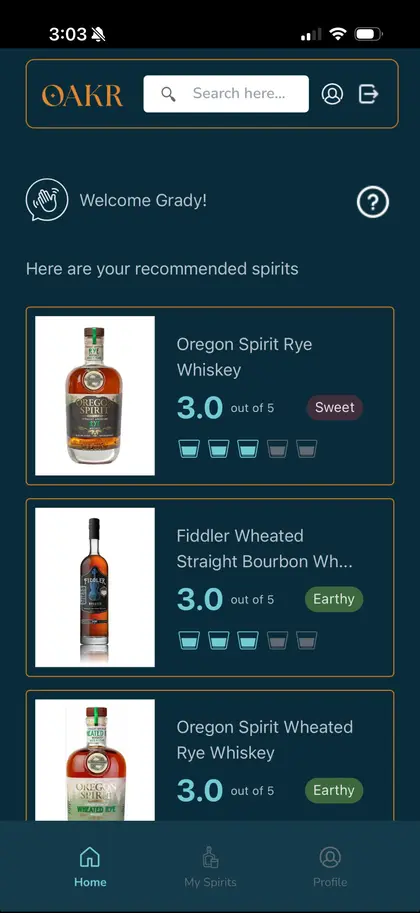
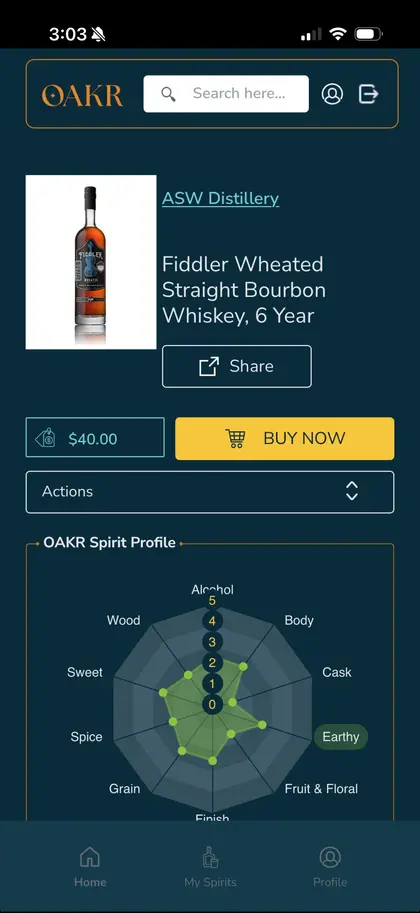
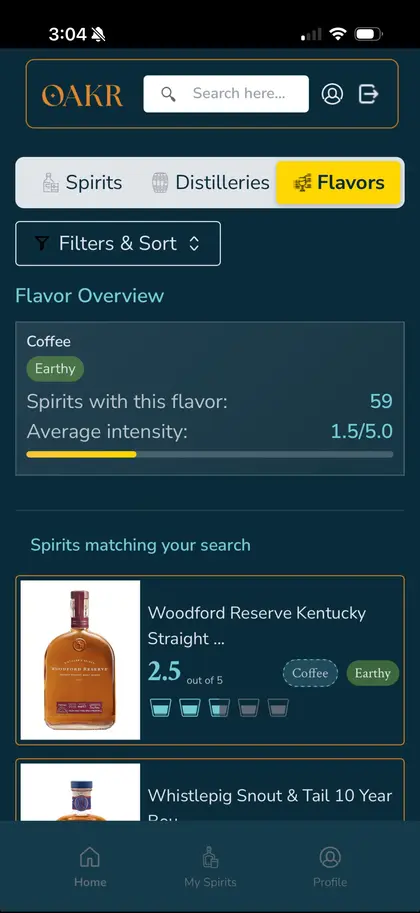
The distillery also produces fruit brandies aged in used bourbon barrels, a proper mint julep product made with 100% natural spearmint leaves, and an expanded line of finished bourbons. If you want to see how MB Roland’s pot-distilled character compares to column-distilled bourbon on the OAKR platform, check the spirits database for community reviews and panel scores.
Between this post and the Neeley post, you’re getting a picture of a different kind of contract distilling than the big-volume operations that dominate this series. MB Roland and Neeley aren’t filling barrels by the thousands for NDP brands with national distribution deals. They’re producing small quantities of distinctive, process-driven bourbon that blenders like Jackie Zykan specifically seek out because it tastes like nothing else in the market.
That’s the future of American whiskey sourcing, or at least part of it. Volume will always matter, and the Bartons and MGPs of the world will always fill the majority of NDP barrels. But the premium end of the market increasingly values provenance, process, and distinctiveness. White corn, pot stills, wood-fired barrels, barrel-proof bottling, no filtration. That’s a bourbon with a story in every sip, and in a market with 16.1 million barrels aging in Kentucky, a good story is worth its weight in gold. Or corn. Or whatever metaphor works for you.

Bourbon enthusiast, spirits industry analyst, and the voice behind OAKR's distillery guides, brand reviews, and bourbon education content. Visiting distilleries, dissecting mashbills, and translating the craft into data since 2024.
MB Roland makes bourbon the way Kentucky did before Prohibition. OAKR tracks the data on every bottle, from craft gems to mainstream staples.