
1780. 1897. 1967. 2017. Four numbers that tell the entire James E. Pepper story. The Pepper family started distilling during the American Revolution. Colonel James E. Pepper helped write the Bottled-in-Bond Act of 1897 — the first consumer protection law in American whiskey. The distillery went dark in 1967 and sat abandoned for half a century. And in 2017, it fired up its stills again on the exact same site, with a yeast strain isolated from the original distillery's wooden fermenters. Those numbers matter because they separate James E. Pepper from the two most common stories in bourbon: the heritage brand that never stopped (and therefore never had to rebuild anything) and the new craft distillery that started from zero with no historical blueprint. Pepper is neither. It's a brand that was meticulously reverse-engineered from archives, old bottles, and historical production records by a man who spent a decade doing the homework before pouring a single drop. The result is a distillery that operates like a startup with a 240-year-old recipe card — and a flavor profile built around the kind of aggressive, high-rye grain bills that most modern distillers don't have the nerve to run. Whether that combination of archaeological obsession and rye-forward intensity lands for your palate is the question worth asking.

The Pepper family’s connection to Kentucky whiskey predates the state itself. Elijah Pepper began distilling in the 1780s during the American Revolution. His grandson, Colonel James E. Pepper (1850-1906), inherited the operation and turned it into one of the most recognized whiskey brands in America. The Colonel was part showman, part industry architect — he owned racehorses, traveled by private rail car, and marketed “Old Pepper” whiskey coast to coast under the tagline “The Oldest and Best Brand of Whisky made in Kentucky.”
More consequentially, Pepper was the first distiller in Kentucky to bottle whiskey at the distillery rather than shipping barrels to separate bottling houses. His invention of the “signature strip label” — a tamper-evident seal applied across the cork — was later incorporated into the Bottled-in-Bond Act of 1897, which Pepper actively lobbied for. That law remains the most meaningful quality guarantee in American whiskey: 100 proof, single distilling season, minimum four years aged, produced at a single distillery. According to legend, the Old Fashioned cocktail was created in his honor and introduced to New York via his regular stays at the Waldorf Astoria.
The distillery in Lexington — designated DSP-KY-5 — was at its peak one of the largest and most technologically advanced in the country. Then Prohibition arrived, and the operation shut down. The brand limped along under different ownership until 1967, when both the brand and distillery were abandoned. The Lexington site sat derelict for over 50 years.
The resurrection began in 2008 when whiskey entrepreneur Amir Peay relaunched the 1776 brand, initially using sourced whiskey matched to historical flavor profiles he’d reconstructed through archival research and analysis of surviving pre-Prohibition bottles. The real objective was always to reopen the distillery on its original site. After a multi-million dollar reconstruction, the stills fired up again in 2017 at 1228 Manchester Street in Lexington’s Distillery District — the same ground where the Colonel made whiskey over a century earlier.
The location provides access to the same limestone-filtered aquifer that the original operation used. That water is naturally iron-free and rich in calcium and magnesium — minerals that support healthy yeast fermentation and clean flavor development. Central Kentucky’s dramatic seasonal temperature swings drive the barrel aging process, pushing whiskey in and out of the wood at a pace that accelerates maturation compared to more temperate climates.
James E. Pepper runs some of the most rye-heavy grain bills in the bourbon industry. The 1776 Straight Bourbon uses a mashbill with over 38% rye — roughly two to four times the rye content of most standard bourbons, which typically run 8-15%. That ratio fundamentally changes the flavor architecture. Instead of leading with corn sweetness and adding rye as a background spice note, Pepper’s bourbon puts rye in a co-starring role. The result is assertive black pepper, cinnamon, and mint layered on top of the corn’s caramel baseline.
The 1776 Straight Rye pushes even further, running over 90% rye grain. This is a rye whiskey that doesn’t apologize for being rye — grassy, herbal, aggressively peppery, and built for drinkers who find most bourbons too sweet.
Beyond the standard grain bill, Pepper uses a distinctive combination of corn, rye, malted barley, and malted rye in their blending program. The malted rye is an unusual inclusion — most distilleries use malted barley exclusively as their enzyme grain. Malted rye contributes its own flavor character: a richer, nuttier, more complex spice profile than unmalted rye alone. All corn is sourced locally from Kentucky growers.
The yeast story is one of the more genuinely interesting provenance claims in the industry. Before the distillery was rebuilt, the team took samples from the old wooden fermenters on the abandoned site and sent them to a lab for analysis. They successfully isolated and propagated a unique yeast strain from the original distillery — a culture that had survived in the wood for decades. This proprietary strain produces stone-fruit esters (apricot, peach) and a subtle clove spice note that counterbalances the aggressive high-rye character in the grain bill. When the high-rye mashbill meets this fruit-forward yeast, the fermentation produces a spirit that is both spicy and fruity — a combination that gives Pepper’s whiskey a complexity that neither element would achieve alone.
The distillery runs a custom-made copper column still system built by Vendome Copper & Brass Works — the Louisville-based company that constructs equipment for the majority of Kentucky’s bourbon distilleries. The column still handles the primary distillation, stripping alcohol efficiently from the fermented wash. The distillate then passes through a doubler — essentially a pot-still-like secondary distillation vessel — that refines the spirit while retaining the heavier, oily congeners that give whiskey body and grain character.
This column-plus-doubler setup is standard Kentucky distillation practice, but the way Pepper runs it is calibrated to preserve the aggressive rye character of their mashbills. They aren’t stripping the spirit to neutrality; they want the grain to survive the distillation process and show up in the barrel-aged product.
The more consequential production decision is their barrel entry proof. Most large distilleries barrel whiskey at 125 proof — the legal maximum — because higher entry proof means fewer barrels needed to store the same volume of alcohol. It’s economically efficient but changes how the spirit interacts with the wood. James E. Pepper uses a lower barrel entry proof for their expressions. When whiskey enters the barrel at a lower proof, the higher water content acts as a solvent that breaks down wood sugars and tannins differently than alcohol does. The result is generally a richer, sweeter, more viscous whiskey with deeper color extraction — which is consistent with what you taste in the glass.
The water used throughout the process comes from the distillery’s own well, drawing from the limestone aquifer beneath the Lexington site. Iron-free, calcium-rich, and consistent — the same geological source the original operation used.
James E. Pepper uses new toasted and charred barrels made from Kentucky white oak that has been air-seasoned for a minimum of 18-24 months before coopering. Air seasoning is the slower, more traditional method of drying barrel staves — as opposed to kiln drying — and it allows the wood’s harsher tannins to break down naturally over time. The result is a barrel that contributes more rounded, complex wood flavors rather than the aggressive, tannic edge that can come from kiln-dried staves.
The barrels receive both toasting and heavy charring. Toasting heats the wood slowly, caramelizing the hemicellulose in the oak into accessible sugars — the source of vanilla, caramel, and baking spice notes. The subsequent heavy char creates a layer of charcoal on the barrel interior that acts as a secondary filter, stripping out harsh sulfur compounds from the young spirit while opening up the wood grain for deeper spirit penetration.
The rickhouses in Lexington subject the barrels to Central Kentucky’s aggressive seasonal cycles. Summer heat pushes the whiskey deep into the charred oak; winter cold pulls it back out, carrying dissolved wood sugars, vanillins, and tannins into the liquid. A four-year bourbon aged in this climate develops color and maturity faster than the same spirit would in a more stable environment.
The distillery also offers non-chill-filtered and barrel-proof expressions, which retain the fatty acids and esters that chill filtration typically removes. These bottles deliver a chewy, oily mouthfeel that the standard-proof releases don’t match. The trade-off: the whiskey may turn slightly hazy when you add ice or water, which bothers some drinkers and is irrelevant to others.
Head Distiller Cody Giles joined James E. Pepper in 2017 — the same year the rebuilt distillery began operations. He holds a chemical engineering degree from the University of Kentucky and completed their Distillation, Wine, and Brewing Studies program. Giles has overseen every phase of the distillery’s production since the stills were commissioned, including distillation, maturation, blending, and bottling, as well as multiple facility expansion projects.
Amir Peay serves as the brand’s founder and driving force. His approach to resurrecting the brand was archival rather than speculative — years of historical research, collecting surviving pre-Prohibition bottles for chemical analysis, and reconstructing the original production methods as faithfully as possible. In 2021, Peay received the Craft Member of the Year Award from the Distilled Spirits Council of the United States, and the Kentucky Distillers Association has recognized him as one of the state’s finest bourbon ambassadors.
The combination of Giles’s technical training and Peay’s historical obsession defines the distillery’s operational philosophy: execute historically informed recipes with modern scientific precision. The yeast came from the old building. The water comes from the same aquifer. The mashbills are reconstructed from archival records. But the distillation, fermentation monitoring, and quality control are driven by chemistry degrees and lab work, not folklore.
1776 Straight Bourbon — 100 proof, aged minimum 3 years, approximately $35-45. The high-rye mashbill (38%+ rye) makes this a bourbon with real spice. Expect vanilla and caramel from the corn and barrel, but the rye drives assertive black pepper, cinnamon, and clove notes that keep it from fading into generic bourbon territory. At 100 proof, it has enough structure for cocktails and enough character for neat sipping. A solid entry point for the brand and a genuine value at its price.
1776 Straight Rye — 100 proof, 90%+ rye mashbill, approximately $35-45. This is rye whiskey without training wheels. Black pepper, mint, fresh herbs, and a crackling spice intensity that rewards drinkers who think most bourbon is too sweet. Makes an outstanding Manhattan. Not for the timid.
Old Pepper Bottled-in-Bond Bourbon — 100 proof, minimum 4 years aged, approximately $45-55. Distilled and bottled at DSP-KY-5 in Lexington. The BiB designation guarantees single distilling season, single distillery, minimum age. Rich caramel, vanilla, malt, and the signature rye spice in a package that meets the oldest quality standard in American whiskey. The distilling season is listed on the strip label — a direct callback to Colonel Pepper’s original innovation.
Decanter Barrel Proof Bourbon — Uncut, unfiltered, typically 52-57% ABV, aged 5+ years, approximately $70-90. Presented in a recreation of the 1940s-era decanter bottle from the original distillery. The low barrel entry proof and extended aging produce toasted oak, walnut, marzipan, dried dark fruit, and creamy vanilla at cask strength. Non-chill-filtered, so the mouthfeel is oily and full. This is the expression that best showcases what the distillery’s production choices — low entry proof, high-rye mashbill, heritage yeast, air-seasoned barrels — actually do when given time.
Old Pepper Single Barrel Bourbon/Rye — Barrel proof, varies by selection, approximately $55-75. Individual barrels chosen for exceptional character. No two are identical — some lean fruit-forward, others into tobacco and leather. Barrel-proof bottling means full intensity. These are allocated and rotate frequently.
James E. Pepper’s bottles carry real historical weight — the brand literally helped write the law that defines quality bourbon. But the bottles that carry the 1776 name are also genuinely allocated in many markets, and the barrel-proof and single-barrel releases don’t sit on shelves for long. If you’re hunting for the Decanter or an Old Pepper Single Barrel, knowing whether the flavor profile matches your palate before you find one saves you from the most expensive mistake in bourbon: buying a bottle you tracked down but don’t enjoy.
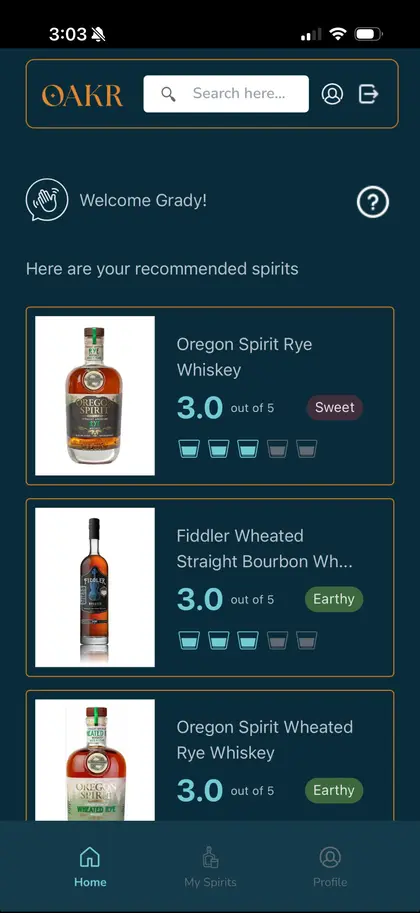
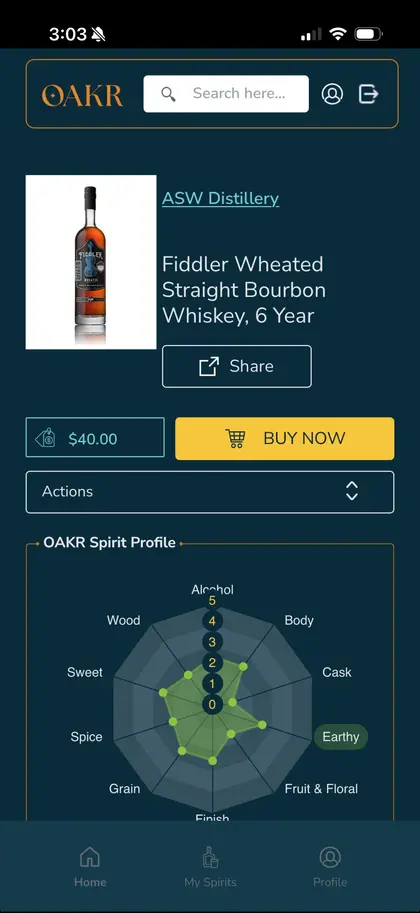
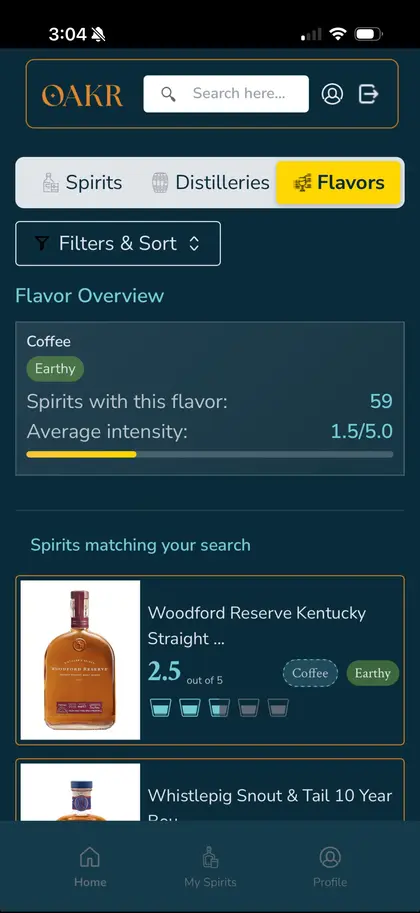
OAKR’s blind tasting panel evaluates every expression across 100+ individual flavor notes in 10 macro categories. Your Spirit Match score tells you whether Pepper’s aggressive rye spice and stone-fruit yeast character is your kind of bourbon — or whether you’d be happier with something corn-forward and gentle — before you commit to the hunt. For bottles this limited, that data is the difference between a great purchase and an expensive shelf decoration.
[Download OAKR free on iOS, Android, or web →]

Bourbon enthusiast, spirits industry analyst, and the voice behind OAKR's distillery guides, brand reviews, and bourbon education content. Visiting distilleries, dissecting mashbills, and translating the craft into data since 2024.
Heritage yeast, high-rye mashbills, barrel proof. Your Spirit Match score tells you if Pepper’s aggressive rye profile fits your palate.