
Most people don't actually care about the boiling point of ethanol. We know what a good bottle costs to make. When you see a high-priced bottle of two-year-old whiskey, ask yourself where the extra money went. (Hint: it wasn't the aging.) The answer to a disappointing bottle usually lies in the distillation process. Understanding bourbon distillation isn't just for those of us who carry a hydrometer in our briefcase. It’s for anyone who wants to walk into a liquor store and actually know what they’re looking at, rather than just picking the bottle with the coolest horse on the stopper. Here is exactly how the juice is made, and why it matters when you’re deciding between a pot still bourbon and something churned out by a continuous column still.

Before we get to the shiny copper equipment, remember that bourbon starts as beer. Really gross, flat, sour beer. This is the “wash” or “distiller’s beer”.
Distillation is simple in theory: alcohol boils at a lower temperature than water. If you heat up that nasty beer, the alcohol turns into vapor first. You catch that vapor, cool it down, and boom—you have liquid courage. But how you catch it makes all the difference.
If you are drinking a major heritage brand—you know the ones, they advertise during the Super Bowl—you are almost certainly drinking bourbon made in a column still.
A column still (or continuous still) looks exactly like it sounds: a giant metal tube. It runs 24/7, never sleeping, never taking a lunch break, just pumping out white dog (unaged whiskey). It is efficient. It is consistent. It is basically the Ford F-150 of bourbon distillation.
Why you should care: Column stills are great at stripping away heavier, oily compounds. This usually results in a cleaner, lighter spirit. If you like your bourbon to be approachable and clean, column still bourbons are your friends. They provide a consistent base that lets the barrel do most of the talking later on.
Then there is the pot still. It looks like a giant copper onion or a Hershey’s Kiss. It is inefficient. It requires constant cleaning. It is a pain in the neck to operate.
Naturally, craft distilleries love them. Balcones Distilling in Waco, Texas has built its entire identity around pot distillation.
Pot distillation is done in batches. You fill it up, boil it off, clean it out, and start over. Because it’s less efficient at separating alcohol from water and other compounds, more of the heavy oils and congeners (flavor compounds) stay in the spirit.
Why you should care: Pot still bourbon often has a thick, oily mouthfeel and robust, funky flavors—MB Roland Kentucky Straight Bourbon is a textbook example. It has character. Sometimes that character is “rich chocolate and leather.” Sometimes it’s a bit too rustic. It’s a gamble, but when it hits, it hits hard. If you are hunting for texture and depth, look for pot-distilled spirits like the Balcones Texas Pot Still Bourbon.
You might hear old-timers talk about a “thumper” or “doubler”. This is basically a secondary distillation vessel. In the old moonshine days, the thumper made a thumping sound as steam bubbled through it.
Most big boys use a doubler to refine the spirit coming off the column still. It polishes the rough edges. It’s a quality control step that ensures you don’t get a headache just from smelling the cork.
The most critical part of bourbon distillation is making “cuts”. As the vapor comes off the still, it changes.
A good distiller knows exactly when to switch from heads to hearts, and hearts to tails. A greedy distiller widens the cuts to get more volume, leaving you with a bottle that burns going down and tastes like acetone.
Here is the hard truth: knowing about stills helps, but your tongue is still going to do whatever it wants. You might hate the “superior” pot still bourbon and love the mass-produced column still stuff. That is fine. Everyone has a unique tasting experience.
What your buddy calls “baking spices” we call tannin migration from the barrel staves. You might just taste “burning.” That is fine.
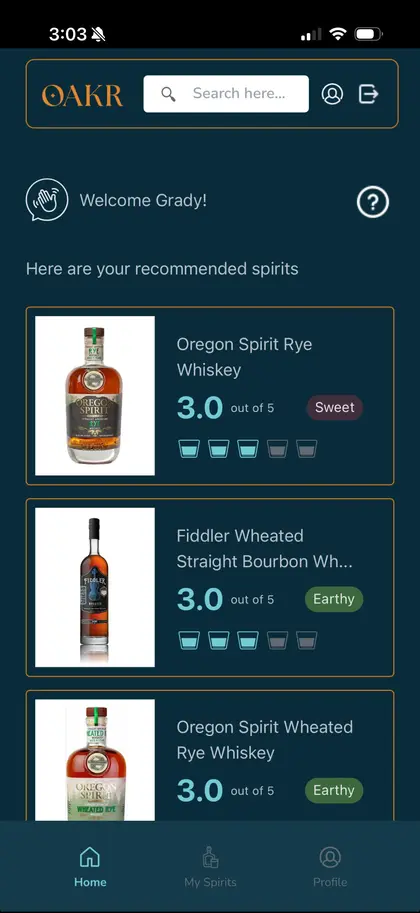
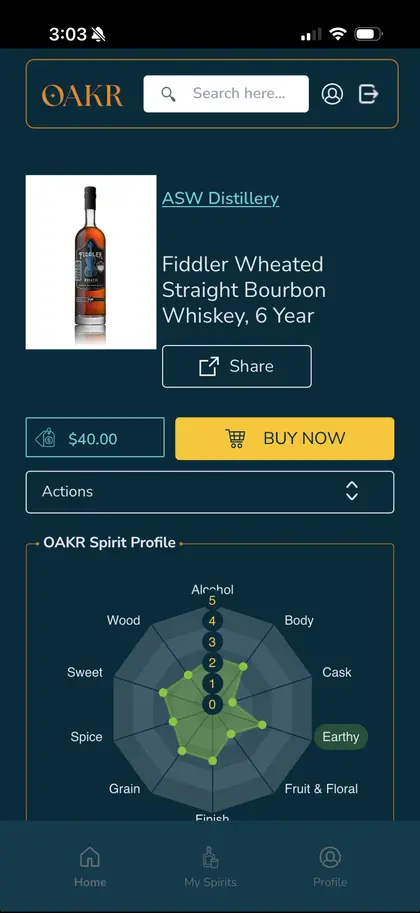
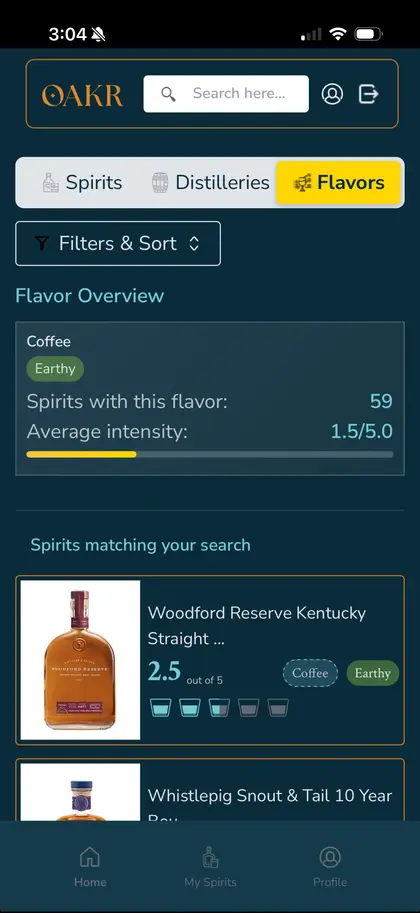
This is where OAKR saves you from wasting money. OAKR is the bourbon sommelier app that does the heavy lifting for you. Instead of guessing if a bottle has that oily pot-still texture you crave, you can check OAKR.
The app aggregates tasting data from blind tasting panelists—people who actually know what they are doing—to showcase flavor profiles before you buy. It cuts through the marketing fluff and tells you what the liquid actually tastes like.
Bourbon distillation isn’t magic; it’s science, usually performed by sweaty people in Kentucky.
Next time you are staring at a wall of amber liquid, don’t just pick the prettiest label. Think about how it was made. And if you still can’t decide, pull out your phone, open OAKR, and let the data find you a bottle that doesn’t suck.

Bourbon enthusiast, spirits industry analyst, and the voice behind OAKR's distillery guides, brand reviews, and bourbon education content. Visiting distilleries, dissecting mashbills, and translating the craft into data since 2024.

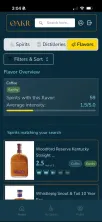
Get spirit profile flavor data, create your own lists and customize your palate to get custom recommendations on whiskey you’ll love.