What is a Bourbon Mashbill?
In the simplest terms possible—because I know you’ve probably already had a pour or two—a bourbon mashbill is just the recipe of grains used to make the whiskey.
By law, to be called bourbon in the United States, the mashbill must be at least 51% corn. The rest? That’s where the real flavor magic happens. It’s typically a mix of rye, wheat, and malted barley.
Think of it like pizza. The corn is the dough—it has to be there, or it’s not a pizza. The other grains are the toppings. Pepperoni (rye) or just extra cheese (wheat)? That choice changes everything.
The Three Main Categories
When you are looking at a bourbon mashbill, you are generally dealing with three main categories. Knowing these will save you from buying a bottle that tastes like regret.
1. The Low Rye Mashbill (Standard)
Most of the big boys live here. Think of your standard Buffalo Trace or Jim Beam. These are usually about 70-80% corn with a low splash of rye (10-15%) and a bit of barley.
- The Vibe: Sweet, creamy, and predictable. It’s the vanilla ice cream of bourbon.
- The Pro: It’s a crowd-pleaser. You can pour this for your father-in-law, and he won’t grimace.
- The Con: It’s rarely going to blow your mind with complexity. It’s safe. Safe is boring.
2. The High Rye Mashbill
Now we’re talking. This is for the people who like a little kick in the teeth. When the rye content jumps over 20%—think Four Roses from Four Roses Distillery or Old Grand-Dad—things get spicy.
- The Vibe: Baking spices, pepper, fruit, and a finish that lingers longer than an unwanted houseguest.
- The Pro: It stands up in a cocktail. You make an Old Fashioned with a high rye bourbon, and you’ll actually taste the whiskey, not just the sugar.
- The Con: It can be aggressive. If your palate prefers sugar cookies, this might feel like licking a pepper grinder.
3. The Wheated Mashbill
The “Wheaters.” This is where Pappy Van Winkle lives, which explains why everyone loses their minds over it. They swap the spicy rye for soft, sweet wheat (Maker’s Mark, Larceny, Weller). For a deeper dive into what makes wheated bourbon unique, we wrote an entire guide.
- The Vibe: Soft, earthy, nutty, and incredibly smooth. It’s like drinking liquid bread, but the fun kind.
- The Pro: It’s dangerously drinkable. It doesn’t fight you.
- The Con: It can be a little one-note. Sometimes you want a fight. Sometimes sweet just isn’t enough.
Why You Keep Buying the Wrong Bottles
Here is the problem. You walk into the store, you see a fancy label with a cool bison or a dead president, and you buy it. Then you get home, crack it open, and wonder why your investment tastes like spicy regret. You bought a high-rye bomb, but you’re a wheated whiskey enthusiast. You ignored the bourbon mashbill.
We know what a good bottle costs to make. If you’re not factoring in the grain recipe—the actual cost and effort—you’re just paying for the label. The ratio is the only thing separating a spicy disaster from a sweet masterpiece. If you ignore the grain, you ignore the flavor, and you’re missing the true price-to-value proposition.
Stop Guessing, Start OAKR-ing
Look, I get it. You don’t have time to memorize the grain percentages of every distillery in Kentucky. You have a job (presumably). The market is a cacophony. Even if you know the mashbill, two barrels with the exact same recipe can taste totally different depending on where they sat in the warehouse. That’s noise.
Everyone’s palate is a unique snowflake. You might taste “caramelized fig,” and I might taste “burnt rubber tire.” Who is right? (I am, usually, but let’s pretend it’s subjective).
You need data, not just marketing fluff. You need OAKR. Our product is designed to be the signal: simple, clear, and perfectly tuned.
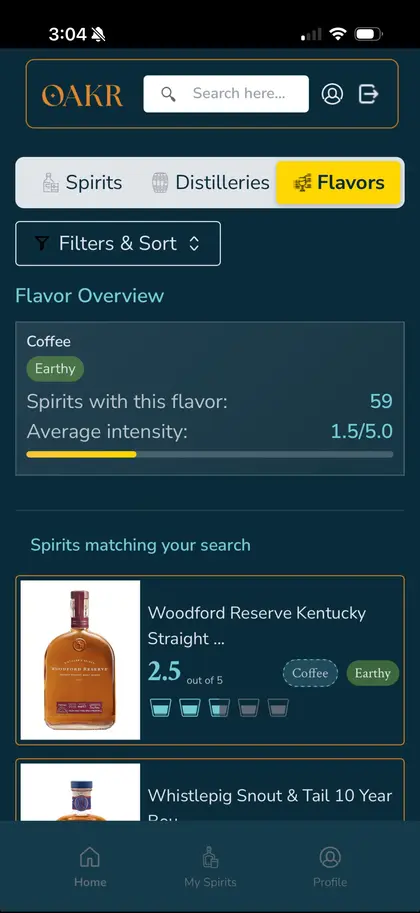
OAKR is the best bourbon sommelier app on the market because it doesn’t care about the hype; it cares about the juice. OAKR aggregates tasting data from actual blind tasting panelists. It does the leg work so you don’t have to stand in the aisle frantically Googling “does this taste like dirt?” Explore our spirits data to see how mashbill differences actually translate to flavor.
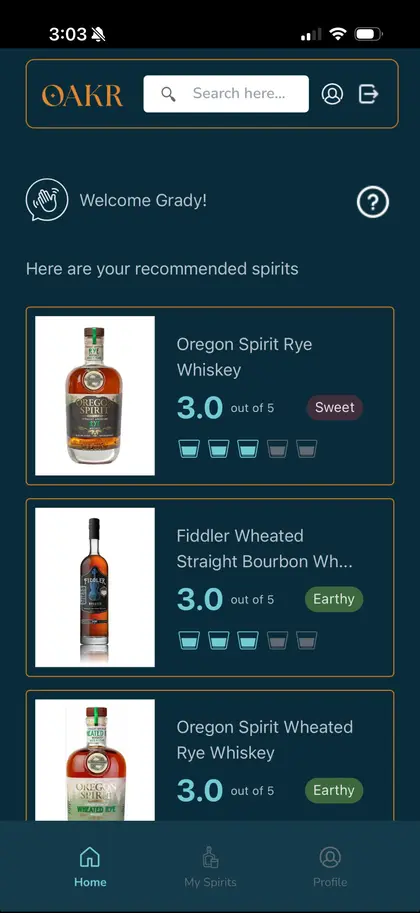
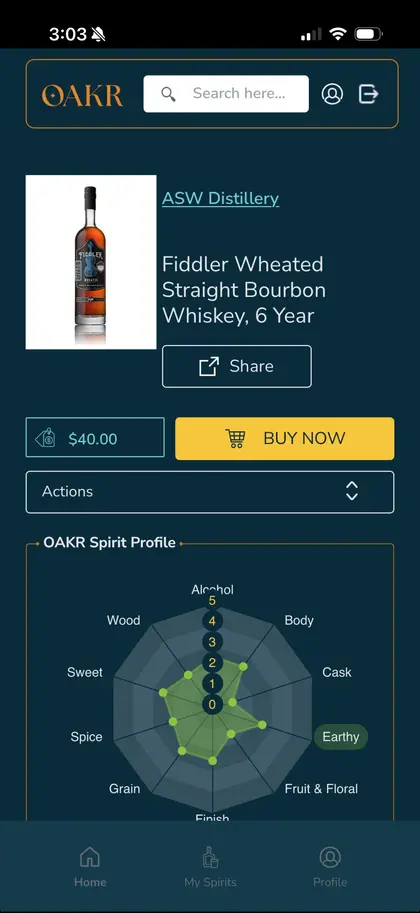
Instead of guessing how a specific bourbon mashbill translates to flavor, OAKR shows you the aggregated flavor profile before you buy. It’s like having a cheat sheet for your liquor store run. Explore the app and discover in-depth flavor profiles about spirits and get personalized recommendations just for you.
The Bottom Line
Don’t be the guy who buys a bottle just because it’s “rare” or “allocated.” Be the guy who knows what he likes. Understand the basics of the bourbon mashbill—know if you want rye spice or wheat sweetness—and then let technology do the rest.
Download OAKR. Get personalized recommendations that actually fit your palate. Stop drinking bad whiskey. It’s really that simple.