Tennessee Whiskey vs. Kentucky Bourbon: The Distinction That Matters
Federal law recognizes Tennessee whiskey as a separate category from bourbon. The category requires everything bourbon requires — at least 51% corn in the mashbill, new charred oak barrels, distilled to no more than 160 proof — plus one additional step: filtration through sugar maple charcoal before barreling. That filtration step is called the Lincoln County Process.
What Big Machine does is split the difference. Their flagship Clayton James Tennessee Whiskey runs through the Lincoln County Process. Their Borchetta Bourbon, made on the same mashbill from the same equipment, skips it. Same starting point, same fermentation, same distillation — two products that read meaningfully differently on the palate because of one filtration step.
Mashbills and Yeast: A Recipe Built Around White Corn
The mashbill behind both Clayton James and Borchetta Bourbon is reportedly 74% white corn, 13% hard red winter wheat, and 13% malted barley. Most bourbon uses yellow dent corn. Big Machine uses heirloom white corn, grown within five miles of the Lynnville distillery and milled on a restored 1950s stone mill on site.
White corn isn’t a marketing choice. It tastes different from yellow corn — sweeter, lighter, more forward in the spirit. The 13% secondary grain is hard red winter wheat, making this a wheated bourbon/whiskey, the same family as Maker’s Mark and W.L. Weller.
Big Machine uses sweet mash rather than sour mash, starting fresh every time. The proprietary yeast strain produces fruit-forward esters that show up as stone fruit and pastry notes in the finished spirit.
Bourbon Stills and Production
The still hardware is a 500-gallon Vendome copper pot still paired with a six-plate rectification column. Each batch yields about 50 gallons of usable hearts at 140-155 proof. Pot stills leave more congeners and oils in the spirit, producing more weight, texture, and grain expression.
For the Tennessee whiskey, the spirit gets dripped slowly through a thick column of sugar maple charcoal before barreling. The Borchetta Bourbon line skips this step entirely — the spirit goes directly into the barrel. The result is bolder, oilier, and more grain-forward than its Lincoln County sibling.
Barrels and Aging
Big Machine works with #3 and #4 char ranges and ages in multi-story rickhouses on the Lynnville property. Tennessee’s hot, humid summers and proper winters drive aggressive barrel maturation. Top floors run hotter with more aggressive aging; bottom floors run cooler with slower, gentler development.
The Single Barrel Cask Strength program bottles individual barrels straight, hand-selected for character. The Clayton James single barrels can land anywhere in the 130-145 proof range.
About the Distillers
The founding distiller is Clayton “Clay” Cutler, who built the operation from a 5-gallon stovetop still up to the 500-gallon Vendome. The current Master Distiller is Devin Walden, who serves as Director of Production Operations. Almost every employee at the Lynnville distillery is a woman — head distillers Markeila Hamm in Lynnville and Halley Wells in Nashville run day-to-day production.
Flagship Products: The Buying Guide
Clayton James Tennessee Whiskey — 90 proof, ~$40. The flagship. Wheated mashbill, Lincoln County Process. Vanilla and caramel up front, soft mid-palate, cornbread sweetness on the back end.
Borchetta Bourbon Small Batch — 94 proof, ~$50. Same mashbill as Clayton James, no Lincoln County filtration. Bolder, oilier, more grain expression.
Borchetta Bourbon Red Corn Reserve — Cask strength, varies, ~$80+. Red heirloom corn shifts the profile toward darker fruit — cherry, plum — alongside cinnamon and pepper notes.
Clayton James Single Barrel Cask Strength — varies, 130-145 proof. Hand-selected single-barrel pulls at full barrel proof.
Borchetta Bourbon Single Barrel Cask Strength — varies, ~115-117 proof. The bourbon equivalent.
Stop Guessing at the Shelf
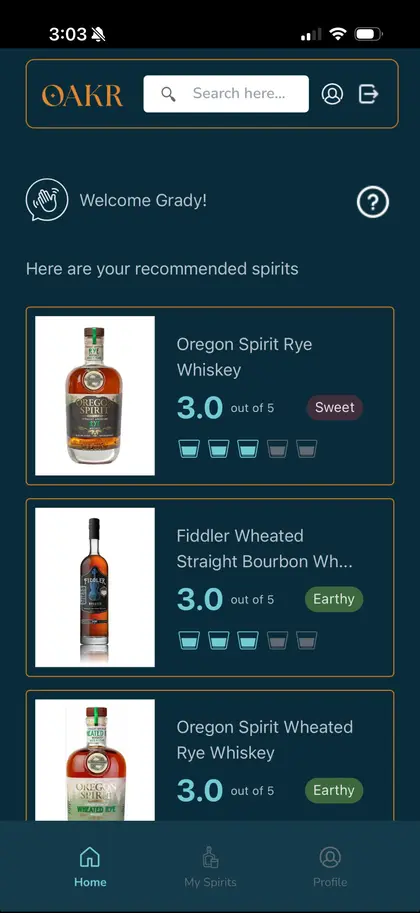
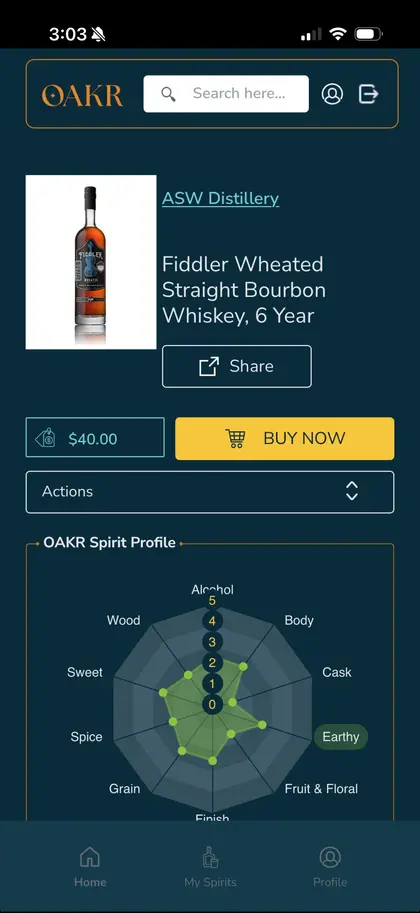
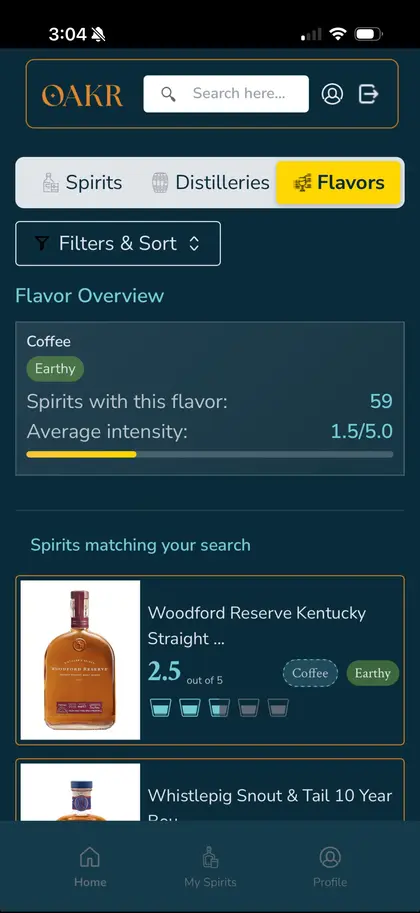
OAKR’s blind tasting panel scores every bourbon and Tennessee whiskey across more than 100 flavor notes, organized into 10 macro categories. Spirit Match scores show you which Big Machine release is most likely to land for your specific palate.
[Download OAKR free on iOS, Android, or web →]