
The detail most coverage of 18th St. Distillery buries in the middle of the article is this: their distiller treats the wash like a craft beer. Drew Fox didn't come to whiskey from a bourbon background. He came from 18th Street Brewery — a legitimate, award-winning craft beer operation in Hammond, Indiana. When he started distilling, he didn't abandon the brewer's approach to fermentation. He doubled down on it. The mash gets the same grain selection, the same attention to yeast health, and the same obsessive temperature management that goes into a double IPA. The difference is that the beer goes into a pot still instead of a keg. That brewer-to-distiller pipeline changes the whiskey in ways you can taste. The base spirit coming off 18th St.'s still carries ester complexity and grain character that most bourbon distilleries don't chase — because most bourbon distilleries don't think like breweries. Fox's operation does, and it produces a spirit with a signature that starts in the fermenter, not the barrel. This guide breaks down how a century-old Hammond warehouse became the first award-winning artisan distillery the city has seen since Prohibition, and what that means for the bottles on the shelf.

18th St. Distillery sits in a repurposed century-old warehouse in Hammond, Indiana — a city defined by steel mills and industrial grit, about 25 miles southeast of downtown Chicago. This isn’t bourbon country by any traditional measure. There are no rolling bluegrass hills, no limestone spring houses, no heritage distillery trail. Hammond is Rust Belt, and the distillery doesn’t pretend otherwise.
Drew Fox built 18th Street Brewery into a major player in the Indiana craft beer scene before turning to spirits. The distillery grew out of the brewery as a logical extension: if you already understand grain, fermentation, and flavor development, distillation is the next variable to control. The distillery side opened in 2018, making it the first artisan distillery in Hammond since Prohibition — a low bar historically, but one that required real capital and commitment to clear.
Fox didn’t wing the transition. He enrolled at Moonshine University in Louisville, Kentucky — a legitimate distillation education program — and completed the 6-Day Distiller course. The program covers still operation, cut management, safety protocols, and the chemistry of fermentation and distillation. It’s not a weekend hobby class; it’s where serious startup distillers go to learn what they don’t know. Fox paired that technical education with his existing fermentation expertise, and the combination shows in the product.
The brewery and distillery share space, resources, and philosophy. The warehouse setting means no climate-controlled rickhouse — barrels age in Hammond’s weather, which is a production factor, not a flaw.
18th St.’s grain program reflects the brewery heritage. They source from Sugar Creek Malt Co. in Lebanon, Indiana — a craft maltster that supplies high-quality barley, rye, and specialty grains to breweries and distilleries across the Midwest. Some mashbills use 78% native Indiana white corn. These aren’t commodity feed-grade grains bought at the lowest price; they’re the same caliber of ingredients that go into 18th Street Brewery’s beer.
The bourbon mashbill leans high-rye. Exact percentages aren’t published with the precision of a Four Roses recipe card, but the profile is clear in the glass: a corn-dominant base for sweetness and body, with a significant rye charge that delivers pepper, baking spice, and a dry edge. The rye content is high enough that the bourbon pushes back — this isn’t a soft, wheated sipper designed to disappear. It has a point of view.
They also use brewing-grade 2-row and 6-row barley and high-quality rye — the same grains that go into their award-winning beers. The brewer’s instinct to treat grain as a flavor ingredient, not just a sugar source, carries directly into the distillate.
The real differentiator is the yeast. 18th St. cultivates a proprietary house yeast strain — not a commercially available distiller’s yeast, but a strain specific to their operation. This is a significant commitment. Maintaining a proprietary culture requires ongoing management, and it means no other distillery can replicate the ester profile that strain produces.
The house yeast leans fruity and complex. During fermentation, it generates a set of esters that give the base spirit a signature character before the liquid ever touches oak. Think of it as the flavor foundation — the barrel adds its own notes on top, but the underlying fruitiness and complexity come from the yeast. Combined with the spicy, grain-forward mashbill, the result is a wash that’s already flavorful before distillation concentrates it.
18th St. uses pot still distillation. No column stills, no continuous operation, no industrial-scale throughput. Pot stills are batch processors: fill, heat, collect, clean, repeat. They’re slower, yield less product per run, and require more hands-on attention. They also produce a heavier, oilier distillate with more of the congeners — the flavor compounds — intact.
The still geometry matters here. Shorter, wider pot stills allow more of the heavier oils and flavor-carrying compounds to pass into the final spirit. Taller stills strip more of that character out, producing a lighter, cleaner spirit. 18th St.’s setup is designed to retain character, not remove it. The result is a new-make spirit with a thick, textured mouthfeel and noticeable grain presence — the kind of weight that stands up to aggressive oak aging without getting bulldozed by wood tannins.
The brewer’s advantage shows up most clearly in how they handle the wash. Most bourbon distillers treat the fermenting mash as a step to get through on the way to the still. Fox’s team treats it the way a brewer treats a beer — monitoring fermentation temperature closely, managing yeast health, and optimizing conditions for ester development. The wash that goes into 18th St.’s pot still is, functionally, an unhopped beer made with brewing-grade ingredients and brewing-level care. That quality of input is the main reason the output has the flavor density it does.
Cuts — the separation of heads, hearts, and tails during distillation — are made by hand. The distillers taste and smell their way through each run, pulling the hearts at the point where the spirit carries the most character without the harsh volatiles of the heads or the heavy, oily compounds from the tails. This is labor-intensive and judgment-dependent, which means slight batch-to-batch variation is built into the process. That variation is the tradeoff for flavor depth.
New charred American oak barrels, as legally required for bourbon. But 18th St. varies barrel sizes in ways most distilleries don’t. They’ve used 25-gallon barrels alongside standard 53-gallon cooperage. Smaller barrels mean more surface area contact between the liquid and the wood relative to the volume of spirit. Combined with Hammond’s climate, this creates an accelerated aging environment.
The char level runs heavy — alligator char, the highest standard level. This creates a thick layer of carbon on the barrel’s interior that acts as a filter (removing sulfur compounds) and a flavor source (releasing vanillins, caramelized sugars, and tannins). Heavy char on a small barrel with an oily, pot-distilled spirit inside is an aggressive combination. The whiskey extracts color and flavor fast.
Hammond’s climate does the rest. Indiana summers push warehouse temperatures well above 100°F — the distillery’s warehouse reportedly cycles up to 110°F during peak heat. Winters drop below freezing. These extreme swings force the spirit deep into the wood during expansion and pull it back loaded with flavor during contraction. The result is a whiskey that tastes older than its age statement. A two- or three-year bourbon from 18th St. can drink with the complexity of a five-year-old Kentucky product, because the Hammond heat has been beating those barrels relentlessly.
The tradeoff is angel’s share. Evaporation runs high in those conditions, and the aggressive extraction can occasionally push a barrel toward over-oaked territory if left too long. Fox and his team manage that risk by tasting barrels regularly and pulling them when they’re ready — not on a fixed schedule.
The flavor profile that emerges from this barrel program tends toward dark, rich, dessert-adjacent territory: maple, dark cherry, fig, deep vanilla. The heavy char and Indiana heat concentrate tannins and wood sugars in a way that produces a spirit with real weight. It’s not subtle whiskey. If you’re looking for a light, floral pour, this isn’t it.
Drew Fox is the founder, head distiller, and driving force. His path — from craft brewer to Moonshine University graduate to owner of Hammond’s first post-Prohibition distillery — is unusually transparent. No invented heritage, no fictional founding narrative. Fox’s credibility comes from his brewing track record and his willingness to learn the distilling side formally rather than winging it.
His production philosophy can be summarized in one line the distillery uses internally: “We will not rush.” In practice, that means small batches, patient aging (relative to the accelerated Indiana environment), and a willingness to hold back product until it’s ready rather than releasing it to meet a sales target. The lineup reflects this — it’s not a wall of fifteen expressions. It’s a focused portfolio where each release has had enough time to develop.
Fox’s brewing background shows up in his experimental instinct. He’s not content to run a single mashbill on repeat. The distillery produces rye whiskey, bourbon, vodka, rum, moonshine, and gin — a diverse portfolio that reflects the brewer’s tendency to tinker. Some releases use beer barrels from the brewery for finishing, which creates unique crossover flavors (stout-barrel-finished bourbon, for example) that wouldn’t exist without the shared brewery-distillery operation.
The team is small. Fox is hands-on in production, not a figurehead. The scale demands it — at this volume, the head distiller is also the person monitoring fermentation, making cuts, and tasting barrels.
18th Street Bourbon Whiskey — The flagship. High-rye mashbill with Indiana corn. Bold, spicy, and grain-forward. Expect vanilla and bready malt on the entry, a rye-driven pepper kick in the mid-palate, and a warm finish with oak and a touch of dark fruit. Younger age statements mean you taste the grain, not just the barrel. Works exceptionally well in an Old Fashioned, where the spice and heat stand up to sugar and bitters. Not a bourbon for people who only drink soft wheaters — this one has edges, and they’re intentional.
18th Street Rye Whiskey — American rye, not Canadian blended. Spicy, herbal, and dry. Black pepper and baking spice dominate, with citrus undertones and a clean, assertive finish. The brewer’s approach to grain handling gives this rye a complexity that distinguishes it from the MGP rye profile that dominates the craft market. If you want a rye that actually tastes like it was made by the distillery on the label, this delivers.
Spirit of the Region / Special Finishes — Limited releases finished in beer barrels from 18th Street Brewery. Stout barrels add chocolate and coffee. IPA barrels can add hop bitterness and citrus. These releases bridge the gap between beer and whiskey in a way that only a combined brewery-distillery operation can pull off. Availability is limited — small runs that sell through quickly. Worth hunting if you’re into the experimental end of American whiskey.
Vodka, Rum, Moonshine, Gin — The broader portfolio reflects Fox’s restless production instinct. The vodka is clean, the moonshine is the unaged corn spirit in its rawest form, and the gin reflects the brewer’s comfort with botanical ingredients. These aren’t the main event, but they demonstrate the distillery’s range and its willingness to apply the brewer’s approach across multiple spirit categories.
Cons to keep in mind: batch variation is real with pot-distilled, small-scale production. Younger age statements won’t appeal to everyone. Pricing reflects craft economics — you’re paying for the ingredients, the process, and the lack of economies of scale. Distribution is limited, so you may need to seek these bottles out.
18th St. Distillery doesn’t have the name recognition of a Kentucky heritage brand. They’re a brewery-born, pot-distilled operation in an Indiana warehouse, making whiskey that tastes like Hammond and doesn’t apologize for it. If you’ve never heard of them, you’re not alone — and that’s exactly the kind of distillery worth discovering.
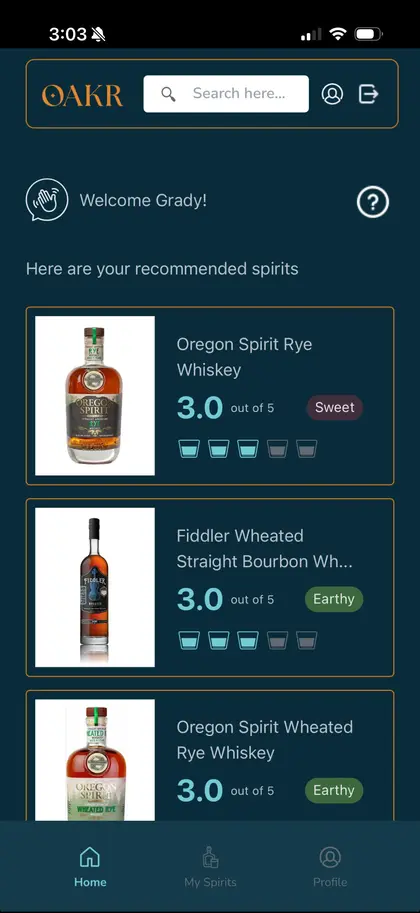
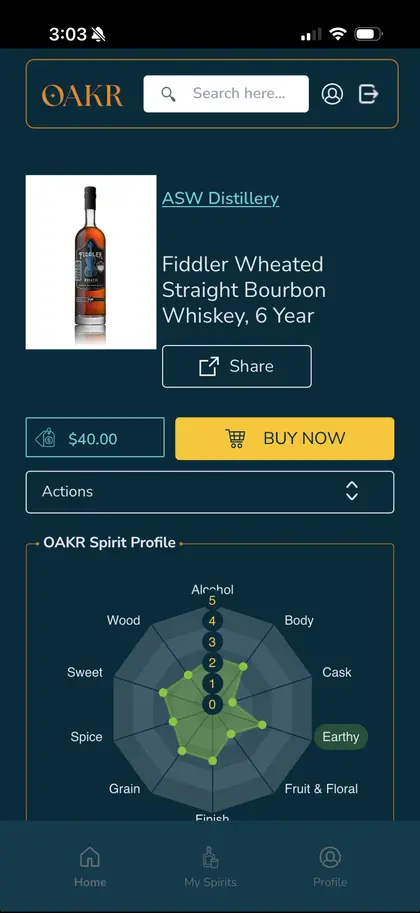
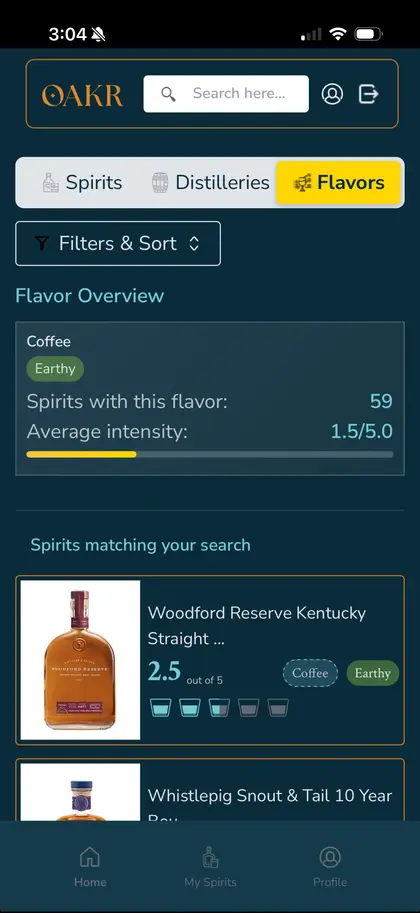
OAKR’s blind tasting panel evaluates every spirit without knowing the brand, the price, or the origin story. The panel scores across 100-plus individual flavor notes, organized into 10 macro categories, producing a flavor profile built entirely on what’s in the glass. When you look up an 18th St. expression in OAKR, you’re seeing how it actually tastes — not how the label says it should taste.
The Spirit Match score goes further. OAKR’s AI palate profiling learns from every bottle you rate, building a map of your preferences across flavor categories. It can tell you whether 18th St.’s heavy, spice-forward, pot-distilled profile aligns with what you actually enjoy — or whether you’d be happier with something lighter, sweeter, or more barrel-driven. That’s the kind of information that saves you from a $50-plus bottle you’ll never finish.
If you’re a drinker who looks past the big names and hunts for distilleries doing their own thing, OAKR’s discovery tools are built for you. The data cuts through the noise and puts the flavor first.
[Download OAKR free on iOS, Android, or web →]

Bourbon enthusiast, spirits industry analyst, and the voice behind OAKR's distillery guides, brand reviews, and bourbon education content. Visiting distilleries, dissecting mashbills, and translating the craft into data since 2024.
18th St.’s brewer-born whiskey delivers flavors most distilleries never chase. Curious if it’s your style? OAKR’s blind tasting data and AI palate profiling help you discover hidden gems — without the expensive trial and error.