
A bottle of Redwood Empire Pipe Dream Bourbon costs about $40. A bottle of Redwood Empire Haystack Needle costs $70 or more. Both are blended at the same facility in Sonoma County, California. Both use bourbon sourced primarily from MGP in Lawrenceburg, Indiana. The difference is twelve years of aging and a secondary maturation in wine casks — port, cabernet sauvignon, or other varietals depending on the release. That gap between the $40 core expression and the $70+ finished expression tells you everything about what Redwood Empire is actually doing: they are a blending and finishing house that takes high-quality sourced bourbon and rye, ages and finishes it in the cool Northern California coastal climate, and releases it under a brand identity built around environmental conservation. Understanding the two ends of the lineup — Pipe Dream versus Haystack Needle — is the fastest way to understand what you are buying. The comparison also reveals the production question at the center of the brand. Pipe Dream blends barrels aged between four and twelve years. Haystack Needle uses 12+ year stocks finished in wine casks. The base whiskey in both cases is excellent MGP distillate. The variable is time and wood. Whether that variable is worth the $30 price difference depends entirely on whether your palate responds to the wine-cask influence. Some drinkers find the port or cabernet finish transformative. Others find it distracting. That is a palate question, not a quality question.

Redwood Empire Whiskey is produced by Graton Distilling Company in Sonoma County, California. The distillery was founded around 2014 in the Russian River Valley — one of California’s most renowned wine regions. The location is not incidental. Access to used wine barrels from neighboring wineries is essentially a local supply chain advantage, and the cool, maritime-influenced climate provides an aging environment fundamentally different from the hot, humid warehouses of Kentucky.
The brand identity is built around California’s coastal redwood forests. Every product is named after a specific famous redwood tree: Pipe Dream (the 14th tallest tree on earth, 367 feet), Lost Monarch (the world’s largest coastal redwood), Haystack Needle, Grizzly Beast, and Emerald Giant. For every bottle sold, Redwood Empire partners with Trees for the Future to plant a tree. This is a genuine conservation commitment, not a greenwashing gesture — the partnership has resulted in millions of trees planted.
Graton Distilling sources bourbon and rye from MGP (now Ross & Squibb) in Lawrenceburg, Indiana, and also produces its own whiskey on-site. The core lineup uses MGP distillate. The California-distilled whiskey is a newer and smaller part of the portfolio. The sourcing is not hidden — the brand has been transparent about where the base whiskey originates.
The bourbon mashbill for the core Pipe Dream expression is 75% corn, 21% rye, and 4% malted barley — the standard MGP high-rye bourbon recipe. This mashbill produces a bourbon with moderate spice, black pepper, and a dry rye bite alongside the corn’s caramel and vanilla sweetness.
Lost Monarch, the bourbon-rye blend, combines 60% rye whiskey (95/5 rye/malted barley mashbill) with 40% bourbon (75/21/4). The blend marries the sweetness of bourbon with the savory spice of rye, creating a profile that sits between the two categories.
The rye expressions use MGP’s 95% rye, 5% malted barley mashbill — the same recipe that dozens of other brands source from MGP, but the difference is what Redwood Empire does with the barrels after they arrive in California.
Because the base whiskey is distilled at MGP, the yeast, fermentation, and distillation are MGP’s domain. Redwood Empire’s contribution begins at barrel selection and continues through blending, finishing, and aging in the California coastal climate.
The primary distillation for the core lineup happens at MGP’s column-still operation in Lawrenceburg, Indiana. Graton Distilling also operates distilling equipment on-site in Sonoma County, but the volume and age of their own production is still maturing compared to the sourced stocks that anchor the brand.
The production technique that defines Redwood Empire is the blending and finishing program. For the Haystack Needle series, 12+ year old MGP bourbon is finished in wine casks — port, cabernet sauvignon, and other varietals sourced from neighboring Sonoma and Napa wineries. The wine-cask finishing adds dried fruit, tannic structure, and vinous sweetness that American oak alone does not provide. Each Haystack Needle release uses a different wine cask type, creating meaningfully different flavor profiles from the same base spirit.
The Bottled-in-Bond and cask-strength expressions in the lineup are bottled at higher proofs without wine-cask finishing, allowing the base MGP distillate and the California aging environment to express themselves without the additional variable of secondary wood.
This is where Redwood Empire’s California location becomes the core differentiator. Bourbon aged in Kentucky’s hot, humid climate undergoes aggressive seasonal temperature cycling — the whiskey is forced deep into the wood in summer heat and pulled back out in winter cold. This produces rapid color and flavor extraction but also significant evaporation.
The Northern California coast has a different profile: cooler average temperatures, less dramatic seasonal swings, and moderate humidity influenced by the Pacific Ocean. Bourbon aged in this environment experiences a slower, more even extraction. The whiskey interacts with the wood less violently, which can produce a more integrated, balanced flavor development over time. The angel’s share dynamics also differ — in cool, moderate climates, the proof trajectory and evaporation rates produce different concentration effects than Kentucky warehouses.
For the Pipe Dream core bourbon, barrels aged between four and twelve years are married and bottled at 90 proof. The age range means the blend includes both younger, brighter barrels and older, more oak-influenced ones. The blending is where the craft lies — balancing youth and maturity to create a consistent profile.
The Haystack Needle barrels are 12+ years old before the wine-cask finishing begins. The wine-cask secondary maturation adds months of additional aging in a different wood type. Port casks contribute dried fruit and residual sweetness. Cabernet barrels add dry tannin and dark berry character. The finishing period in the cool Sonoma climate allows the wine influence to integrate slowly rather than dominating the bourbon’s natural character.
The team at Graton Distilling manages the blending, finishing, and bottling program that defines the Redwood Empire brand. Their expertise is curatorial — selecting the right MGP barrels, determining finishing durations in wine casks, and blending for consistency across the lineup. The conservation partnership with Trees for the Future reflects a brand philosophy that extends beyond the liquid itself.
Pipe Dream Bourbon — 90 proof. 75/21/4 mashbill. A blend of 4-12 year old barrels. Baking spice, dark chocolate, cola, and hints of vanilla. The most savory bourbon in the lineup, with rye spice taking the lead. Solid and reliable at roughly $40. The daily drinker.
Lost Monarch Blended Straight Whiskey — 90 proof. 60% rye, 40% bourbon. Floral rye notes up front, butterscotch and vanilla on the palate, fennel and soft spice on the finish. The best-of-both-worlds expression for drinkers who cannot choose between bourbon and rye.
Haystack Needle Port Cask Finish — 90 proof. 12+ year old bourbon finished in port wine casks. Dried fruit, residual sweetness, and a tannic depth that the standard Pipe Dream does not have. This is the expression that made the Haystack Needle series a collector’s target.
Haystack Needle Cabernet Sauvignon Finish — 12+ year old bourbon finished in cabernet barrels. Drier and more tannic than the port finish, with dark berry and structured oak. For drinkers who prefer complexity over sweetness in their finishing influence.
Emerald Giant Rye — 90 proof. 95/5 rye mashbill. Classic MGP rye profile — sharp pepper, herbal spice, and a dry finish. Aged in the California climate, which rounds some of the sharpest edges compared to Indiana-aged versions of the same mashbill.
Grizzly Beast Bottled-in-Bond Bourbon — 100 proof. BiB designation, minimum four years. The high-rye bourbon at a higher proof without wine-cask finishing. More oak structure and spice intensity than the Pipe Dream, and a useful comparison point for understanding the base spirit before finishing.
At $60-$80 per bottle, the Haystack Needle series is an investment. The wine-cask finishing is polarizing — it adds complexity that some palates love and others find intrusive. Before spending that kind of money on a finished bourbon you have not tasted, knowing whether your palate gravitates toward dried-fruit sweetness (port finish) or dry tannin (cabernet finish) saves you from a purchase that sits half-full on your shelf.
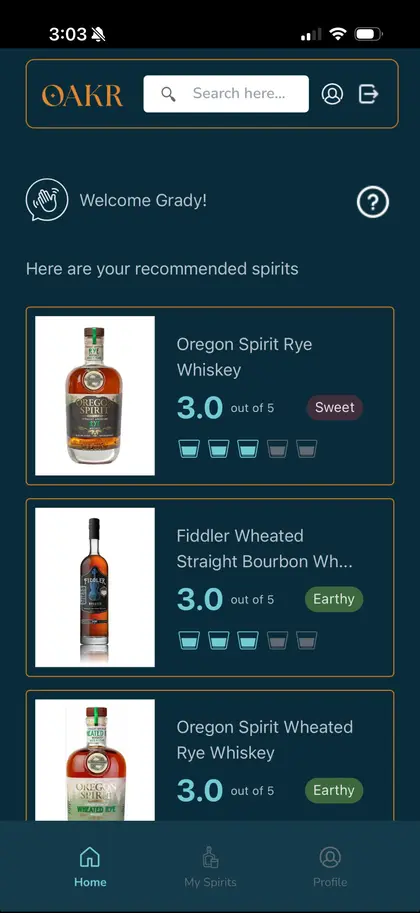
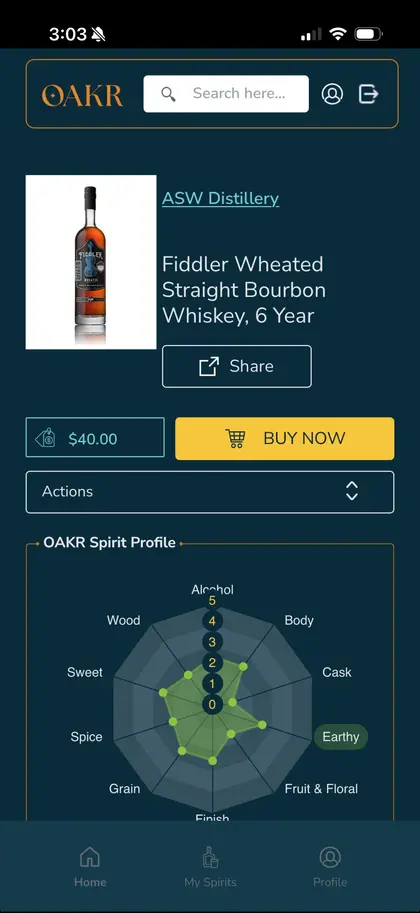
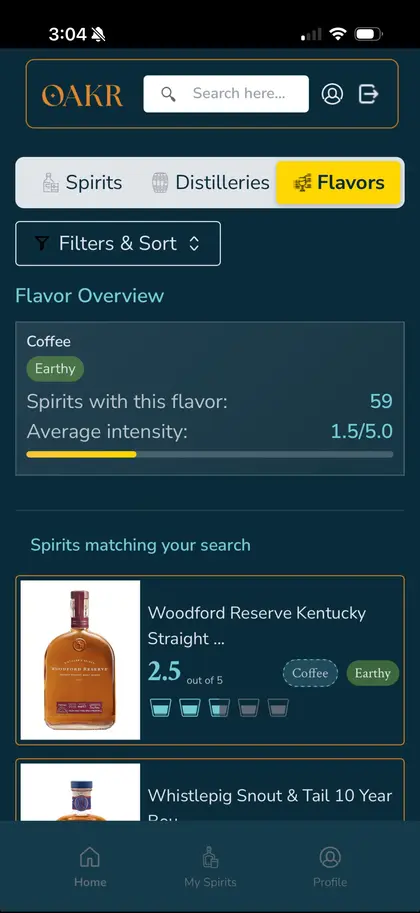
OAKR’s blind tasting panel evaluates each expression without knowing what is in the glass, scoring across 100+ flavor notes in 10 macro categories. For a lineup where the base whiskey is identical but the finishing cask changes the flavor dramatically, the panel data shows you exactly where each expression diverges. Your Spirit Match score maps your palate against the port finish, the cabernet finish, and the unfinished BiB, so you can choose the expression calibrated to your taste — not the one with the most appealing tree name.
[Download OAKR free on iOS, Android, or web →]

Bourbon enthusiast, spirits industry analyst, and the voice behind OAKR's distillery guides, brand reviews, and bourbon education content. Visiting distilleries, dissecting mashbills, and translating the craft into data since 2024.
Redwood Empire’s wine-cask finishes produce dramatically different flavors from the same base spirit. Your Spirit Match tells you whether the port finish or cabernet finish fits your palate — before you commit to the bottle.