
Most coverage of PCS Distilling Co. leads with the building. The Prohibition-era tunnels underneath Baxter Avenue. The history of the space — former drugstore, bakery, nightclub, and speakeasy. The NuLu neighborhood branding and the Louisville craft scene. That makes for good copy, but it tells you nothing about what is in the glass. The bottle that actually explains what PCS is doing sits on the shelf labeled NULU Bourbon Whiskey Finished in Amburana Barrels. It is a sourced bourbon — distilled at MGP in Lawrenceburg, Indiana, with a 75/21/4 high-rye mashbill — that has been finished in Brazilian Amburana wood. The Amburana imparts cinnamon, tonka bean, and a warm spice character that is unlike anything American oak or French oak produces. It won a Fred Minnick blind tasting competition. It is also completely impossible to replicate by accident. That bottle, more than the tunnels or the neighborhood name, is the thesis statement for what PCS does: take known, high-quality base whiskey and transform it through deliberate, creative cask finishing. If you are evaluating PCS as a bourbon producer, the sourcing is the fact to address first. They source bourbon primarily from MGP — the massive Lawrenceburg distillery now operating under the Ross & Squibb name — using both the 75/21/4 and 60/36/4 mashbills. They are transparent about this. The back label tells you where the bourbon was distilled. PCS is not pretending to be a grain-to-glass operation. What they are doing is selecting barrels, finishing them in exotic casks, and blending with a level of intentionality that transforms the source material into something distinct.

PCS Distilling Co. — Prohibition Craft Spirits — operates out of a historic building on Baxter Avenue in Louisville’s NuLu (New Louisville) district. The building has housed a drugstore, bakery, restaurant, and nightclub across 150 years. Beneath it, tunnels from Louisville’s Prohibition-era smuggling network are still accessible. The distillery uses the building’s history as a backdrop but not as a production gimmick.
Keith Hazelbaker, a certified financial planner, was approached in 2015 by two fledgling craft distillers looking for business advice. He ended up buying the company in 2016, inheriting its debt, its building, and its ambition. Hazelbaker paid off hundreds of thousands in outstanding bills, rebuilt the operation, and redirected the brand toward bourbon. His sons — including Carson Hazelbaker (IT) — are involved in the family business. Master Distiller Harrison Hyden, a Louisville native, runs production and has named each PCS brand after Louisville neighborhoods: NULU for the bourbon line, Phoenix Hill for vodka, Highlands for gin, Baxter’s for rum.
PCS produces its own vodka, gin, rum, and moonshine on-site using a small distilling setup. But the bourbon — the product that built the brand’s reputation — is sourced and finished. This is an honest NDP (non-distiller producer) model. They buy aged bourbon from MGP, bring it to their Louisville warehouse, and apply their finishing and blending program before bottling.
The NULU bourbon lineup draws primarily from two MGP mashbills. The first is 75% corn, 21% rye, and 4% malted barley — a moderately high-rye recipe that produces a bourbon with caramel sweetness balanced by black pepper and baking spice. The second is 60% corn, 36% rye, and 4% malted barley — one of the highest-rye bourbon mashbills in commercial production, delivering aggressive spice, dark fruit, and a dry, assertive finish.
Because the bourbon is sourced from MGP, the yeast, fermentation, and distillation are MGP’s work. What PCS controls is barrel selection, finishing, blending, and bottling. Their Hazelbaker Bottled-in-Bond line, for example, takes MGP bourbon aged five-and-a-half years in Indiana, transfers it to the PCS Distilling bond in Louisville, and re-barrels it in heavily toasted and charred new American oak for an additional two years. The re-barreling is where PCS’s fingerprint begins — they are not just bottling someone else’s bourbon, they are re-aging and finishing it to create a different product.
PCS operates small-scale distilling equipment on-site for their vodka, gin, rum, and moonshine. These products are grain-to-glass. The bourbon, however, is not distilled at PCS. It arrives as aged bourbon from MGP’s column-still operation in Lawrenceburg.
The production technique that defines PCS is the finishing program. After selecting barrels from MGP, the PCS team applies secondary maturation in a variety of exotic casks. The Amburana barrel finish uses wood from the Brazilian Amburana tree, which imparts cinnamon, tonka bean, and a warm sweetness unlike any oak species. The Toasted Barrel finish uses new American oak barrels that are toasted (slow, low heat) rather than charred (fast, high heat), dialing up vanilla and marshmallow notes while reducing the smoky, tannic character of standard charring. The Double Oaked expression finishes bourbon in a second new charred American oak barrel, essentially doubling the wood influence.
The French Oak finish uses staves from tight-grained French oak, which imparts flavor more slowly and subtly than American oak — adding dry spice, clove, and a more tannic structure. PCS also experiments with finishes in honey barrels, tequila barrels, and wine casks through their Experimental Finish Series.
Each finish takes the same MGP base spirit and creates a meaningfully different flavor profile. This is the core value proposition: the base whiskey is consistently excellent (MGP’s reputation for quality is well-established), and the finishing transforms it into something PCS-specific.
The source bourbon arrives at PCS already aged — typically five to eight years in new charred American oak at MGP’s Lawrenceburg facility. PCS then applies secondary aging in their Louisville warehouse using the various finishing casks described above. The finishing periods range from roughly 6 to 14 months depending on the expression and the wood type.
The Louisville climate provides the seasonal temperature cycling that drives barrel interaction during the finishing period. The NULU Single Barrel expressions are bottled at cask strength — whatever proof the barrel reached after the combined aging and finishing period. Non-chill-filtered across the lineup, preserving the oils and texture that the finishing casks contribute.
The Hazelbaker Bottled-in-Bond expressions carry a specific provenance: distilled at MGP, aged in Indiana for a defined period, then transferred to the PCS bond in Louisville for re-barreling and additional aging. The BiB designation means the finished product meets the 1897 Act requirements — single distillery origin, single season, minimum four years, 100 proof.
Keith Hazelbaker is the founder and president. His background in financial planning is an unusual entry point for the spirits industry, but it shows in the business structure — PCS runs lean, manages its barrel inventory carefully, and prices aggressively for the quality level. Hazelbaker’s contribution is curatorial: he selects the barrels, oversees the finishing program, and makes the blending decisions that define each release.
Harrison Hyden is the Master Distiller and a Louisville native. He manages the on-site distilling operations for the non-bourbon products and oversees the finishing and bottling processes for the NULU and Hazelbaker lines. Each PCS brand is named after a Louisville neighborhood, reflecting Hyden’s connection to the city.
NULU Reserve Straight Bourbon Whiskey — Barrel proof, non-chill-filtered. A blend of MGP straight bourbon barrels selected for balance and complexity. Caramel, vanilla, oak, baked apple, and cinnamon. The foundation of the lineup and a strong introduction to the house style. Rich mouthfeel from the non-chill-filtration.
NULU Toasted Small Batch Bourbon — Finished in toasted (not charred) new American oak barrels. The toasting process dials up marshmallow, chocolate, graham cracker, and baking spice while reducing the smoky, tannic bite of standard char. This is the expression designed to convert drinkers who think they do not like bourbon.
NULU Bourbon Whiskey Finished in Amburana Barrels — The standout. Brazilian Amburana wood finishing adds cinnamon, tonka bean, and a warm spice character that has no equivalent in the American or French oak finishing traditions. Fred Minnick blind tasting winner. This bottle is the clearest statement of what the finishing program can achieve.
NULU French Oak Finished Bourbon — Toasted French oak stave finishing. Drier and more tannic than the American oak expressions, with cinnamon, clove, and nutmeg complexity. Less dessert-forward, more conversation-starter. The bourbon that studied abroad.
NULU Double Oaked Bourbon — Finished in a second new charred American oak barrel for approximately 10 months. 7+ years total age. Intensified oak, vanilla, and dark caramel. For drinkers who want the maximum barrel influence.
Hazelbaker Bottled-in-Bond — 100 proof, 7+ years. MGP bourbon aged 5.5 years in Indiana, re-barreled in heavily toasted and charred new American oak in Louisville for 2 additional years. Rich fruit, marshmallow, and campfire smoke. The BiB designation and the re-barreling program combine to create the most structured expression in the lineup.
NULU Cask Strength Single Barrel — Individual barrel selections bottled at full proof. Each barrel is unique. The single barrel program is where the most interesting variations in the finishing program show up — one Amburana barrel will express differently than the next.
PCS takes the same MGP base spirit and runs it through five or six different finishing programs. The result is a lineup where the common thread is the source whiskey’s quality, but the flavor differences between expressions are dramatic. The Amburana finish and the Toasted finish do not taste like the same bourbon. They barely taste like the same category.
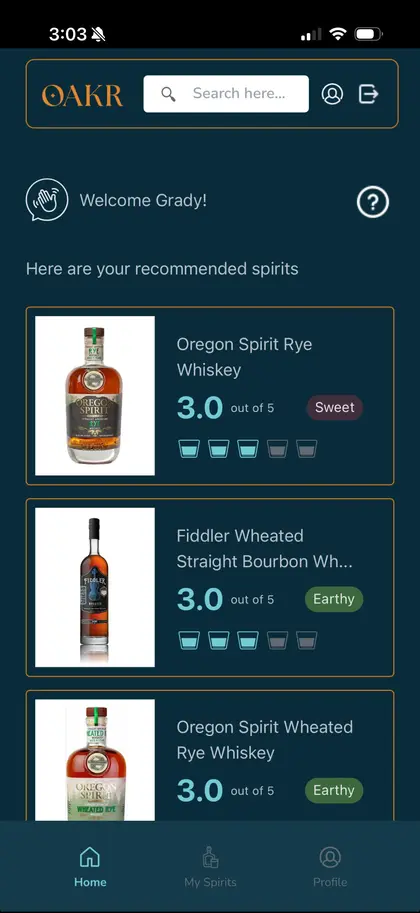
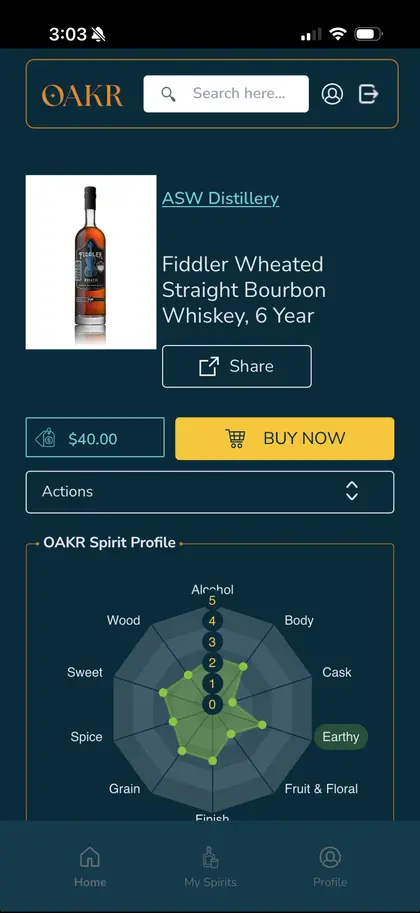
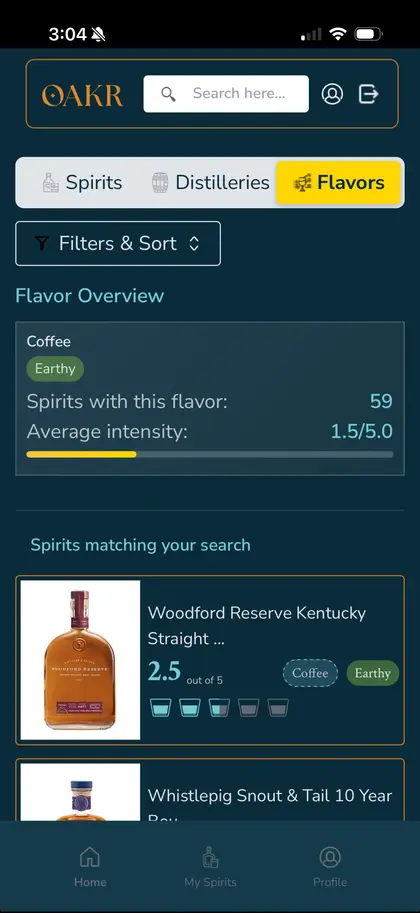
That range is a palate question, not a quality question. OAKR’s blind tasting panel scores every spirit across 100+ flavor notes in 10 macro categories, and when the base spirit is identical but the finishing cask changes everything, the panel data shows you exactly where each expression lands on the flavor map. Whether you gravitate toward the warm spice of the Amburana, the dessert sweetness of the Toasted, or the dry tannin of the French Oak depends entirely on your personal palate architecture. Your Spirit Match score tells you which finish aligns with what you actually prefer — so you spend your money on the expression built for your taste, not the one with the most interesting backstory.
[Download OAKR free on iOS, Android, or web →]

Bourbon enthusiast, spirits industry analyst, and the voice behind OAKR's distillery guides, brand reviews, and bourbon education content. Visiting distilleries, dissecting mashbills, and translating the craft into data since 2024.
NULU’s Amburana, Toasted, French Oak, and Double Oaked finishes taste like different bourbons. Your Spirit Match tells you which finish fits your palate.