The Non-Negotiable Rules of Bourbon
The rules are the rules. If a spirit wants the “bourbon” badge, it’s gotta follow this fight club with more corn.
Made in the USA.
Period. It’s America’s Native Spirit for a reason. If it’s not made here, it’s just brown liquor with an identity crisis.
The 51% Corn Rule.
The grain recipe (mash bill) must be at least 51% corn. The other 49% is where the distiller gets creative—rye, wheat, or malted barley—but the corn is what gives it that signature sweetness.
Aged in New, Charred Oak.
No used barrels. No shortcuts. This is non-negotiable. The char is where the magic happens: color, vanilla, caramel, and a huge chunk of the flavor.
Distilled to no more than 160 proof (80% ABV) and entered into the barrel at no more than 125 proof (62.5% ABV). These limits are there to ensure the grain flavor survives the process.
Consider these your first line of defense. Doesn’t meet the standard? It’s just whiskey. Maybe good whiskey, but not bourbon.
Bottling: Where the Real Fun Begins
The barrel aging is over. Time for bottling. The legal floor is 80 proof (40% ABV), but the choices distillers make here are what separate a shelf-sitter from a showstopper.
Straight Bourbon.
Two years minimum in the barrel. If it’s under four years, the age statement must be on the label. It’s the quality baseline.
A 19th-century consumer protection law that’s still the best shorthand for quality. It must be: one distillery, one distilling season, aged at least four years, and bottled at exactly 100 proof. It’s a guarantee of consistency and a pure, un-messed-with snapshot of a production run. Henry McKenna 10 Year BiB from Heaven Hill is a textbook example—single barrel, bonded, 10 years old, and often available at a reasonable price.
Cask Strength / Barrel Proof.
This is the untamed stuff. No water added; it’s bottled at the exact proof it left the barrel (often 110 to 135+ proof). It’s the purest, most intense expression—an absolute flavor bomb that will let you know you’re alive. Bring your own water.
How This Helps You at the Liquor Store
So, why do we care about the paperwork? Because when you’re staring at a wall of bottles, these legal terms are your cheat codes to your next “white whale”.
Seeing “Bottled-in-Bond” means a robust, consistent, 100-proof pour. Spotting “Cask Strength” means you’re getting the distiller’s raw, untamed intention. The legal requirements are not marketing. They are a transparent recipe card. They tell you the core facts, and they let you know that the distillery trusted you to realize that execution of these simple ingredients is harder than a secret list of them. A bottle like the Colonel E.H. Taylor Small Batch BiB carries the BiB designation as a badge of honor—named after the man who literally wrote the Bottled-in-Bond Act into law.
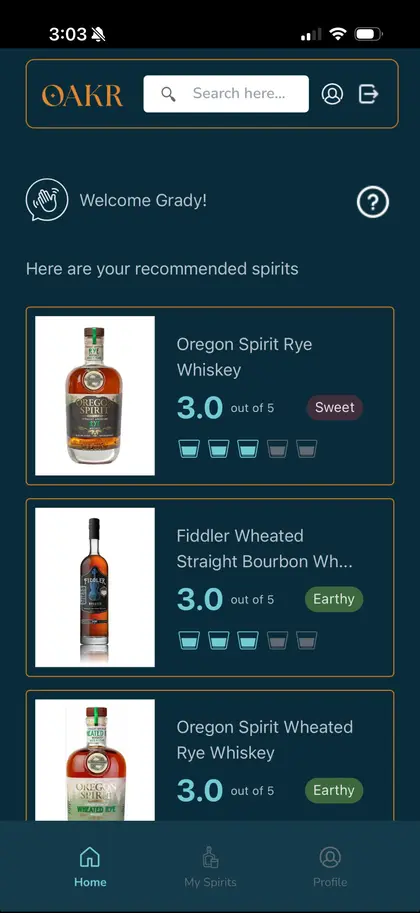
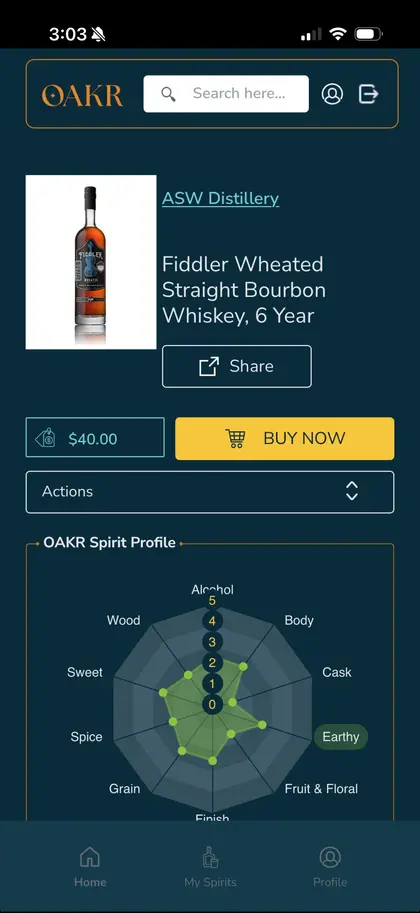
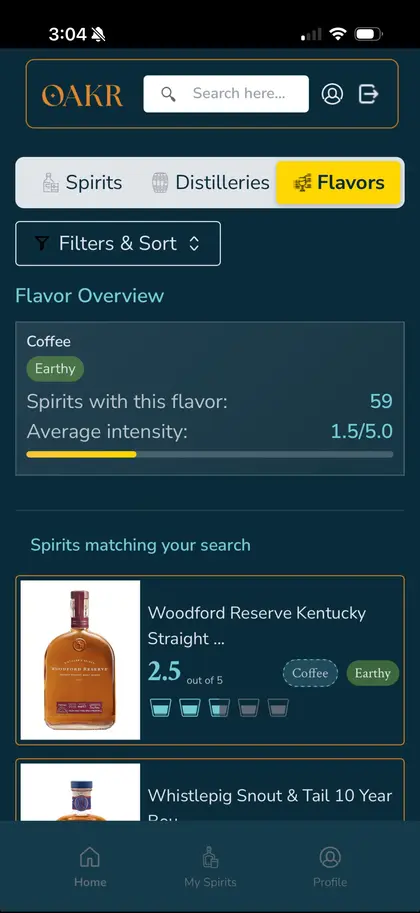
You can’t taste a bottle before you buy it, but OAKR does the next best thing. It aggregates tasting notes from blind-tasting panelists, giving you a crowd-sourced flavor profile before you even pop the cork.
Instead of guessing, you can use OAKR to see if that cask-strength bottle is a fruit-forward delight or a spice-heavy monster. The app helps you explore deep flavor profiles and even offers personalized recommendations based on what you already love. Stop showing up to the store unprepared. Use the legal definitions to narrow your search and let OAKR guide you the rest of the way to a bottle you’re guaranteed to enjoy.