
Short answer, yes, and in the most aristocratic way possible. Orphan Barrel is Diageo's project for bottling genuinely old whiskey, wrapped in a charming story about rediscovering long-lost barrels that, frankly, were never actually lost. The real intrigue is which distilleries made the juice, because with Orphan Barrel the answer changes from release to release, spanning historic Kentucky stock, Tennessee, and Indiana. Pour one and let me walk you through who really made it and whether the age is worth chasing.
Orphan Barrel is a Diageo project, launched in 2014, built on one of the better marketing hooks in whiskey: the idea that the company kept stumbling onto forgotten barrels of old bourbon tucked away in its warehouses, then bottled these lonely orphans under whimsical names like Barterhouse, Old Blowhard, Rhetoric, and Lost Prophet. It is a charming story. It is also mostly fiction.
Here is the part Diageo did not put on the label. Barrels do not get lost, because the government taxes every one of them every year, so the company knew exactly where this whiskey was the whole time. The real story is more interesting than the fairy tale: Orphan Barrel is how Diageo bottles genuinely old whiskey from its own aged inventory, plus stock it buys, and dresses it up with cute names. So the honest question is not whether the barrels were orphans. It is which distilleries actually made the whiskey.
Orphan Barrel is sourced whiskey, which makes it a non-distiller producer brand, just an unusually blue-blooded one. The catch is that the source genuinely changes from release to release, so there is no single answer. The whiskey lives within the Diageo and Stitzel-Weller aged-stock system, and much of the celebrated early bourbon was actually distilled in the early 1990s at the Bernheim distillery in Louisville, which Diageo later sold to Heaven Hill, then aged in the steel-clad warehouses at the legendary Stitzel-Weller campus. A few releases came from elsewhere: Lost Prophet from the old George T. Stagg distillery, Whoop & Holler from George Dickel.
Once that historic stock ran low after about 2018, the line shifted toward whiskey from Cascade Hollow, the George Dickel distillery, which is also where Orphan Barrel is bottled, and from MGP in Indiana. The chart below shows that system. Just remember the golden rule with this brand: always check which specific release you are holding.
Source Split
Orphan Barrel’s source varies by release. This shows the distilleries behind the line, with each badge showing how confident the sourcing is. Slices are even because the mix differs bottle to bottle. Tap a slice to read the full guide.
For most of the lineup, Orphan Barrel’s job is curation and patience, not production. Diageo identifies pockets of very old whiskey, decides when it has peaked, and bottles it, usually at a real age statement, which is rarer and more honest than a lot of the category. The early releases were properly old, 20 to 26 years in some cases, and that age was the whole point.
The downside, and you wanted the straight talk, is consistency. Bourbon that sits 20-plus years can get tired and over-oaked, and the famous Rhetoric Experiment that walked the same whiskey up through the ages mostly proved that older is not always better. The newer Dickel and limited releases are perfectly fine but nowhere near as special as the original deep-aged Bernheim stock. The value-add, then, is access to genuinely old whiskey, with the caveat that age alone does not guarantee greatness.
Orphan Barrel does not really have a core lineup; it is a rolling series of one-off bottlings, so the question is less where to start and more which release to chase.
The originals, Barterhouse, Rhetoric, and Forged Oak, were the high-age Bernheim-distilled bourbons that made the brand’s name, and they are the ones worth tracking on a back bar or in a collection. Lost Prophet, the Stagg-distilled release, is a unicorn for history nerds. Among newer bottles, releases like the Fanged Pursuit 17 Year carry the older-age torch. Prices have climbed over the years, but compared with other 17-to-25-year bourbons, Orphan Barrel often remains a relative bargain for the age.
The trophies are the early high-age releases on the secondary market, since that genuinely old Diageo stock is finite and gone from production. Lost Prophet is the collector’s white whale for its George T. Stagg pedigree. For something you can still buy, the higher-age current releases are the move, because the entire reason this brand exists is access to old whiskey at prices that, for the age, still undercut most rivals. Skip the line if you only want a bold everyday pour; chase it when you specifically want age.
I could give you tasting notes, but I will not, because the notes you read online are one person’s palate on one night, and with Orphan Barrel that is doubly unreliable since every release is a different whiskey from a different distillery and era. A glowing review of Barterhouse tells you nothing about a recent Dickel-sourced bottle.
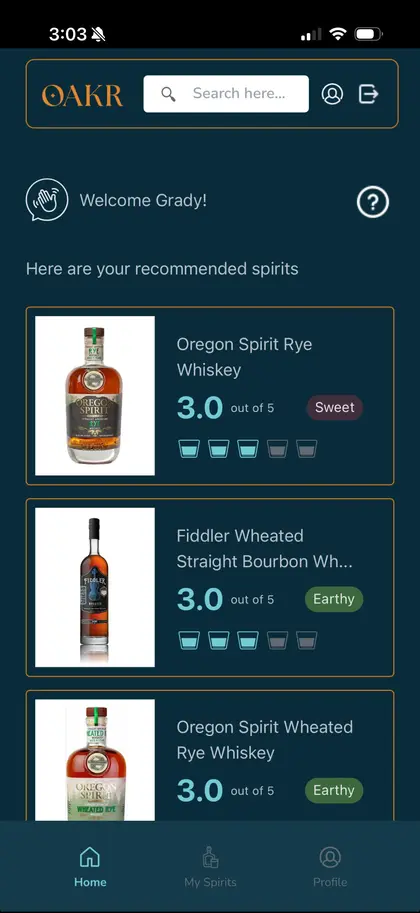
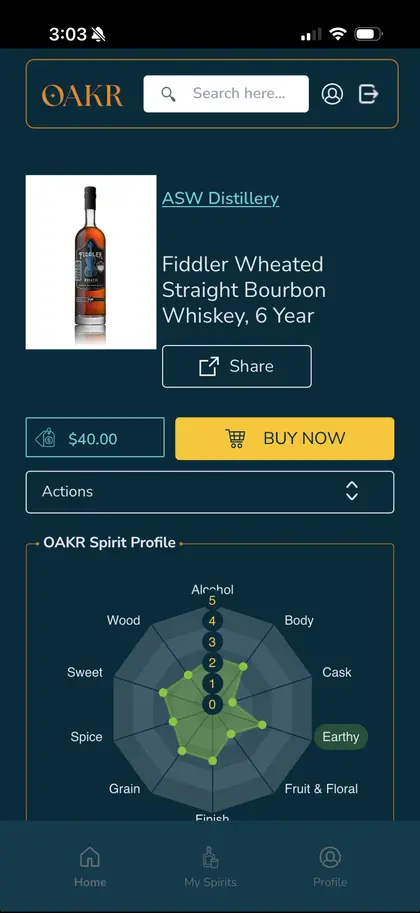
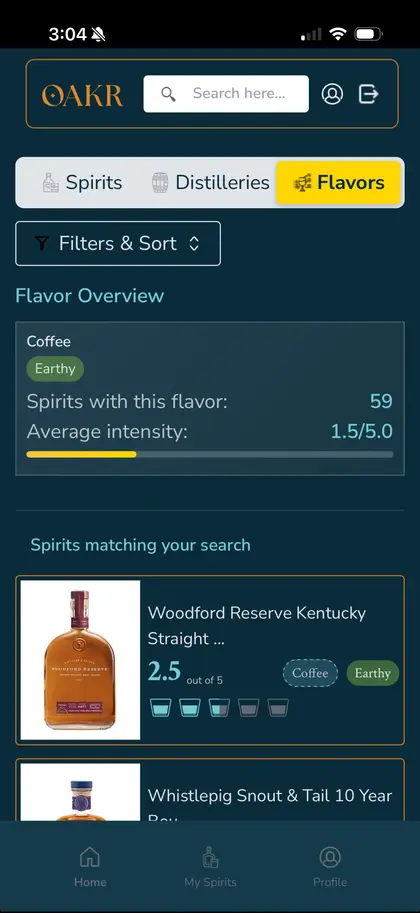
You might ask, “Grady, how do you know that?” Welp, one, I have been doing this a long time, and two, we built OAKR for exactly this kind of moving target. Every bottle gets poured past a blind tasting panel and scored across more than a hundred flavor notes in ten big categories, no labels, no cute orphan story in the room. Then the app reads your palate, the flavors you actually chase, and hands you a Spirit Match score for any bottle. So before you drop real money on a high-age Orphan Barrel release, you find out whether that very mature, often low-rye and oaky profile is actually yours. That is the difference between buying the age statement and buying something you will enjoy.
Is Orphan Barrel sourced?
Yes. Orphan Barrel is a Diageo brand that bottles aged whiskey from its own inventory and other distilleries rather than distilling its own. The specific source varies by release.
Who makes Orphan Barrel?
It is a Diageo project. Much of the older stock was distilled at the Bernheim distillery (now Heaven Hill) and aged at Stitzel-Weller; newer releases come from Cascade Hollow (George Dickel) and MGP. Bottling happens at Cascade Hollow.
Were the barrels really lost or forgotten?
No. That was marketing. Barrels are taxed annually, so Diageo always knew where they were. The whiskey is real and often genuinely old, but the rediscovery story is a story.
Is Orphan Barrel worth the money?
For genuinely old bourbon, it has often been a relative value versus similarly aged rivals. The early Bernheim releases were the best; newer ones are decent but less special. Worth depends on whether you specifically want age.
What is the best Orphan Barrel to start with?
A current higher-age release like Fanged Pursuit, or one of the original Barterhouse or Rhetoric bottles if you can find them. Run any release through OAKR first to see how it matches your taste.
Orphan Barrel wraps genuinely old Diageo whiskey in tall tales, and once you see past the story, it is one of the more interesting aged-stock brands around, source depending on the bottle. The only question left is whether a given release fits your taste, and that is exactly what OAKR was built to answer. Match your palate against Orphan Barrel on OAKR before you spend a dime.
[Download OAKR free on iOS, Android, or web →]

Bourbon enthusiast, spirits industry analyst, and the voice behind OAKR's distillery guides, brand reviews, and bourbon education content. Visiting distilleries, dissecting mashbills, and translating the craft into data since 2024.
Every Orphan Barrel release is a different whiskey. OAKR’s blind-panel flavor data shows you whether a given bottle fits your taste.