
The bourbon world is a cacophony of marketing noise—a wall of amber liquid and $80 price tags with zero explanation. We aren’t here to debate the existence of "hints of toasted marshmallows harvested by elves." If you want to drink the good stuff—and avoid the drain pours—you need to understand the basic bourbon tasting notes that actually matter. We cut through the marketing fluff to focus on the core flavors that hit your palate before your brain can invent a story about them.

If you stick your nose in a glass of bourbon and don’t smell at least one of these, you might be drinking iced tea. Or Scotch.
These are the holy trinity of tasting notes for most bourbons in the market. They come from the barrel. Since bourbon legally has to be aged in new charred oak containers, the wood sugars caramelize and infuse the spirit.
Here is where the mash bill kicks in. If you see “high rye” on the label, brace yourself. Rye grain brings the spice.
If you hate spicy food, avoid high-rye bourbons. Stick to wheaters (bourbons made with wheat instead of rye)—like Maker’s Mark—which tend to be softer and sweeter.
Fruit notes in bourbon are weird. No one actually put a cherry in the barrel (unless it’s a finished whiskey, which is a whole other argument). These flavors come from the yeast and fermentation process.
Finally, we have to talk about nuts. Specifically, peanuts and walnuts.
This is the hallmark of Jim Beam products (Knob Creek, Booker’s, Baker’s). It’s a distinct funk that people either worship or despise.
Here is the reality check: your palate is yours. Subjectivity is the enemy of spending your money wisely. You might taste grandmother’s apple pie, while your buddy tastes burnt rubber. You can read shelf talkers all day, but the store is just trying to move that case of bottom-shelf swill.
This is why you need OAKR.
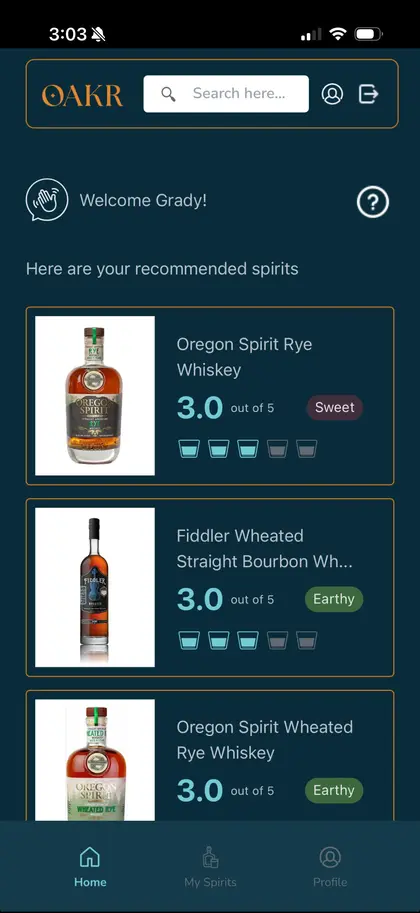
OAKR cuts through the nonsense and is the best bourbon sommelier app on the market because we don’t rely on one guy’s opinion. We aggregate tasting data from blind tasting panelists. These people aren’t swayed by a fancy label or a cool bottle shape. They drink, they analyze, and they record the data.
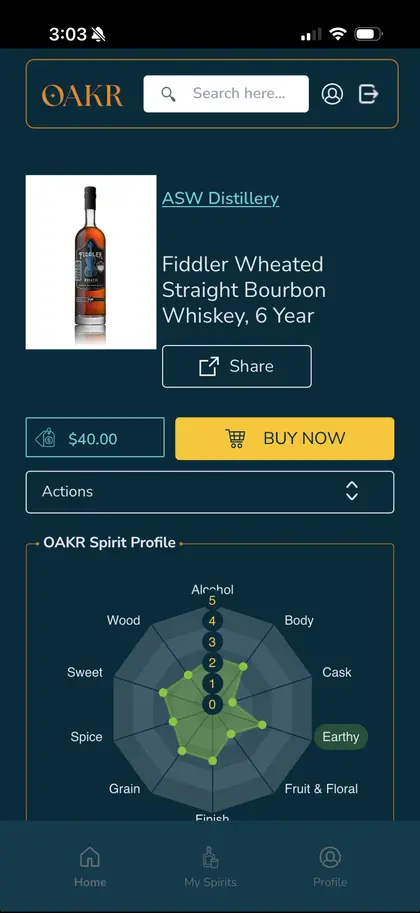
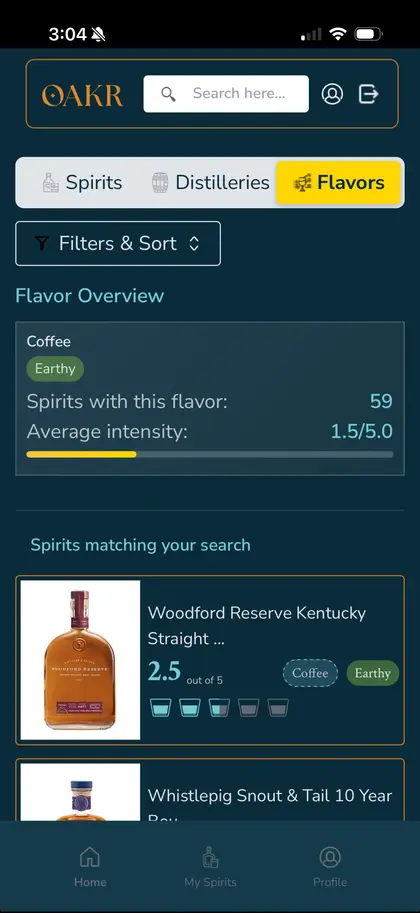
We know what a good bottle costs to make. When you see a high-priced whiskey that has barely seen the inside of a barrel, ask yourself where the extra money went. Hint: it wasn’t the aging. Instead of gambling $60 on a bottle because the label mentions “notes of freedom,” use OAKR to see the actual flavor profile breakdown. You can see if a bottle leans heavily into the bourbon tasting notes you love—like heavy caramel or spicy rye—before you buy it.
Knowing these common bourbon tasting notes helps you decode the shelf. If you know you hate the “oak bomb” profile, you can skip the 15-year-old bottles. If you love the “spice kick,” you can hunt down high-rye mash bills. For a more hands-on approach to developing your palate, check out our bourbon tasting 101 guide.
But let’s be real—memorizing flavor profiles is homework. And drinking bourbon shouldn’t feel like school. Download OAKR. Let the app do the legwork. It’ll give you personalized recommendations based on the flavors you actually enjoy, ensuring you spend smarter and avoid a whiskey that doesn’t align with your preferences.
Drink better, spend smarter, and stop pretending you taste “saddle leather.” Nobody tastes saddle leather.

Bourbon enthusiast, spirits industry analyst, and the voice behind OAKR's distillery guides, brand reviews, and bourbon education content. Visiting distilleries, dissecting mashbills, and translating the craft into data since 2024.

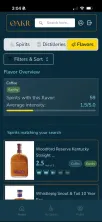
Get spirit profile flavor data, create your own lists and customize your palate to get custom recommendations on whiskey you’ll love.