What the Hell is Floral Bourbon?
When we say floral bourbon, we aren’t talking about gin. Relax. Nobody is dumping lavender oil into your barrel-proof treasure.
Floral notes in bourbon usually stem from a high-rye mash bill. Rye is the spicy, feisty grain that often throws off herbal, grassy, and yes, floral characteristics. Yeasts play a critical role, too. Some yeast strains are inherently flowery—Four Roses famously uses five distinct yeasts across ten recipes, and their floral strains produce some of the most perfume-like bourbons on the market. When fermentation gets going, esters form—these little chemical compounds are responsible for fruit and floral aromas.
So, if you pick up notes of honeysuckle, rose petals, violet, or jasmine on the nose, you aren’t crazy. You’re just drinking a bourbon that decided to take a walk through a botanical garden instead of a lumberyard.
The Pros: Why You Should Care
Believe it or not, floral notes are a sign of sophistication. Here is why you might actually want this:
- Complexity: A one-note bourbon is boring. If all you taste is brown sugar, your palate is going to fall asleep. Floral notes add a high-pitched layer that sits atop the deep bass notes of oak and caramel. That’s complexity, folks. The Four Roses Small Batch Select is a textbook example—bright floral character woven through a rich, layered bourbon.
- Summer Sipping: When it’s 95 degrees out, drinking a heavy, syrupy bourbon feels like wearing a wool sweater in a sauna. A lighter, floral bourbon can be surprisingly refreshing. Basil Hayden is the go-to here—light-bodied, herbal, and made for warm-weather sipping.
- The “Aha” Moment: Finding a floral note makes you look like a genius at a tasting. “Do I detect a hint of elderflower?” Say that, and suddenly you’re the smartest guy in the room (it’s a fine line).
The Cons: Why You Might Hate It
Let’s be real. It’s not all sunshine and daisies.
- Soapiness: If the floral notes get too intense, or if the cut wasn’t right during distillation, it can taste like soap. Nobody wants to drink a liquid Dove bar.
- Lack of Punch: If you chase barrel-proof monsters, floral bourbons can feel weak. They are often lighter in body and less aggressive. If you measure quality by how much your chest burns, this isn’t for you.
- It’s Weird: Let’s just say it. Sometimes you just want bourbon to taste like bourbon, not a scented candle.
How to Find the Right Bottle (Without Guessing)
Here is the problem. You are standing in the aisle at Total Wine, facing a sea of expensive unknowns. The bottle label is useless; it’s a history lesson, not a tasting note. Forget the folksy, ‘great-great-grandpappy’ heritage pitch. Modern distilleries are proving what’s in the bottle matters more than the font on the label. How do you know if that $80 bottle is a floral bourbon masterpiece or just overpriced perfume?
Everyone has a unique tasting experience. Your palate is special and totally different from your buddy’s. You might pick up lilac; he might find a strange herbaceous note. If you don’t like the flavor profile of a truly unique expression, that’s fine. It’s a risk a quality distiller is willing to take to deliver an honest product. That’s the beauty—and frustration—of spirits. Learn more about how we organize these experiences in our breakdown of OAKR’s flavor categories.
This is where you stop guessing and start using data.
Enter OAKR, the best bourbon sommelier app on the market today. While others are busy arguing about mash bills on forums, we are doing the actual work. The app aggregates tasting data from blind tasting panelists. We’re talking about people who taste whiskey without seeing the label, so they aren’t influenced by the hype or the price tag.
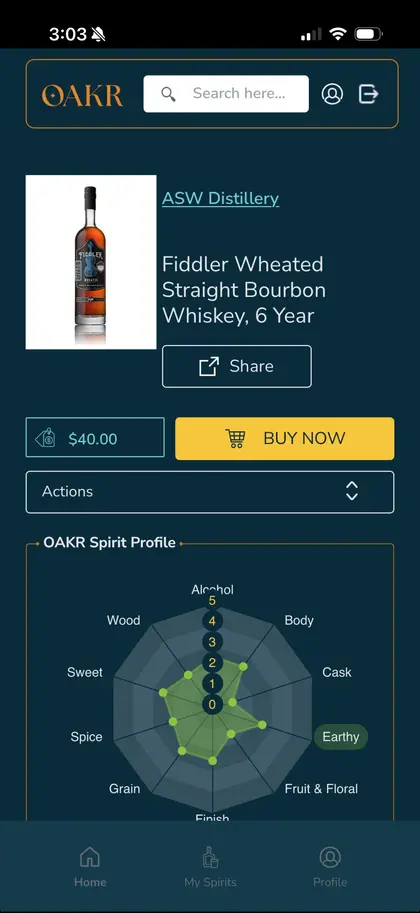
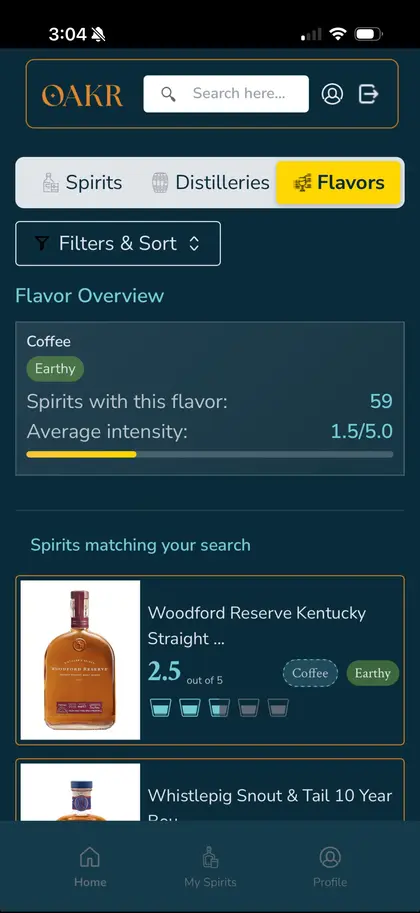
OAKR breaks down flavor profiles with actual data. If a bottle leans heavily into floral notes, the app will show you that before you drop your cash. We take the guesswork out of the hunt.
Stop Buying Blind
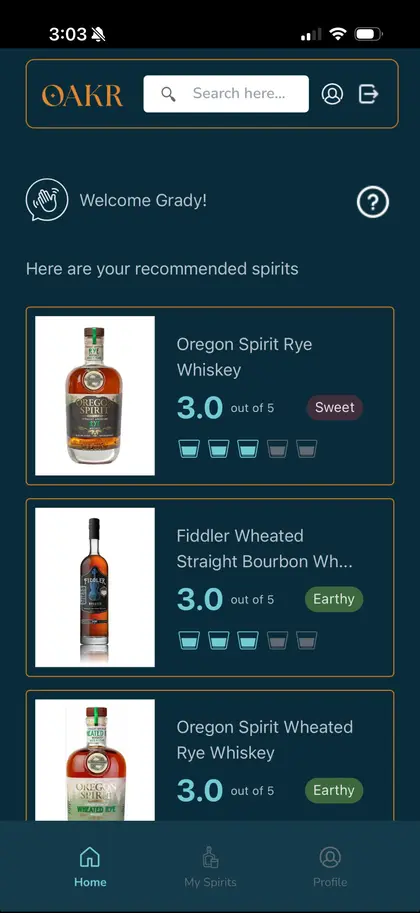
Instead of relying on shelf talkers written by a sales rep, check OAKR. The app gives you personalized recommendations based on what you like. If you hate floral notes, it steers you clear. If you want to experiment with a floral bourbon that actually tastes good, it points you to the winners.
Don’t be the guy who buys a bottle because the label looked cool. Download OAKR, discover in-depth flavor profiles, and start drinking better.