What Even is a “Fruity Bourbon”?
A fruity bourbon isn’t flavored. If you see “peach flavor added” on the label, put it back on the shelf and walk away slowly. We are talking about esters—chemical compounds created during fermentation when yeast eats sugar. Depending on the yeast strain and the mash bill, you get flavors ranging from green apple (hello, acetaldehyde) to dark berries and tropical funk.
For the enthusiast, this is the frontier. It’s where predictable corn whiskey notes go to die, replaced by a complexity that will make you look like a genius at your next tasting.
The Pros: Why You Want This
The biggest pro of hunting down a fruity bourbon is complexity. These bottles are usually the ones that win blind tastings because they stand out. When you’ve tasted fifteen variations of “sweet oak,” a glass that hits you with apricot jam or black cherry is a revelation.
- Versatility: They hold up incredibly well in cocktails. A fruity profile cuts through vermouth in a Manhattan better than a heavy oak bomb.
- The “Wow” Factor: Pouring a high-proof bourbon that smells like bruised apples and caramel is a great party trick. It confuses people in the best way.
- Summer Sipping: Let’s face it, drinking a 130-proof hazmat bottle that tastes like tobacco isn’t exactly refreshing in July. Fruity notes make high-proof sipping feel lighter.
The Cons: It’s Not All Peaches and Cream
There is a dark side. Sometimes “fruity” goes wrong.
- The Robitussin Effect: Some cherry notes can veer sharply into medicinal territory. If you didn’t enjoy being sick as a child, steer clear.
- Too Much Youth: Green apple or pear notes are occasionally a coded way of saying “we didn’t age this long enough.” The line between a crisp fruit note and raw, grainy moonshine is razor thin.
- Palate Confusion: If you are a traditionalist who thinks bourbon should only taste like wood and sugar, a strong strawberry note might make you angry.
Navigating the Shelf: Who is This For?
This bottle wasn’t designed to be a piece of furniture. If you’re paying secondary market prices just to stare at a dusty label, this post probably isn’t for you. We’re here for the people who actually open the cork. It is for the adventurous palate. It is for the person who realizes that Four Roses yeast strains are actually distinct and not just marketing fluff. Their Single Barrel OESK recipe is one of the best examples of a fruit-forward bourbon you can find—rich stone fruit and bright berry notes that come straight from the yeast, not a flavoring packet. Even the classic Four Roses Yellow Label delivers subtle fruity character at an everyday price.
Don’t Trust Your Own Tongue (Trust Data)
Here is the problem: tasting is subjective. You might taste ripe banana, and your buddy might taste nail polish remover. That’s just how human biology works. It’s annoying, right? We’ve distilled away the stress of the hunt. Just grab this bottle, go home, and relax. For a primer on the most common tasting notes you’ll encounter, we break them all down.
This is where OAKR comes in.
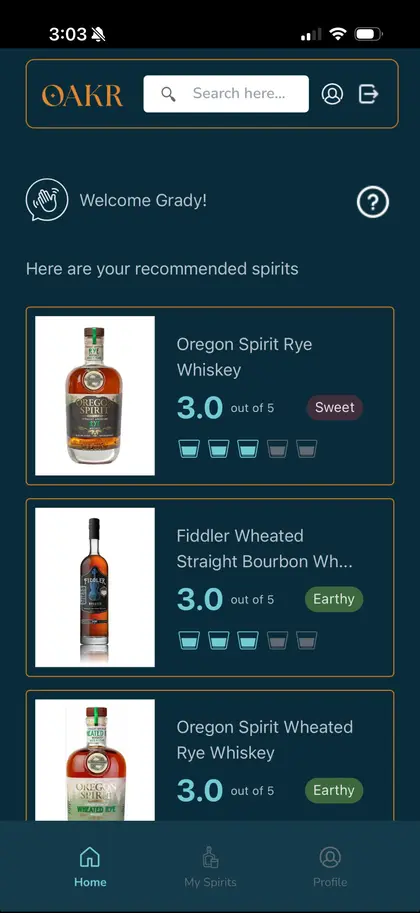
Look, we all like to think we have “golden palates,” but we don’t. We have biases. OAKR cuts through the noise. It’s the best bourbon sommelier app on the market because it doesn’t rely on one guy’s opinion. It aggregates tasting data from blind tasting panelists.
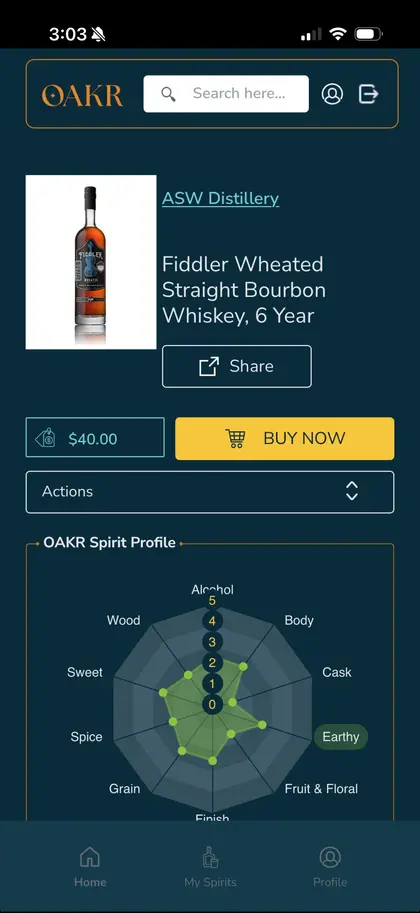
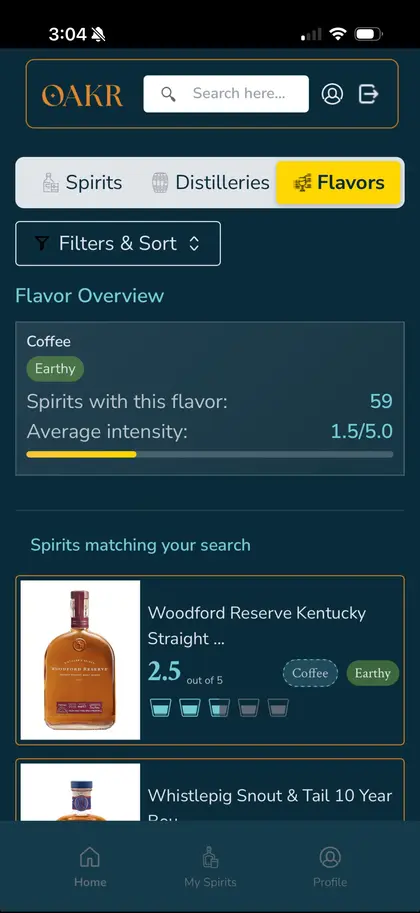
OAKR does the heavy lifting. Instead of guessing if that $60 bottle is a fruity bourbon or a woody mess, you can check the flavor visualization in the app. It breaks down the nuances so you can see exactly where a bottle lands on the flavor spectrum before you buy it. We categorize these flavors using our own system—learn more about OAKR’s flavor labels and how they map to what you taste.
The Verdict
Stop being boring. Expand your horizons beyond the vanilla-bomb basics. A great fruity bourbon offers a depth of character that other profiles just can’t match. It’s complex, it’s interesting, and it’s usually delicious.
Just make sure you aren’t flying blind. Use OAKR to find the specific fruit notes you actually like—whether that’s dark stone fruit or bright citrus—and get personalized recommendations that save you from buying drain-pour whiskey.