
Stop treating your bourbon hobby like a graduate thesis. This post is your permission to skip the rest of the research and just pour a glass. But first, let’s talk about Finger Lakes Distilling. Yes, that Finger Lakes. Yes, in New York. Before you click away to check on your dusty Kentucky favorites, there’s something different happening up here that warrants your attention. You know the difference between wheated and high-rye. You don't need a history lesson. This is simply where we agree to set the fluff aside and focus on what a modern distillery is doing right, right now. It all comes down to wood. A massive chunk of whiskey's final profile is decided by the barrel and how it’s aged. And this is where Finger Lakes makes a real case for itself.
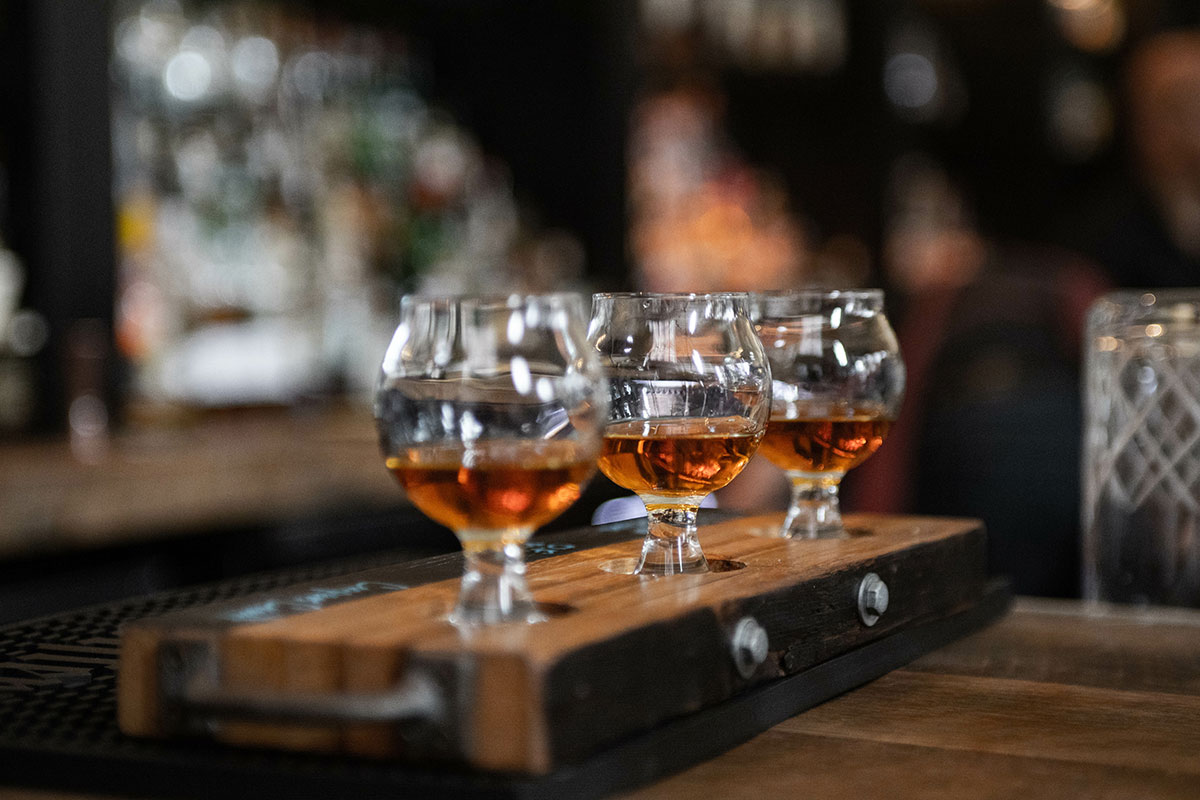
Let’s be clear: if a distillery doesn’t control production “from grain to glass,” they’re bottling someone else’s homework. Finger Lakes Distilling, to their credit, isn’t. They’re obsessive about the entire process, especially their wood management.
For their bourbon, they start with the industry standard: new, 53-gallon American oak. Revolutionary, I know. But the detail that matters is the heavy char they opt for. Charring is basically fire-toasting the inside of the barrel until it’s black. This caramelizes the wood sugars and creates a charcoal filter that mellows the new-make spirit’s harshness.
The Pro: A heavy char is a shortcut to bold flavor. It quickly extracts the classic vanilla, caramel, and toffee that bourbon drinkers demand. It builds a deep color and robust foundation faster than a lighter char would.
The Con: A heavy char can be a bully. If mismanaged, it overpowers the subtle grain and yeast notes, resulting in a one-note whiskey that’s all smoke and oak. It’s the tightrope walk between “rich and complex” and “tastes like a campfire.”
This is where Finger Lakes gets interesting. Their straight bourbon follows the new-oak script, but their McKenzie Straight Rye takes an off-ramp. After its initial rest in new charred oak, it’s finished in local sherry barrels.
This isn’t a gimmick; it’s logistics. The Finger Lakes region is wine country. Finishing with a neighbor’s sherry casks is a smart, authentic regional signature. It adds layers of dark fruit and nougat, creating a roundness that balances the rye’s inherent spiciness. They’re simply borrowing a cup of sugar from the winery next door.
Now for the real wildcard: the weather. Kentucky gets the glory for its hot summers and mild winters, a cycle that makes barrels “breathe”, pushing whiskey into the wood and pulling it back out. This constant interaction is critical for maturation.
Finger Lakes, New York, is not Kentucky. It has four distinct, often dramatic, seasons. The summers are hot and humid, but the winters are legitimately cold. This dynamic is different. The temperature swings are significant, but the prolonged cold periods slow the spirit-to-wood interaction down to a crawl.
The Pro: This slower, more deliberate aging often yields a more elegant and nuanced whiskey. Instead of being slammed with relentless heat-driven oak and char, the spirit takes its time to develop complex esters, the compounds that create fruity and floral notes. The result is balance: the grain, the yeast, and the barrel all have a voice.
The Con: Patience is expensive. Slower aging ties up inventory for longer. For the drinker, it means you won’t get the same deep, oaky punch from a 4-year-old Finger Lakes bourbon that you’d expect from its southern cousin. The trade-off is simple: explosive flavor now versus integrated complexity later.
The Finger Lakes Distilling approach creates a distinct profile. Their bourbons balance the sweet caramel and vanilla from the heavy char with a refined character shaped by a more temperate climate. It’s bourbon with a New York accent.
The pros are clear: it’s a thoughtfully made spirit with a genuine sense of place. The sherry-finished rye is a perfect example of integrating local character. The potential downside is simple: if you’re looking for a bottle that screams “BIG KENTUCKY OAK,” this will feel restrained.
But here’s the most frustrating and wonderful thing about bourbon: your palate is yours alone. We write the same way we analyze flavor data: clean, concise, and focused on the facts. The label should be a tool, not a poem.
This is where you stop listening to sarcastic experts on the internet and get some real data. Instead of guessing, you can use an app like OAKR. It’s essentially a bourbon sommelier in your pocket. We aggregate tasting data from blind-tasting panelists to build objective, detailed flavor profiles for thousands of spirits. You can see the dominant flavors before you even spend a dime.
Stop staring at the shelf in confusion. Download OAKR to explore the real flavor profile of Finger Lakes Distilling’s spirits and get personalized recommendations based on what you actually like. Let the app do the legwork so you can do the drinking.
Login to OAKR for spirit profile flavor data, create your own lists and customize your palate to get custom somm recommendations on whiskey you’ll love.