Why “Smooth” is a Trap
Beginners always ask for something “smooth.” In whiskey terms, “smooth” usually translates to “tastes like nothing” or “low proof.” If you want nothing, grab a vodka. If you want bourbon, you’re signing up for flavor. Their product is designed for a single purpose: to taste great. We will now detail how they optimized the variables to achieve that.
The best beginner bourbon isn’t the one with the least burn; it’s the one with the most approachable flavor profile that doesn’t require a PhD in chemistry to appreciate. We’re looking for balance: sweetness from the corn, a little spice from the rye, and the classic vanilla/caramel notes from the charred oak.
Here are four bottles that won’t require a second mortgage or an iron palate.
This is the standard answer for a reason. It’s the Honda Civic of bourbon: reliable, affordable (if you can find it at MSRP), and gets the job done without complaining.
Pros:
- It actually tastes like bourbon. Vanilla, caramel, molasses. All the classics.
- The proof (90) is manageable. It won’t melt your face off.
- It’s cheap enough that you won’t cry if you decide to mix it with Coke.
Cons:
- Finding it on a shelf is becoming a competitive sport (we wrote a whole deep dive on Buffalo Trace) in some states. People hoard this stuff like it’s toilet paper in 2020.
- It’s not complex. Don’t expect to have a spiritual awakening while drinking it.
2. Maker’s Mark 46
Regular Maker’s Mark is fine, but Maker’s 46 is the cooler older brother who studied abroad. It’s a wheated bourbon, meaning they use wheat instead of rye as the secondary grain, making it sweeter and softer.
Pros:
- The French Oak staves added during aging give it a nice spice kick without being harsh.
- Widely available. You can find this at a gas station in Nebraska.
- Very creamy texture.
Cons:
- The bottle shape is annoying to pour from. You will spill a drop. Every time.
- It’s a bit pricier than the entry-level stuff.
If you want to know what a good charred oak tastes like, start here. This is for the beginner who wants to jump into the deep end but still wear floaties.
Pros:
- Classic profile. If you look up “bourbon” in the dictionary, this is the flavor.
- Age statement or not, it’s consistently good.
- Great proof point (94) to start experimenting with adding a drop of water.
Cons:
- Can be a little dry on the finish. If you have a sweet tooth, this might feel a bit heavy on the wood notes.
“But 101 proof is too high for a beginner!” Silence, amateur. High proof means high flavor. Add an ice cube if you’re scared. This is the best bourbon for beginners who actually want to taste the whiskey in a cocktail.
Pros:
- Flavor bomb. Spicy, bold, unapologetic.
- Dirt cheap for the quality.
- Gain immediate street cred with old men at bars.
Cons:
- The “kick” is real. It’s high proof, and you will feel it. It’s not ‘smooth’ because it’s not supposed to be. It’s meant to have a character that demands your attention.
- The branding isn’t fancy. No wax dips or velvet bags here.
Stop Guessing, Start Scanning
Here is the reality: your palate is weird. My palate is weird. We all taste things differently. I might taste cherry cordial in a glass where you taste cough syrup. That subjective nonsense makes buying bottles risky. You don’t want to drop $60 on a recommendation just to hate it.
This is where you stop listening to random bloggers (even charming ones like me) and start using data.
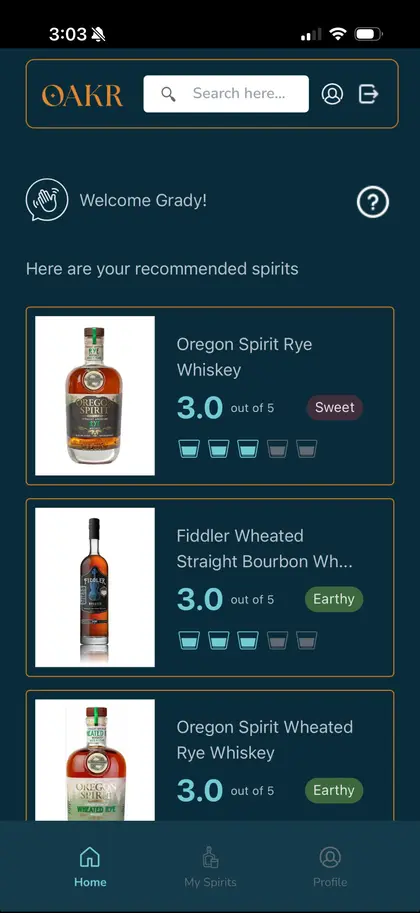
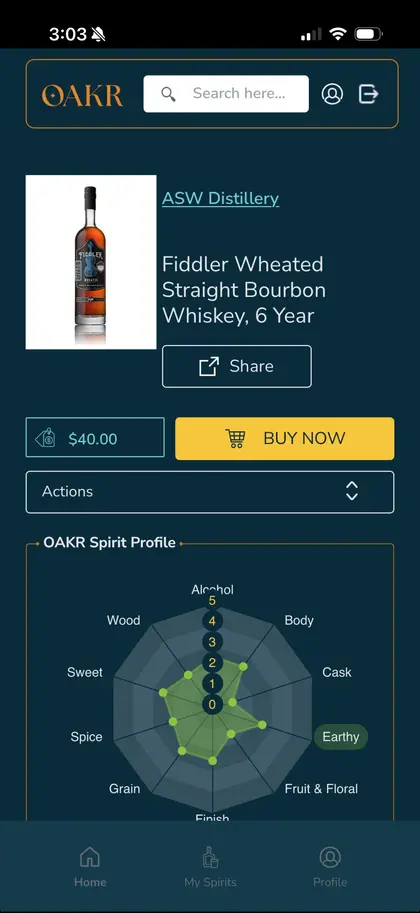
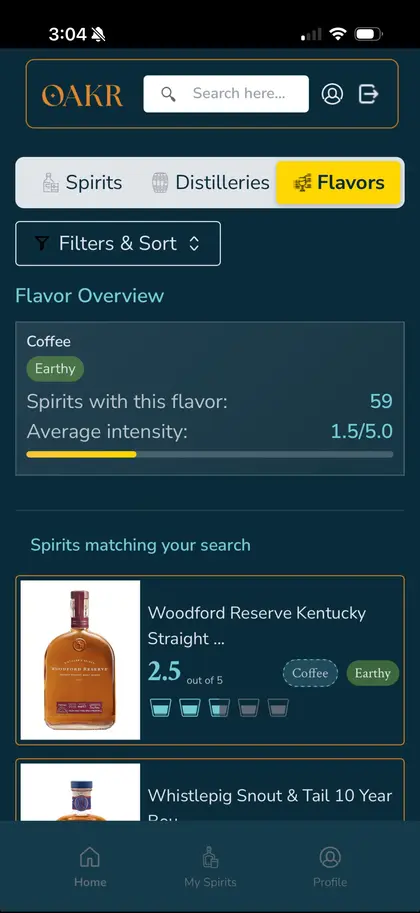
OAKR is the cheat code. It’s the best bourbon sommelier app out there because it doesn’t care about marketing hype. OAKR aggregates tasting data from blind tasting panelists—people who didn’t know what they were drinking—to build objective flavor profiles.
Instead of guessing if a bottle is “smooth,” you open the OAKR app, scan the label, and see exactly what flavors real people found in it. It does the leg work for you.
- You want Vanilla? OAKR points you to the right bottle.
- You hate heavy Oak? OAKR warns you before you buy.
Everyone has a unique tasting experience, but data helps you hedge your bets. The app gives you personalized recommendations based on what you like, not what the distillery’s marketing department wants you to like.
The Verdict
The best bourbon for beginners is the one you enjoy drinking. That sounds like a cop-out, but it’s true. Start with something lower proof, don’t be afraid to add ice, and for the love of all that is holy, download OAKR so you stop wasting money on bad whiskey.
Now, go pour yourself a drink. You’ve earned it just by reading this.